Shark kills woman swimming off popular beach in South Africa
Local media reported the woman was a regular swimmer and had been swimming with a group when the attack occurred.
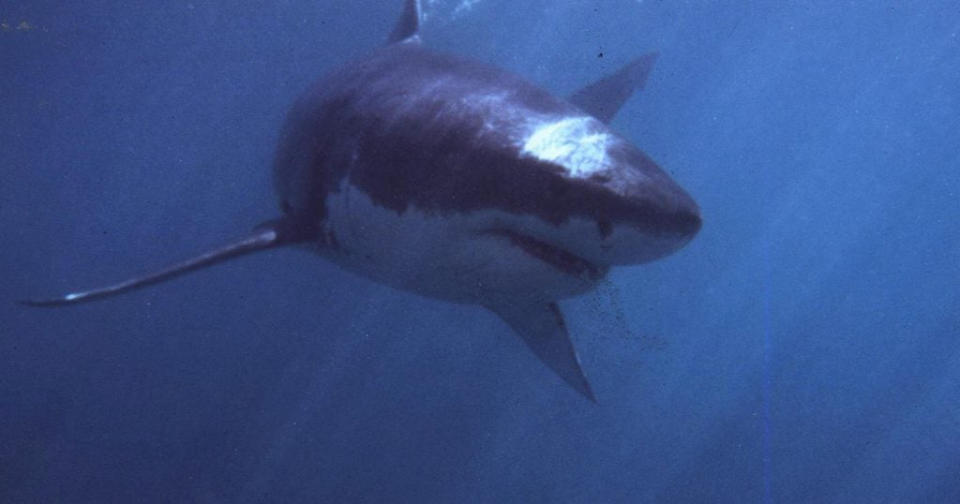
Key points
- A 65-year-old woman died after a shark attack at Orient Beach in KuGompo City, South Africa.
- Police found her body with open wounds after being called at about 7:00 am local time.
- The municipality closed nearby beaches and told the public to stay out of the water.
A 65-year-old woman died after being attacked by a shark while swimming at Orient Beach in KuGompo City, formerly East London, on South Africa's southeastern coast on Tuesday, according to witnesses and authorities.
Police said they were called to the scene at around 7:00 am local time and found the woman's body with "open wounds." The municipality closed nearby beaches after the attack and urged the public to stay out of the water.
What witnesses reported
Local media reported that the woman was a regular swimmer and was swimming with a group when the attack happened. A local community group said other swimmers saw a shark's tail and fin, and that the woman suffered "severe injuries to the right side of her arm and leg."
The city said in a statement that a shark attack at Orient Beach had been confirmed and had resulted in "a tragic incident."
It has been confirmed that a shark attack occurred at Orient Beach this morning, and this resulted in a tragic incident
— the city
Shark attack figures
The attack came about a month after a man was killed by a shark in front of beachgoers while swimming off a Western Australian city shore. According to the University of Florida's International Shark Attack File, there were 65 unprovoked shark bites worldwide in 2025, up from 47 the previous year, including nine fatalities.
South Africa recorded one unprovoked attack last year, which was fatal. The U.S. had 25 unprovoked attacks, one of them fatal, and Australia had 21, five of them fatal. Researchers say encounters can be influenced by factors including growing coastal populations, increased use of marine waters, environmental changes and shifts in the distribution of sharks and their prey.