SpaceX loses bid to toss NAACP lawsuit over Memphis data center air pollution
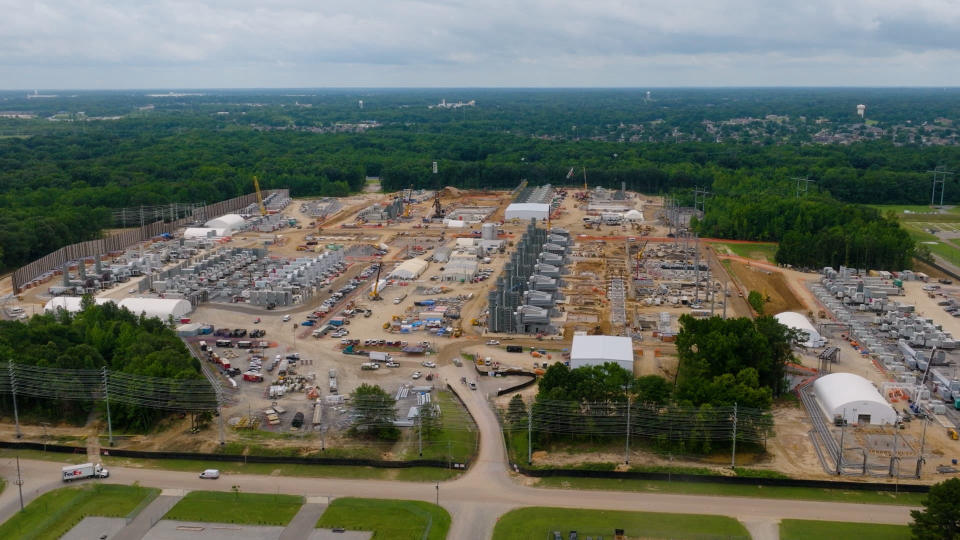
The Colossus data centers and a power plant that SpaceXAI is also building in Southaven, Mississippi, have faced community backlash for years.
Key points
- A federal judge refused to dismiss the NAACP's Clean Air Act lawsuit against SpaceX's AI division, SpaceXAI.
- The suit alleges 27 gas turbines were installed and operated in Southaven, Mississippi, without an air permit.
- The judge rejected SpaceXAI's arguments on turbine exemptions, the right to sue and constitutionality.
A federal judge has denied SpaceXAI's request to dismiss an NAACP lawsuit accusing the AI division of Elon Musk's SpaceX of violating the Clean Air Act, according to an opinion released late Friday. The case will proceed in the U.S. District Court for the Northern District of Mississippi.
The suit, filed by the Southern Environmental Law Center and Earthjustice on behalf of the NAACP in April 2026, concerns gas-fired combustion turbines powering large AI data centers in Greater Memphis. It also covers a power plant SpaceXAI is building in Southaven, Mississippi.
What the lawsuit alleges
The suit claims that between August and December 2025, xAI and its subsidiary MZX Tech installed and operated 27 gas turbines in Southaven without an air permit or regard for nearby residents' health and safety. SpaceXAI is owned and operated by SpaceX, which rebranded it as SpaceXAI or SpaceXSI.
According to the suit, the turbines emit smog-forming pollutants and particulate matter that can raise health risks and cause an unpleasant odor, among other impacts. The Colossus data centers and the Southaven power plant have drawn community backlash for years.
Because the plaintiffs have statutory standing under the Clean Air Act, because the combustion turbines are not 'mobile sources' under Mississippi's SIP, and because the citizen suit provision does not violate Article II of the Constitution or the private nondelegation doctrine, the plaintiffs' claims will proceed.
— the judge presiding over the case
Judge rejects company arguments
In a dismissal motion filed in June, SpaceXAI lawyers argued that the turbines were mobile and therefore exempt from permitting, that the NAACP had no right to sue under the Clean Air Act, and that such community group suits were unconstitutional. The judge rejected those arguments.
The judge wrote that the plaintiffs have statutory standing, that the turbines are not mobile sources under Mississippi's SIP, and that the citizen suit provision does not violate Article II or the private nondelegation doctrine. The ruling came about two weeks after the same court refused a Department of Justice request to end the case. SpaceX did not immediately respond to a request for comment.