Tensions with teachers, pupils and Turkiye: Inside Azerbaijan’s hijab row
Teachers fear losing their livelihoods and students risk being excluded as Baku's close ally appears critical.
Key points
- Azerbaijan's new school dress rules ban clothing that violates secularism, leading to protests and detentions.
- Teachers and pupils, including Gulshan Aliyeva, have been denied entry to schools for wearing the hijab.
- The row has strained ties with Turkiye after an Erdogan adviser called the move unacceptable.
Azerbaijan is facing protests and international tension over new public school rules that ban clothing violating the principle of secularism, a measure widely seen as targeting the hijab. The rules took effect last month and do not explicitly mention the headscarf.
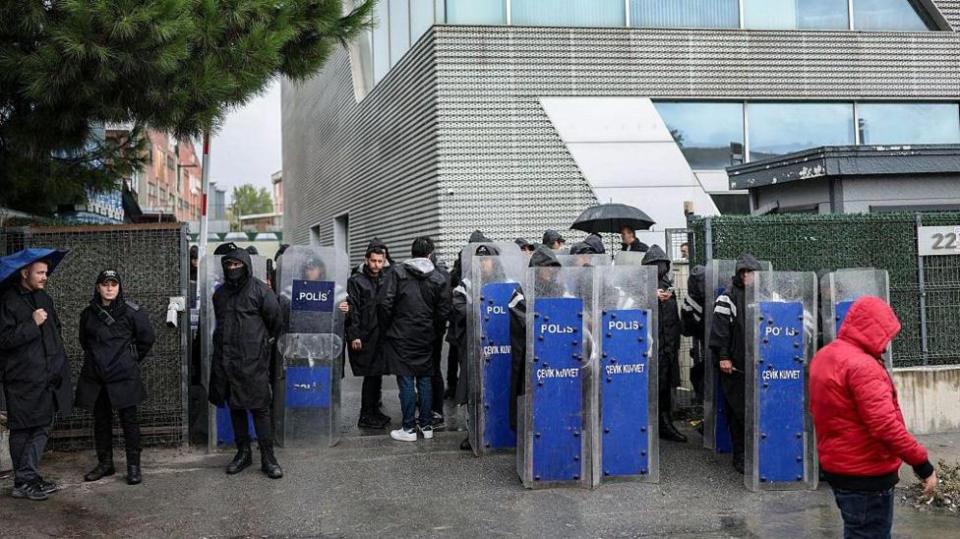
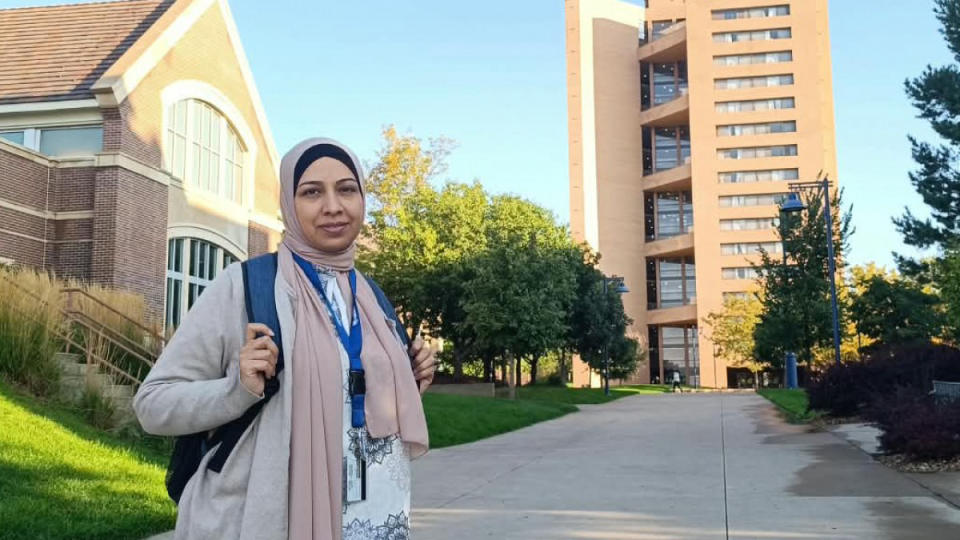
English teacher Gulshan Aliyeva, who has 23 years of experience, was denied entry to her school this week while wearing her headscarf, and her daughter was also blocked from her school in Baku. The Ministry of Internal Affairs said on Monday that 37 people had been detained for disrupting public order while breaking the new rules.
Teachers and pupils affected
Aliyeva said she wants to keep working without her religious beliefs becoming an obstacle, citing Article 16 of Azerbaijan's Labour Code on employment discrimination. She said she will take her case to the relevant authorities if necessary and intends to continue reporting to work.
The Baku City Education Department has announced that schools will be monitored to assess compliance. More than 90 percent of Azerbaijan's population is Muslim.
I want to fulfil my responsibilities, educate students and continue my career without my religious beliefs becoming an obstacle to my employment
— Gulshan Aliyeva
Religious and political reactions
Sheikh-ul-Islam Allahshukur Pashazade, chairman of the Caucasus Muslims Board, told local media on Tuesday that the hijab is a religious obligation. He said people cannot oppose state decisions but can express their views as citizens, while criticising protesters for disturbing schools and saying the issue was being used politically.
Oktay Saral, an adviser to Turkish President Recep Tayyip Erdogan, called the move unacceptable. The governing Yeni Azerbaijan Party responded on Tuesday that his irresponsible comments risked harming ties between the allies. Zahid Oruj, who chairs the National Assembly's human rights committee, said the measure is not religious discrimination, noting there is no ban on headscarves outside school.
Constitutional questions
Azerbaijan's constitution defines the country as secular and separates religion from state education, while also guaranteeing freedom of conscience. Azer Rashidoglu of the Tolerance Public Association said the new rules do not align with the constitution and urged affected people to seek legal redress through the courts.