The most important US midterm trends I’m seeing | Molly Jong-Fast
The one I worry about most is voter anger – which both parties are not taking seriously enough That chill in the air you are feeling is not the weather, it is the Republicans freaking out about the 2026 midterm elections. Midterms are always referendums on the incumbent, though the party in power usually would rather they weren’t. This midterm feels less like a referendum on Trumpism than a dirge. It’s easy to see…
Key points
- Republicans are worried about the 2026 midterms as Democrats hold about a nine-point advantage.
- Voter anger is the trend the author worries about most, with both parties not taking it seriously enough.
- Cost-of-living concerns differ by region, from heating oil in Maine to beef prices in Texas.
Republicans are anxious about the 2026 midterm elections, according to Molly Jong-Fast, who writes that midterms are usually referendums on the party in power. She says this cycle feels less like a referendum on Trumpism than a dirge, and that Democrats currently hold about a nine-point advantage.
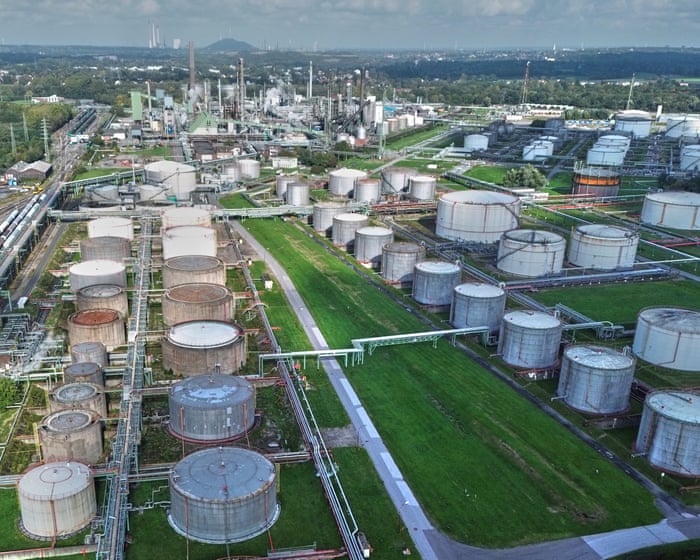
Jong-Fast writes that Trump tried to federalize elections and change mail-in voting rules, and that efforts to redraw maps for seats in states like Texas may not hold. She adds that diesel reached a record national average of $6.51 this week.
Regional cost pressures
Interviewing candidates for her podcast Fast Politics, Jong-Fast found the cost-of-living crisis looks different by place. In Maine, congressional candidate Matt Dunlap said voters worry about heating oil prices, since heating oil and diesel use a similar chemical compound and Maine gets cold in October.
In Texas, congressional candidate Bobby Pulido said voters in his 15th district worry about beef prices at about $7 per pound, while Texas cattle ranchers are unhappy about beef imports from South America.
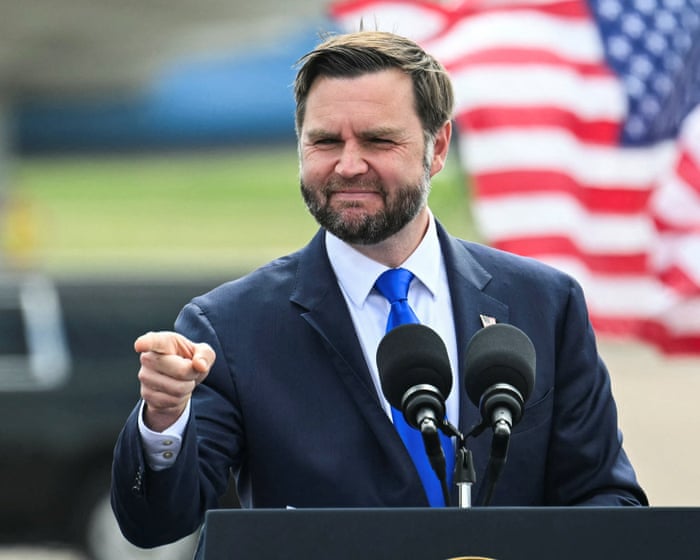
Whenever you hear me talk during this midterm campaign, I'll say Rome was not built in a day because we know there's a lot of work to do.
— JD Vance
Down versus up politics
Jong-Fast describes populist moderates running in purple districts who are backed by both the Blue Dogs and Bernie Sanders, including Bob Brooks in Pennsylvania, Rebecca Cooke in Wisconsin, Sam Forstag in Montana and Brian Poindexter in Ohio. She says many Democratic candidates describe an atmosphere of voter rage framed as down versus up rather than left versus right.
In Iowa, she writes that both major Democratic candidates are polling ahead, and that the state's cancer crisis, with the second highest cancer rate in the US, may matter more than inflation. In Kansas, she cites reporting that Senator Roger Marshall was booed at a state fair debate against Democrat Adam Hamilton, and that the Cook Political Report shifted the race from likely Republican to lean Republican.