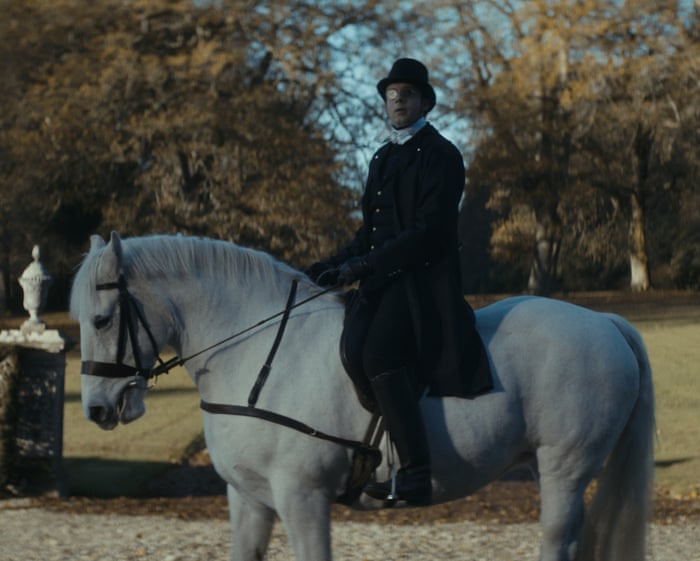
The Weight of Angels by John Boyne review – what if Oscar Wilde had lived?
The great Irish writer died, a broken man, at only 46. Imagining a second act for him is a great idea – but the results are sentimental and unconvincing In 1895, four days after the opening of The Importance of Being Earnest, the Marquess of Queensberry left a card at Oscar Wilde’s club that publicly accused him of “posing as a somdomite”. Instead of instigating the libel case that led to his imprisonment and early…
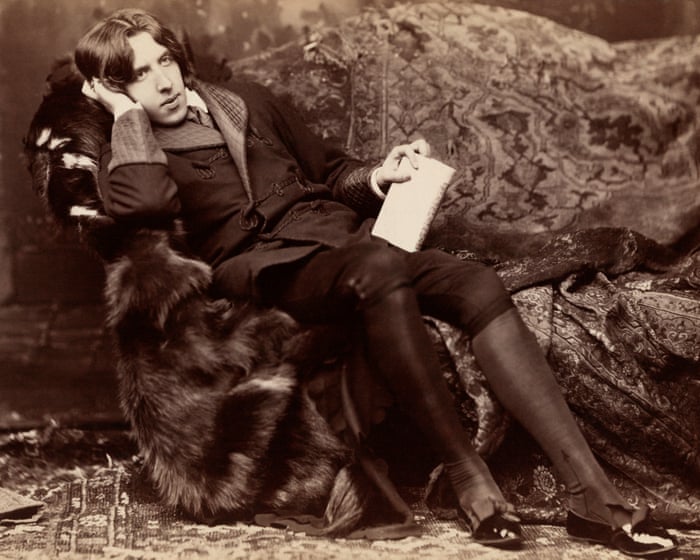
Key points
- John Boyne's new novel The Weight of Angels imagines Oscar Wilde surviving the 1895 libel case that led to his imprisonment and death in Paris five years later.
- The reviewer says the book's alternative Wilde lacks the troubled, radical mind of the real writer and never appears functioning as a writer.
- The review calls the novel's treatment of queer history contrived, with Wilde dying of happiness and going straight to heaven after the 1952 coronation.
John Boyne's novel The Weight of Angels asks what might have happened if Oscar Wilde had ignored the card the Marquess of Queensberry left at his club in 1895, four days after The Importance of Being Earnest opened. That card publicly accused Wilde of "posing as a somdomite", and the libel case that followed led to his imprisonment and his death in a Paris hotel five years later.
In this reimagining, Boyne gives Wilde's beloved Lord Alfred Douglas a different fate and redistributes details of the real Wilde's life before, during and after his time in Reading jail. Wilde, freed from marriage by his wife's early death, lives as a wisecracking, party-going queen rather than a scandal-haunted genius.
What the reviewer says
The review says the novel leaps elegantly across the years and uses letters, newspaper articles and hypothetical play and film scripts to shift tone, time and place. It notes effective tear-jerking, especially in a scene reimagining the departure of Wilde's elder son for the Somme.
But the reviewer argues that this Wilde shows little sign of the troubled, radical mind behind the real Wilde's late journalism and fiction. The real Wilde wrote no more plays after The Importance of Being Earnest, while Boyne's version writes nine more and a Hollywood screenplay, yet no quotation from them appears and the plays are made to sound dull.
posing as a somdomite
— the Marquess of Queensberry
Queer history reimagined
The review says the novel has Wilde meet early theorists of gay liberation, including George Cecil Ives, Magnus Hirschfeld and André Gide, but leaves him untouched by their ideas and away from their gay subcultures in London, Berlin and Paris. Wilde stays in the closet in a Mayfair mansion with a doting schoolteacher until a student football player ends the arrangement.
From around 1930, the reviewer says, Boyne stops showing Wilde interacting with queer history and instead abolishes it. Winston Churchill is enlisted to promote gay rights in parliament, characters imagine 1970s-style marches and gay marriage, and Wilde gives a speech that persuades MPs to decriminalise homosexuality overnight. The review calls this contrived and top-down, and says Wilde dies of happiness and goes straight to heaven.