US Senate ‘permitting bill’ threatens clean water protections to speed up energy projects
The Bipartisan American Affordability and Jobs Act passed the Senate and is now being debated in the House An industry-backed “permitting bill” approved by the US Senate would gut key clean water protections with changes that would do little to speed up the development of major energy projects, advocates warn. The Bipartisan American Affordability and Jobs Act of 2026 (Baaja) passed the Senate 62-33 and is now being…
Key points
- The Senate passed the Bipartisan American Affordability and Jobs Act 62-33; the House is now debating it.
- Opponents say the bill weakens state water pollution protections and doubles permit review time from five to 10 years.
- More than 50 groups in Pfas-affected communities oppose the bill, while industry groups support it.
The US Senate has passed the Bipartisan American Affordability and Jobs Act of 2026, a permitting reform bill known as Baaja, by a vote of 62-33. The bill is now being debated in the House. It aims to shorten the time federal agencies take to approve major energy and infrastructure projects, including power lines, fossil fuel pipelines, natural gas plants and datacenters.
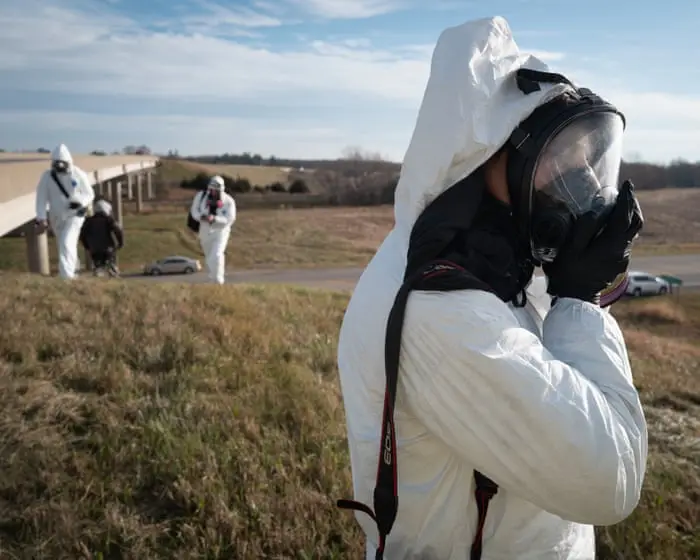
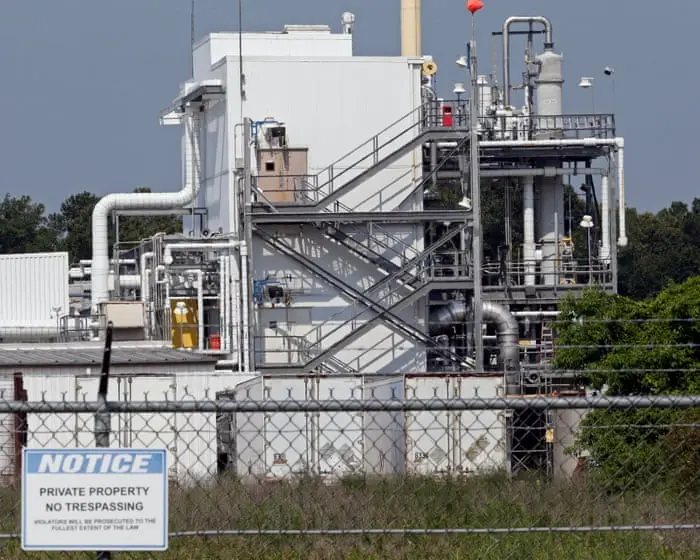
Advocates warn the legislation would weaken key clean water protections while doing little to speed up energy development. More than 50 groups in communities affected by Pfas water pollution have come out against it, saying it would weaken some of the few US legal mechanisms regulating discharge of the chemicals.
Changes to water pollution rules
The bill would make it harder for states to set protections against water pollution, double the time between automatic reviews of water pollution permits from five to 10 years, and reduce transparency around the types and levels of water pollution.
It would also require a formal rule-making process for EPA criteria that states use to limit discharge into waterways. The article says this would slow issuance of the clean water criteria by several years and open it to lawsuits, shifting more responsibility to underresourced states.
We can get clean energy without having to cause cancer
— Emily Donovan
Support and opposition
Baaja has wide industry support, including from trade groups such as the American Chemistry Council and American Petroleum Institute. Supporters say the cost is worth it because projects will be built faster and the transition to clean energy hastened.
Virtually every major US environmental group opposes the bill. Opponents say industry is using the clean energy transition as cover for unnecessary changes to water laws that do nothing to improve energy permitting.