Who's to blame for the toxic haze choking South East Asia?
Anger is mounting at the companies accused of burning land in Indonesia and the authorities who have failed to stop them.
Key points
- Indonesia is experiencing its worst wildfire season in a decade, with over 1 million hotspots burning 900,000 hectares of land.
- The resulting toxic haze has spread to Singapore and Malaysia, causing health concerns and school closures.
- Indonesian authorities have suspended the licenses of 26 companies linked to the fires and are investigating others.
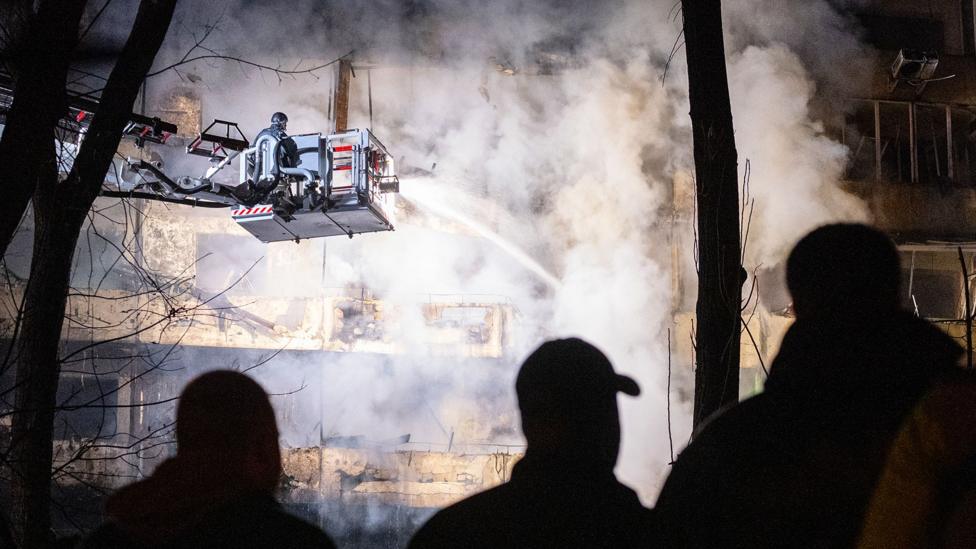
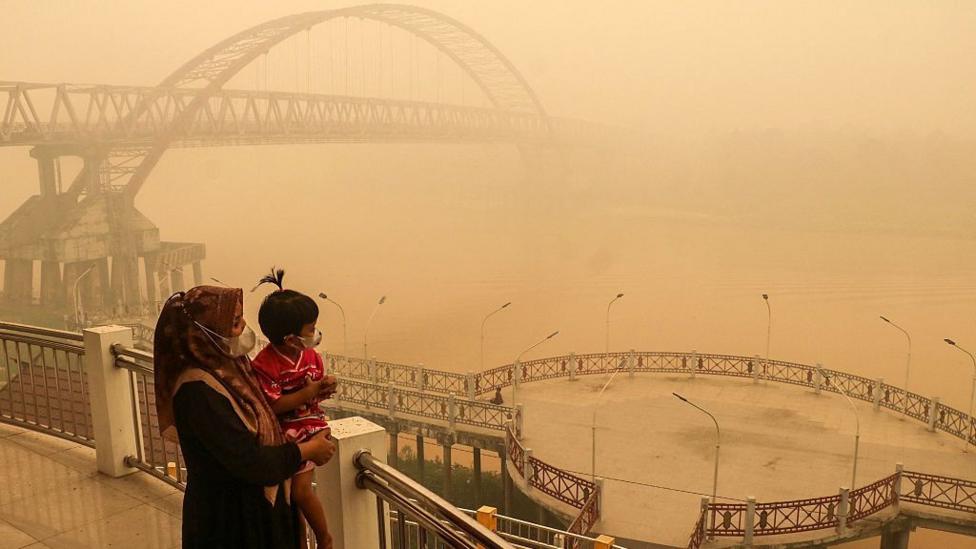
Indonesia is battling its worst wildfire season in a decade, sending a toxic smog across South East Asia that has choked millions of residents. The air on the islands of Kalimantan and Sumatra has turned an ominous amber, with air quality recorded at hazardous levels.
The haze has drifted beyond Indonesia's borders, obscuring Singapore's skyline and forcing some schools to close in Malaysia. Anger is mounting at companies accused of burning farmland and at authorities who have struggled to stop them.
Causes of the fires
The annual dry season wildfires have been especially intense this year due to an unusually strong El Niño, a natural climate phenomenon that changes weather patterns worldwide. According to independent monitoring platform Nusantara Atlas, 1,043,377 wildfire hotspots have been recorded in Indonesia, burning a total of 900,000 hectares.
Many fires in Indonesia's forests and peatlands are caused by slash-and-burn farming, an agricultural method traditionally used by farmers to create nutrient-rich soil. Today, many fires are associated with commercial farming on a much larger scale and are harder to control. Activists and government investigations have repeatedly accused some companies of using fire as a cheap way to clear land.
I'm short of breath and have a headache from breathing this air. But I still have to work
— Imrayedi, a 63-year-old motorcycle taxi driver in Pekanbaru city
Government response and tensions
Slash-and-burn farming is illegal in Indonesia, but enforcement has long been tricky. President Prabowo Subianto has called for tougher sanctions, describing the practice as "ecological terrorism". Last month, authorities suspended the operating licenses of 26 companies linked to the wildfires and launched investigations into others.
A Greenpeace report this month identified Singapore- and Malaysia-based companies linked to burning land in Indonesia. First Resources and Kuala Lumpur Kepong both denied using open burning. In 2014, Singapore passed the Transboundary Haze Pollution Act, but attempts to prosecute Indonesian companies in 2015 drew anger from Jakarta. Similar tensions arose last weekend when an Indonesian official said the fires were beyond human control and that oxygen in Singapore and Malaysia "also comes from our forests".