Why social media has become an election issue in Brazil’s presidential race
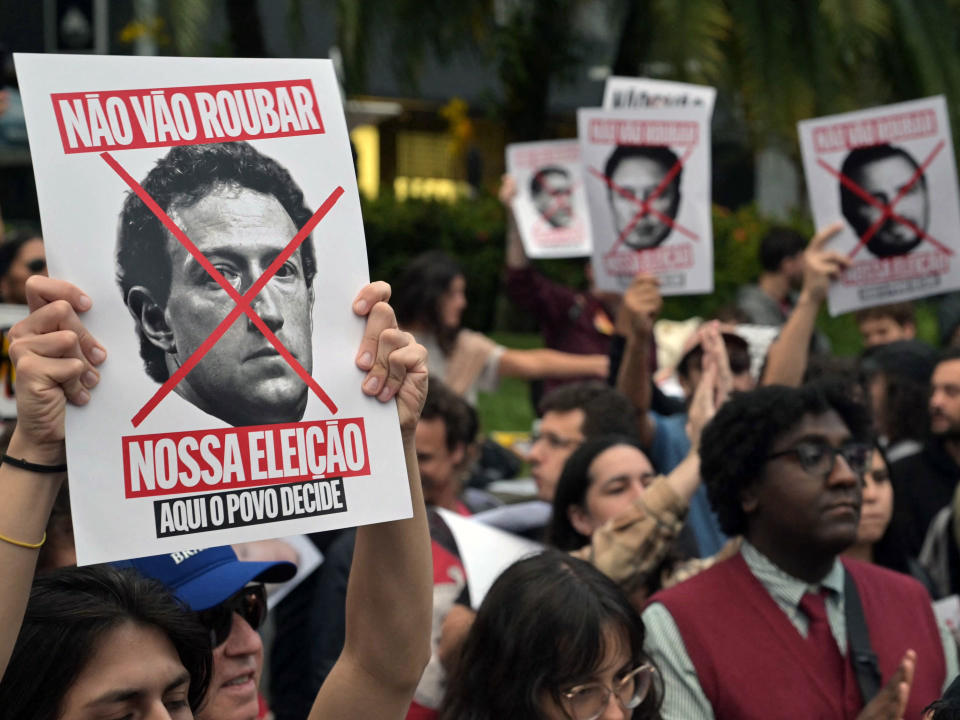
Critics have accused the tech giant Meta of censoring the political campaign of President Lula and favouring Bolsonaro.
Key points
- Brazil's election runoff on Sunday pits President Luiz Inacio Lula da Silva against Senator Flavio Bolsonaro.
- Meta received at least 288m Brazilian reais ($57m) in direct campaign spending in 2026, double its 2022 total.
- Watchdog groups say Meta approved 13 of 15 test ads with AI-generated violence and disinformation.
Brazil's presidential race enters its final round on Sunday, with incumbent Luiz Inacio Lula da Silva facing right-wing Senator Flavio Bolsonaro. In the closing days, questions have grown over whether social media has given the two candidates equal treatment.
Meta, which owns Facebook, WhatsApp and Instagram, faces accusations before Brazil's top election authority, the Superior Electoral Court (TSE), that it suppressed Lula's content and favoured material promoting Bolsonaro. Meta denies favouring any candidate.
Campaign spending shifts online
An analysis by the Brazilian outlet G1 found Meta received at least 288m Brazilian reais ($57m) in direct campaign spending in 2026, double its 2022 figure. Researcher Andre K Rodarte said more than 76 percent of Brazilian voters now get their news online.
Rodarte said a growing class of politicians uses provocative, viral messaging, pointing to influencers such as Nikolas Ferreira and Erika Hilton, each reelected to the Chamber of Deputies with record votes.
Meta has long warned that Brazil’s strict digital-content rules increase the risk of over-enforcement and threaten free expression
— a Meta spokesperson
Rules and enforcement concerns
Brazil tightened its rules after Jair Bolsonaro's term, banning AI-generated depictions of candidates and requiring disclaimers on AI political ads. Meta said the rules "increase the risk of over-enforcement and threaten free expression".
The digital rights group CTRL+Z said it collected 1,100 reports this year of accounts taken down or reach restricted, mainly profiles supporting Lula. Eko found Meta approved 13 of 15 test ads containing AI-generated violence and disinformation, and NetLab found more than 1,600 political ads paid for from outside Brazil.