Women may be at greater risk of AI job losses. Telephone switch operators and PCs show why
The history of technological progress suggests that as AI spreads, the employment impact will hit women more than men.
Key points
- Research suggests women face higher AI job risk, with clerical and administrative roles most exposed.
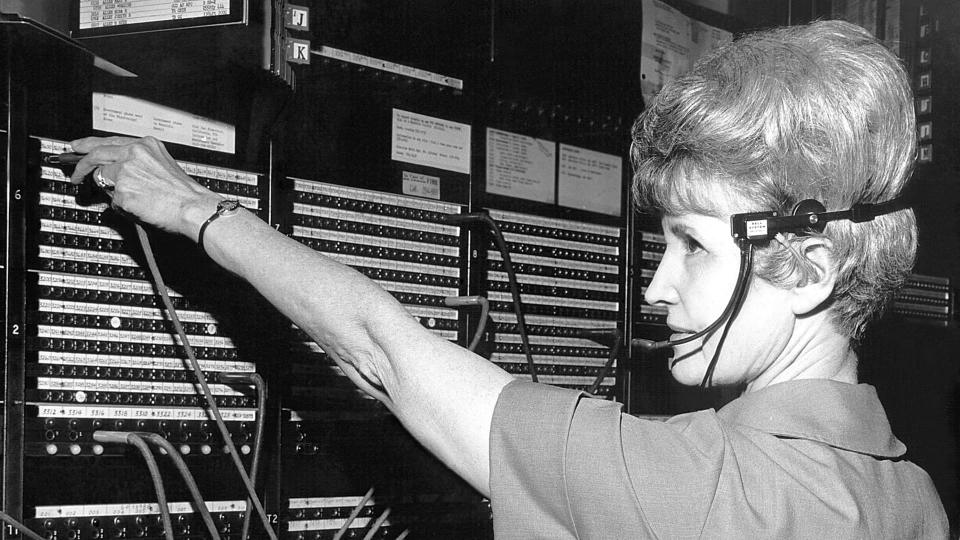
- Automated telephone switches eliminated an estimated 75,000 operator jobs, mostly held by women.
- Past technologies show displaced workers often moved down, while younger generations adapted better.
Women may face greater exposure to job losses from artificial intelligence, according to reporting that traces how earlier technologies reshaped women's work. The article points to telephone switch operators, washing machines and personal computers as guides to what AI could mean for employment.
In the 1940s, nearly 95% of America's telephone operators were female. After AT&T introduced the automated telephone switch, an estimated 75,000 operator jobs vanished in the following decades, and many operators ended up in lower-paying jobs or left the workforce.
Why women may be more exposed
The International Labour Organization concluded in March that nearly one in 10 women in high-income countries works in occupations at the highest risk from AI. Ariane Hegewisch of the Institute for Women's Policy Research said AI targets routine tasks and pattern-finding, which are common in clerical and administrative work, noting that 90% of secretaries and clerical workers are women.
Economist David Autor said most people choose careers early and stay in them, so when a job becomes technologically obsolete, workers generally move to something not as good.
AI is focused on routine tasks and numbers and finding patterns, and those types of jobs are the clerical, administrative jobs that a lot of women hold
— Ariane Hegewisch
Lessons from past technologies
Economists James Feigenbaum and Daniel P. Gross found that while the switch hurt incumbent operators, the next generation of women found similar-quality work in other fields. The washing machine reduced unpaid housework, and employed women in the U.S. grew by more than 25 million from 1950 to 1980.
The personal computer shifted clerical tasks to other office workers, but women were already more likely than men to use computers at work and many adapted. Hegewisch cautioned that the outlook remains unclear because, as she put it, "AI can learn."