Zimbabwe’s platinum boom: Where is the wealth?
The metal is generating billions, but mining communities say basic services have failed to keep pace.
Key points
- Zimbabwe's platinum sector generated a record $8.5bn in export earnings in 2025, up from $5.9bn the previous year, according to the Chamber of Mines of Zimbabwe.
- Residents near major platinum operations in Mhondoro-Ngezi say roads, schools and water services have not kept pace with mining growth.
- Unki mine says it has spent an average of $1.5m a year on community development over the past five years, while Mimosa did not respond to questions.
Zimbabwe's platinum industry is earning billions of dollars, but residents in mining communities say basic services such as roads, schools and water have not kept up with the extraction happening beneath their land. The country holds the world's second largest known deposits of platinum group metals after South Africa, and mining accounts for about 75 percent of exports and about 14.5 percent of gross domestic product, according to the International Trade Administration in the United States.
Platinum prices reached an all-time high of $2,923 an ounce on January 26, according to the World Platinum Investment Council. John Musekiwa, then-president of the Chamber of Mines of Zimbabwe, said the sector brought in a record $8.5bn in export earnings in 2025, up from $5.9bn the year before, driven by strong output and favourable prices for gold and PGMs.
Life near the mines
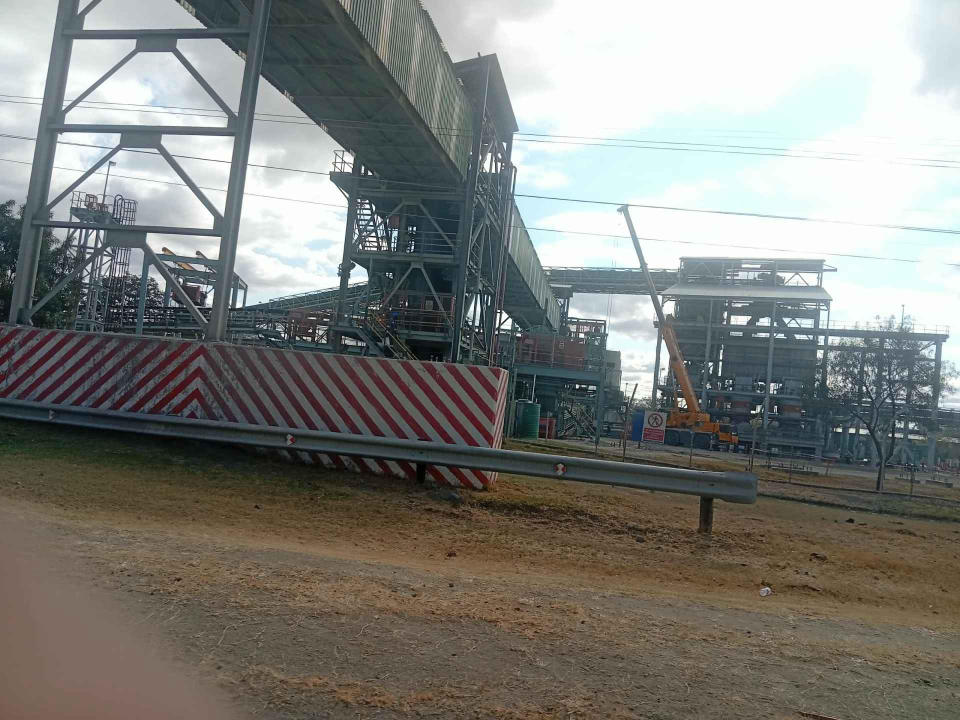
In Mhondoro-Ngezi, where Zimplats runs mines and processing facilities along the Great Dyke, residents of Turf, Mamina, Murambwa and nearby villages said infrastructure has lagged behind the area's growth. Ernest Denhere, headman of Denhere village in Ward 3, called for a road linking the area to the Harare-Masvingo highways. Ward 3 Councillor Emmah Chikwai said some children walk between 15km and 25km to reach Musinambi Secondary School and asked the mines to help set up a satellite school in Makwavarara.
During a September 7 visit, Al Jazeera saw pupils at Turf Primary School learning under trees as enrolment strained facilities. Nearby, women and young men sorted through waste for plastic to sell. Sakina Lice, who collects plastic to support 11 children and nine grandchildren, said she makes maybe $20 a month and wants the mine to empower women to start projects.
What is beneath our land speaks volumes. We need to see a lasting legacy for our communities.
— Ernest Denhere, headman of Denhere village
River pollution complaints
Residents said the Ngwazani River, about 100 metres from the dump site, has been affected by sewage from the mining area. Edson Mabure, whose family was relocated as mining expanded, said the river is "now flooded with sewage coming from the mine." Agnes Handidikundiona said the water is no longer clean and that flooding sometimes stops children from reaching school; she called for a footbridge.
Ward 11 Councillor Nhomboka Kurebwa Javangwe said the population has grown as mine workers and their families moved in. He said Zimplats has built classrooms and houses but demand outstrips supply, and that councillors lack direct access to the company. Similar calls for infrastructure investment came from residents in Shurugwi, home to Unki mine, and Zvishavane, where Mimosa operates.
What the mines say
Unki said it has invested an average of $1.5m a year in community development over the past five years. Its public relations manager, Evelyn Mawimba, said the mine has built 63 boreholes, supported 32 schools through its STEP-UP programme and contributed $2.75m towards the Impali housing estate, and pays about $130,000 a year in municipal levies and about $850,000 annually to the Tongogara Rural District Council.
Mimosa did not respond to Al Jazeera's questions despite several attempts. Mhondoro-Ngezi Rural District Council chairperson Alderman Ephraim Pepukai Chengeta promised to respond but did not, and Zimplats head of corporate affairs Hama Saburi also did not respond by publication.