A 24-hour fast triggers a surprising repair response in the gut
Scientists have discovered that fasting for just 24 hours increases a beneficial gut bacterium that helps the intestines regenerate after radiation damage. The preclinical findings could pave the way for new treatments that protect healthy tissue during cancer therapy, potentially without requiring patients to fast.
Key points
- A 24-hour fast increased levels of the gut bacterium Akkermansia muciniphila in the small intestine.
- Removing the bacterium removed the fasting benefit, and restoring it with fasting brought the effect back.
- Researchers say microbe-based or metabolite treatments could one day avoid the need for fasting.
New preclinical research from The University of Texas MD Anderson Cancer Center suggests a 24-hour fast may help the intestines recover from radiation damage, but only with help from a specific gut bacterium. The study, published in the Proceedings of the National Academy of Sciences, was co-led by Helen Piwnica-Worms, Ph.D., professor of Experimental Radiation Oncology, and Kunal Rai, Ph.D., professor of Genomic Medicine.
Radiation therapy is used against cancers in the abdomen, including pancreatic, colorectal and gynecologic cancers, and the small intestine is especially sensitive to it. Damage to its lining can cause nausea, diarrhea and infections, and can limit how much radiation doctors can safely give.
How the repair response works
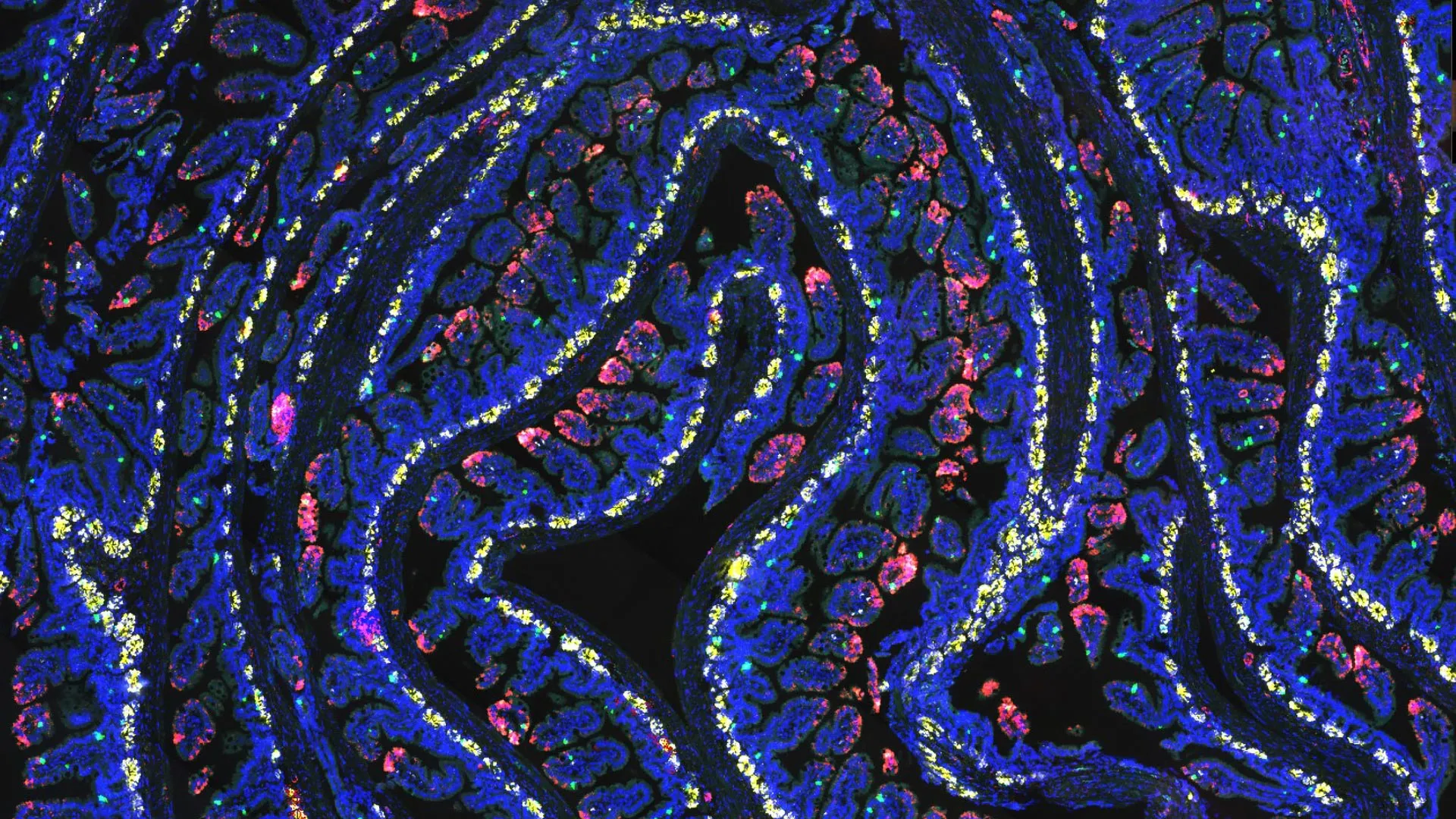
The researchers found that 24 hours of fasting raised levels of a beneficial bacterium called Akkermansia muciniphila, or AKK, in the small intestine. The microbe produces propionate, which helps trigger changes in intestinal cells that prepare them to regenerate after radiation damage.
Propionate works with other fasting-related metabolic changes to modify histone proteins, making parts of DNA more accessible so cells can activate tissue regeneration genes. When AKK was removed, fasting no longer produced the same benefits, and the protective response returned only when the bacterium was restored together with fasting.
Fasting helps prepare intestinal cells to respond more quickly and effectively after injury, almost like training the cells with an emergency preparedness plan
— Helen Piwnica-Worms
Limits and next steps
The findings remain preclinical, and further studies are needed to see whether the mechanism works in humans and can safely improve outcomes for patients receiving radiation therapy. Researchers are also interested in tissues with rapidly dividing cells, such as bone marrow.
Rai said fasting is not always practical for cancer patients and that the work supports other possible approaches, such as dietary interventions or targeted microbes and their metabolites.