Scientists discover mysterious “lonely” brain waves linked to memory loss
Scientists have uncovered a surprising link between Alzheimer’s-related protein buildup, disrupted brain waves during deep sleep, and fading memory. The findings suggest that hidden changes in how the brain processes memories overnight may contribute to age-related memory loss long before Alzheimer’s symptoms appear.
Key points
- A UC Berkeley study links tau buildup in the frontal cortex to disrupted slow brain waves during deep sleep.
- Older adults' slow waves traveled shorter distances and appeared more isolated, dubbed "lonely waves."
- Participants with less coordinated waves remembered fewer word pairs learned the night before.
A study from researchers at the University of California, Berkeley has found a connection between disrupted brain waves during deep sleep, declining memory performance and the buildup of tau, a protein associated with Alzheimer's disease. The work, led by neuroscientist Omer Sharon under former Berkeley sleep researcher Matthew Walker, was published in Nature Neuroscience.
The findings suggest that tau accumulation in the brain's frontal cortex is linked to changes in the coordinated electrical activity that helps preserve memories overnight. The changes appeared in older adults who had not developed Alzheimer's disease.
How the study was done
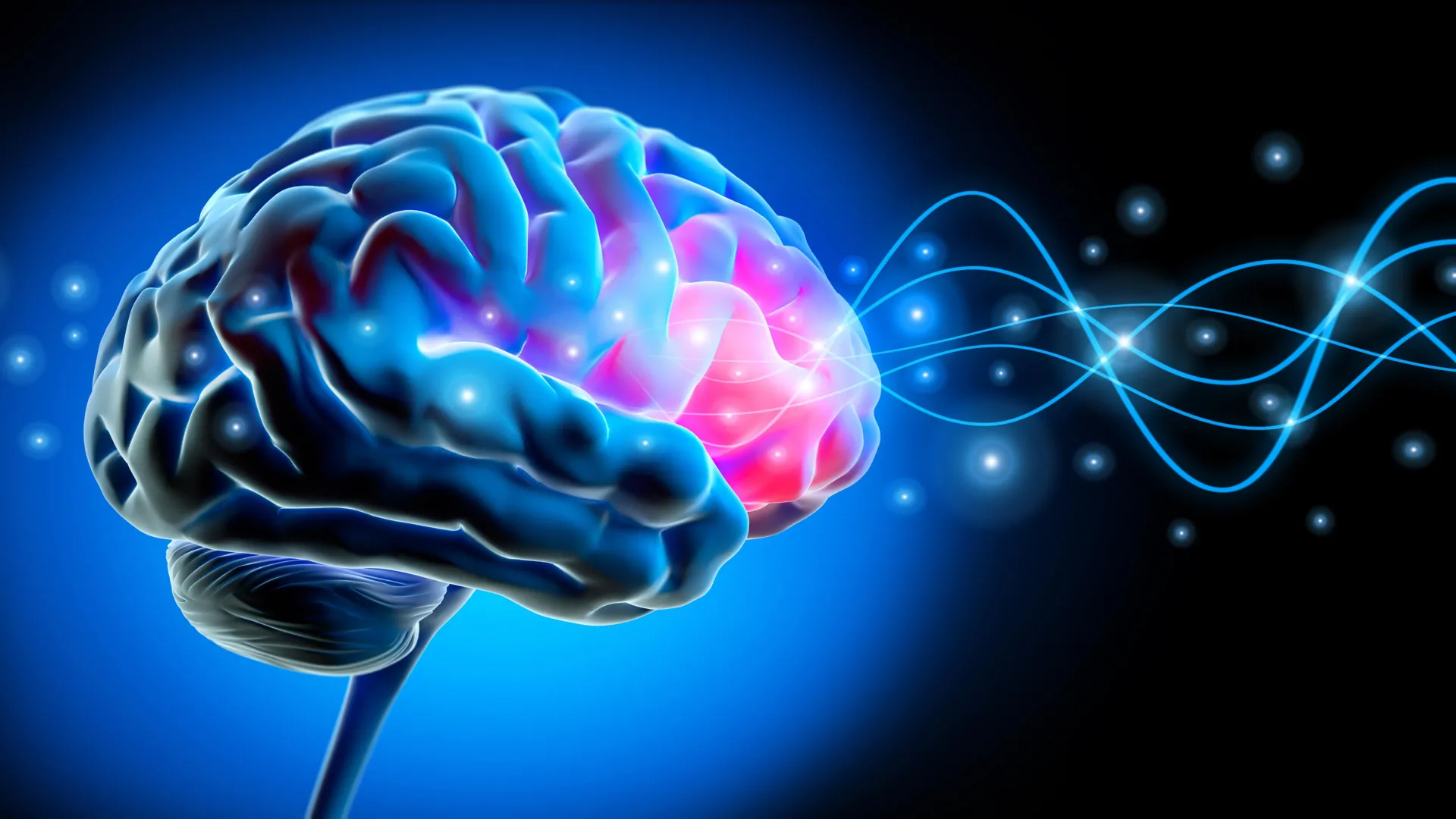
The scientists monitored sleeping brain activity with electroencephalograms, comparing cognitively healthy adults in their early 20s with older participants in their mid-60s to mid-70s. In younger people, groups of slow waves moved together across distances roughly the width of a hand on the scalp; in older adults, the waves traveled less far and appeared more independent.
PET scans showed that greater tau buildup in the frontal cortex was associated with a breakdown in the longer traveling waves. A separate analysis of spinal fluid from older adults at Washington University in St. Louis found similar patterns, with more isolated slow waves linked to higher ratios of tau to amyloid.
This is the first time we've shown this relationship between tau and how it messes with memory consolidation by attenuating traveling slow waves that originate in the frontal cortex
— Omer Sharon
Memory test results
Participants learned pairs of associated words in the evening and were asked to recall them the next day. Those whose slow waves traveled shorter distances and appeared more isolated generally remembered fewer word associations; the researchers called these patterns "lonely waves."
The team tracked a subset of participants over several years and found that among those whose frontal cortex tau levels increased, slow waves became less coordinated and overnight retention declined. The researchers said the findings do not establish that tau buildup directly causes memory loss.