Ancient Siberian tomb reveals surprising secrets of cannabis use 2,800 years ago
Scientists investigating a 2,800-year-old Siberian tomb discovered roughly 1,000 cannabis seeds and chemical evidence suggesting ancient Scythians used the plant for its intoxicating effects. The remarkable find, surrounded by evidence of elaborate burial rituals and animal sacrifices, offers the oldest directly dated archaeological evidence of psychoactive cannabis use.
Key points
- Researchers found about 1,000 cannabis seeds in a Scythian tomb in the Republic of Tyva in southern Siberia.
- Six seeds were radiocarbon dated, placing their deposit in the early eighth century B.C.
- Chemical traces consistent with cannabinol in preserved human hair suggest the plant was used for its intoxicating effects.
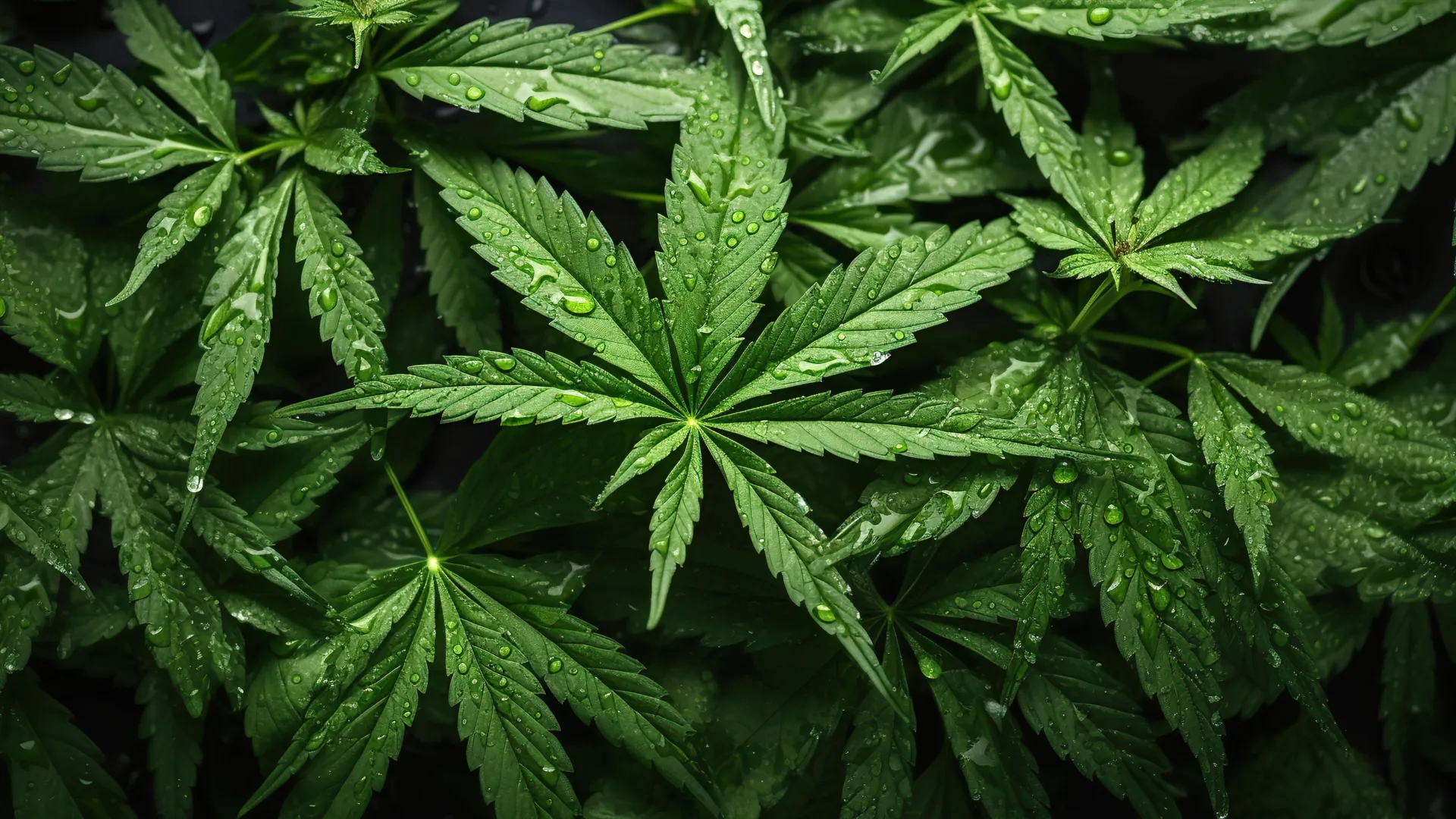
Researchers have found the oldest directly dated archaeological evidence of cannabis use for its intoxicating effects in a nearly 2,800-year-old tomb in the Republic of Tyva in southern Siberia. The team, led by Dr. Gino Caspari of the University of Bern and the Max Planck Institute of Geoanthropology, recovered about 1,000 cannabis seeds and analyzed human hair from the burial site. The findings were published in the journal Science.
Radiocarbon dating of six individual seeds, combined with other dating evidence, indicates the seeds were deposited during the early eighth century B.C. The tomb belonged to prominent members of the Scythians, a culture known for skilled horseback riders who inhabited the Eurasian steppe.
Chemical traces in hair
The strongest evidence of intoxicating use came from hair preserved in the tomb's central burial chamber. Using high-resolution mass spectrometry and other techniques, the team found clear chemical signals consistent with cannabinol (CBN) in several samples, plus weaker signals matching the mass of THC.
The researchers say the chemical findings cannot show how much was consumed or how the compounds entered the body. The individuals may have inhaled cannabis smoke or consumed the plant another way, but the evidence cannot establish a method.
The seeds show that cannabis played an important role in the rituals surrounding the burial
— Gino Caspari
Burial rituals and open questions
The cannabis evidence was found in an elaborate ceremonial burial site. Earlier research identified the remains of 18 horses deliberately positioned on the burial mound, and continued excavations have uncovered evidence of several dozen more sacrificed horses along with scattered human bones.
The team cannot determine how much THC the ancient cannabis contained or whether Scythian communities had begun selecting or cultivating more potent varieties. Researchers have begun sequencing DNA from the plant remains, which Caspari says is excellently preserved.