Eating late at night linked to up to 30% higher risk of liver disease
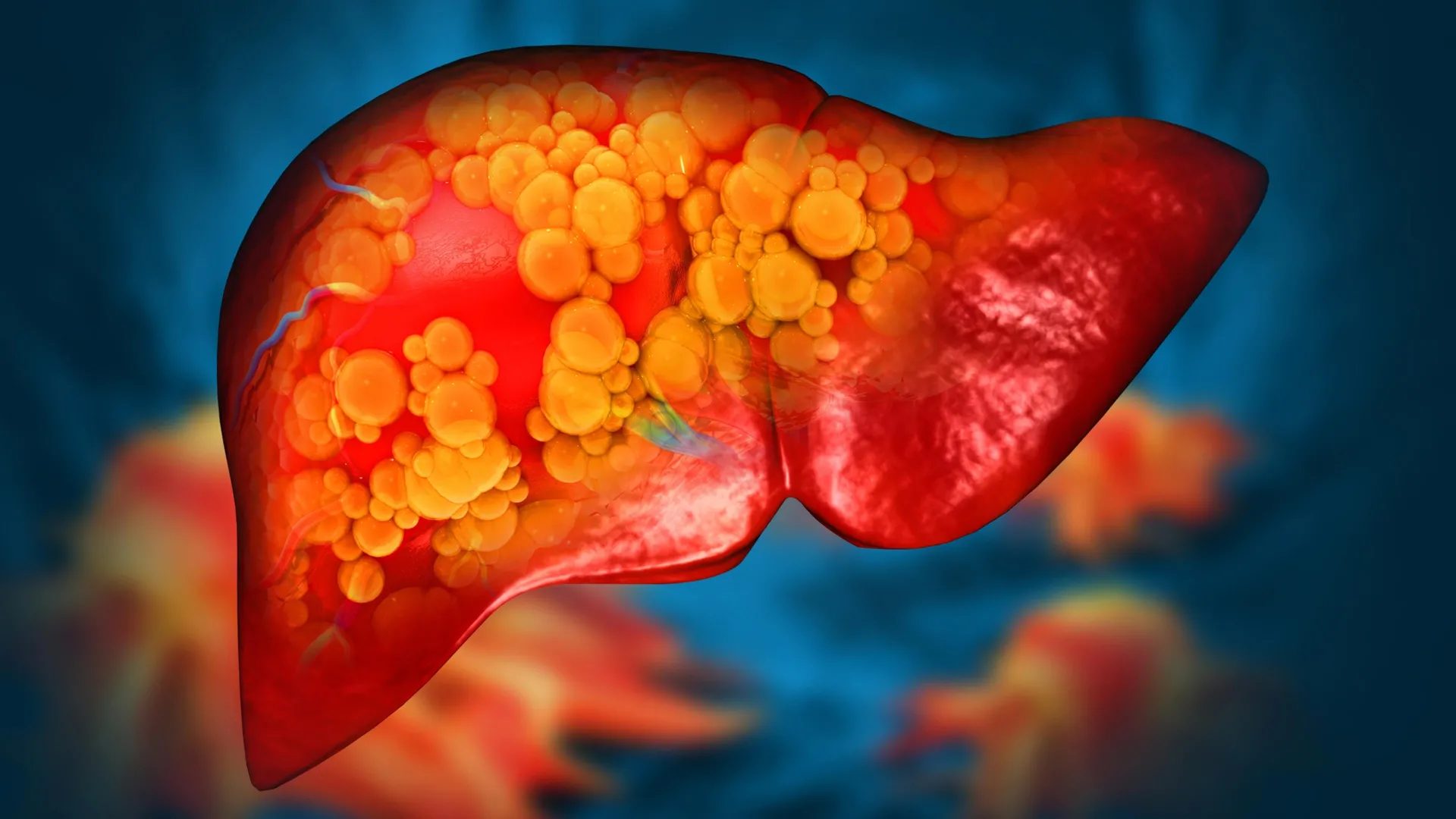
Eating late at night could be putting your liver at risk, according to a large study led by Oregon Health & Science University. Researchers analyzed data from nearly 200,000 people and found that those who regularly ate after dinner or around bedtime had a 20% to 30% higher risk of liver disease, including fatty liver disease and cirrhosis.
Key points
- A study from Oregon Health & Science University found that eating late at night is linked to a 20% to 30% higher risk of liver disease.
- The research analyzed data from nearly 200,000 participants in three nationwide studies.
- The observational study cannot prove cause and effect, and more controlled research is needed.
Researchers at Oregon Health & Science University (OHSU) have found that eating late in the evening is associated with a 20% to 30% higher risk of liver disease compared with not eating late. The study, published in Clinical Gastroenterology and Hepatology, included metabolic dysfunction-associated steatotic liver disease, commonly known as fatty liver disease, and cirrhosis.
The analysis examined data from three major nationwide studies: the Nurses' Health Study, the Nurses' Health Study II, and the Health Professionals Follow-up Study. Together, these datasets included nearly 200,000 participants who provided information about their eating habits and daily routines.
What researchers found
Participants who reported eating after dinner or after bedtime had a 20% to 30% higher risk of liver disease than those who did not. The association was consistent across the datasets. Fatty liver disease affects as much as 30% of the U.S. population, but most people with the condition do not develop advanced liver scarring.
One possible explanation involves the body's circadian rhythms, which regulate sleep and metabolism. The liver is sensitive to these rhythms, and eating when the body is preparing for sleep may interfere with its functions. The researchers also noted that night shift workers have higher rates of obesity and heart disease.
Even so, the big take-away here is that confining your calorie intake to several hours before bedtime might be beneficial.
— Robert Wilechansky
Limitations and next steps
The study was observational and cannot establish cause and effect. It relied on participants' self-reported information, including broad descriptions of when they ate. Other factors could help explain the association.
Lead author Robert Wilechansky, M.D., a hepatologist at OHSU, is now involved in a clinical study that will monitor meal timing directly and evaluate whether shifting food consumption earlier improves liver health in people with fatty liver disease. The research was supported by the American Association of the Study of Liver Diseases Foundation.