How Venezuela’s earthquake amputees adapt to life without limbs
Experts say recovery for earthquake survivors will likely be a lifelong endeavour, given the physical and mental toll.
Key points
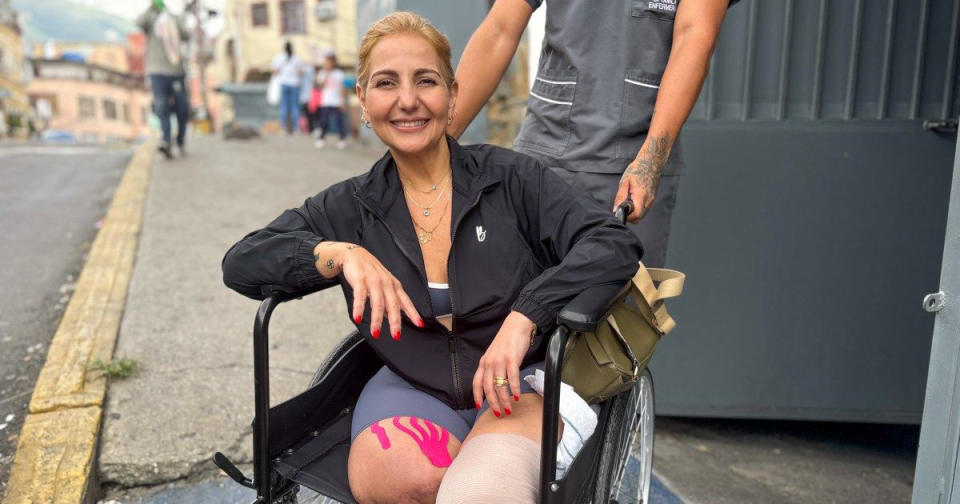
- Ricardo Contreras, 24, lost his left leg after being trapped in rubble during Venezuela's June 24 earthquakes.
- UNICEF had secured only $29.5m of the $65.7m needed for earthquake support as of September.
- Prosthetic limbs cost between $3,000 and $12,000 depending on amputation level, according to the Juan Pablo Dos Santos Foundation.
More than four months after twin earthquakes struck Venezuela on June 24, survivors who lost limbs are adapting to new lives amid dwindling aid. Ricardo Contreras, 24, waited hours trapped beneath rubble before his left leg, pinned by a fallen door frame, had to be amputated. His parents died in the collapse.
More than 6,500 people have been confirmed dead, according to the government, and at least 226,696 have received hospital treatment. The government says it has compiled a census of amputees but has not made details public.
Funding shortfalls and prosthetic costs
As of September, UNICEF said it had secured only $29.5m of the $65.7m needed to continue its earthquake support in Venezuela, a 55 percent shortfall. The International Red Cross said its Venezuela response effort was only 39.8 percent funded.
Bianca Damaso, who runs the Caracas prosthetic workshop Ortoprotecnica, said it typically takes two to three months of physiotherapy and preparation before a survivor is ready for a prosthesis. Children may need five or six replacements as they grow. Juan Pablo Dos Santos, whose foundation helps amputees, said a below-knee prosthesis can cost $3,000 to $5,000 and an above-knee one $7,000 to $12,000.
One of the biggest achievements is that we survived
— Ricardo Contreras
What survivors said
Karina Bechara, who lost both legs and was stuck in rubble for 23 hours, hopes to stand on new feet by December 1. "Now I am the opposite, a mum who needs their help, a dependent mum," she said. Ricardo has returned to work at his family's truck parts business and to university, where professors moved his lessons to ground-floor classrooms.
Damaso said survivors face mental as well as physical battles. "We tell them that the only thing that's forbidden here is saying, 'I can't,'" she said. Ricardo, now his 16-year-old brother Andres's legal guardian, said money remains tight but "we find a way."