In Israel, Netanyahu’s ultimate legacy is the opposition he has forged
As Israel heads to the polls, PM Netanyahu’s most enduring domestic legacy may be the right-wing opposition he faces.
Key points
- Israel votes on October 27, with Netanyahu facing a bloc united mainly by opposition to him.
- Netanyahu is wanted by the International Criminal Court on Gaza war crimes charges.
- Analysts say his legacy is a right-wing, militaristic opposition shaped in his image.
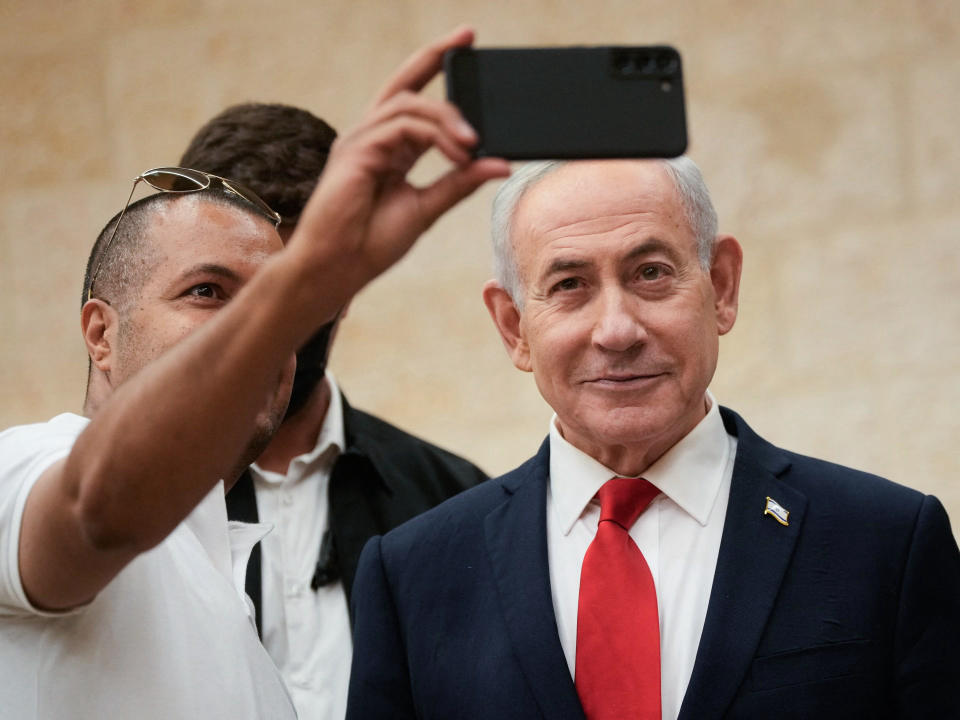
Israelis will vote on October 27 in an election that pits Prime Minister Benjamin Netanyahu against a group of rivals whose main shared position is opposition to him. Netanyahu, Israel's longest-serving prime minister, is seeking re-election while wanted by the International Criminal Court on charges of war crimes in Gaza.
In late September, delegates walked out of the UN General Assembly hall as Netanyahu began his speech. He responded with a grin, saying, "If there are any other moral cowards haven't left the hall, please do so now." His former aide Mitchell Barak told Al Jazeera that this is what supporters want to see, adding that many in Israel see Netanyahu as the only person who can lead the country.
A polarizing political career
Born in Tel Aviv in 1949, Netanyahu spent his early years between Israel and the United States. He served as deputy chief of mission in Washington in 1982, ambassador to the UN in 1984, and deputy foreign minister under Yitzhak Shamir in 1988. In 1996 he became Israel's youngest prime minister, later serving a record 12-year tenure from 2009 to 2021 and returning in 2022 to lead the most far-right government in Israel's history.
Political analyst Nimrod Flaschenberg described Netanyahu as the perfect encapsulation of Israel's political polarisation, saying he is always in campaigning mode. Under his leadership, Israel rejected the two-state path set by Yitzhak Rabin, and the 2018 Nation-State Law declared self-determination unique to the Jewish people and stripped Arabic of official status. OCHA recorded 1,291 settler attacks in the West Bank in 2023 and 1,835 in 2025, and at least 1,071 Palestinians, including 233 children, have been killed there since October 7, 2023.
He's essentially running unopposed. It's Netanyahu versus a coalition of opponents.
— Mitchell Barak
Opposition and legal battles
Netanyahu's coalition has placed figures such as National Security Minister Itamar Ben-Gvir and Finance Minister Bezalel Smotrich at the heart of power. Outgoing Hadash lawmaker Aida Touma-Sliman said Netanyahu did not create racism and fascism in Israel but helped it, and that he knows what he is doing by including such people. Barak said Netanyahu thrives in chaos and is all about ends justifying means.
Dogged by corruption cases dating back to 2019, Netanyahu has clashed with the legal establishment. In January 2023 he and his allies sought to overhaul the judiciary, prompting mass protests. Polls show Likud weakening from 32 seats in 2022 to about 20 to 22. The opposition bloc has no official leader, though former army chief Gadi Eisenkot is seen as the likely candidate. Flaschenberg said Netanyahu's legacy lies with the opposition, which he described as right-wing, militaristic and ultimately racist.