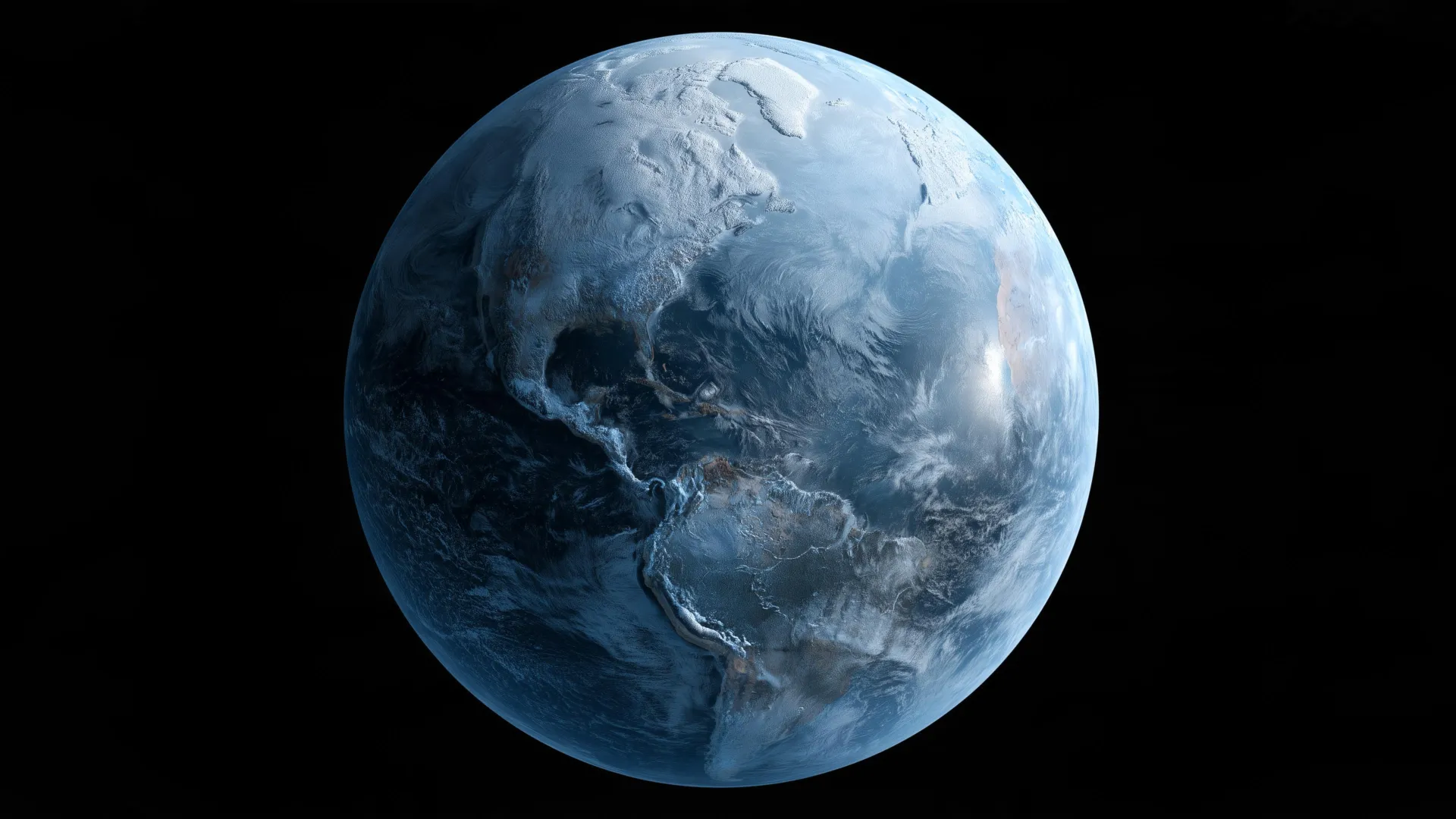
NASA’s Artemis I mission reveals surprising radiation levels near the Moon
NASA’s Artemis I mission has revealed that cosmic radiation near the Moon is higher than in Earth orbit, but not by as much as scientists might expect. Tiny experimental detectors also uncovered surprising details about how radiation passes through the human body, offering valuable insights for future lunar exploration.
Key points
- Artemis I carried over 10,000 crystals in two mannequins to measure radiation near the Moon.
- New lithium fluoride detectors recorded particle tracks without chemical etching.
- Radiation doses near the Moon were more uniform than those seen on the space station.
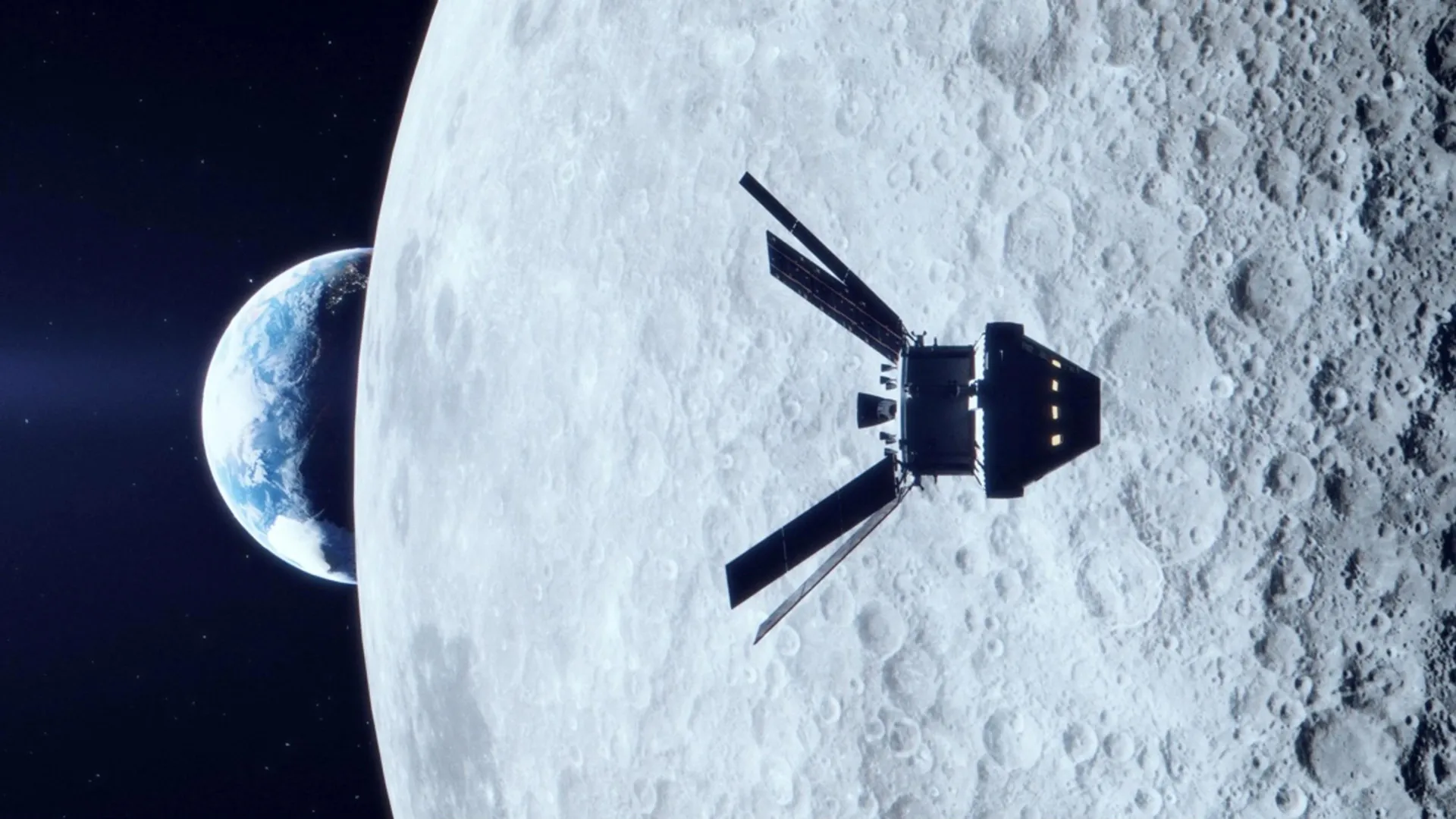
NASA's uncrewed Artemis I mission has provided new data on cosmic radiation near the Moon, using experimental detectors made from lithium fluoride crystals aboard the Orion spacecraft. The mission took place in late November and early December 2022, carrying more than 10,000 tiny crystals embedded inside two human-shaped mannequins. Several dozen of these were fluorescent detectors developed at the Institute of Nuclear Physics of the Polish Academy of Sciences (IFJ PAN) in Cracow. The findings were published in the journal Radiation Measurements.
The detectors were part of the MARE (Matroshka AstroRad Radiation Experiment) study. IFJ PAN also supplied nearly 600 thermoluminescent crystal detectors for the mission. The researchers described a new method for analyzing the information stored in the crystals, offering insights into cosmic radiation levels and detector performance.
How the detectors work
The lithium fluoride detectors capture microscopic changes caused by radiation. When charged particles pass through a crystal, they create defects known as color centers. Scientists can later illuminate the crystal with blue light, making these regions glow red. By examining the fluorescence under a microscope, researchers can identify the paths of individual particles.
Unlike traditional plastic detectors that require chemical etching, the lithium fluoride crystals allow direct inspection with a standard fluorescence microscope. The team developed calibration and analysis techniques to interpret the tracks, which can be complex due to cosmic radiation arriving from all directions and at various energies.
Low-energy protons, trapped by our planet's magnetic field within the Van Allen belts, can account for the majority of the radiation dose received by astronauts in low Earth orbit.
— Prof. Pawel Bilski
Comparison with space station data
The Artemis I measurements were compared with an earlier experiment aboard the International Space Station. More than a decade before Artemis I, the MATROSHKA experiment used mannequins on the station. Some radiation there came from low-energy protons trapped in Earth's Van Allen belts, producing uneven dose distributions.
Near the Moon, the Van Allen belts do not extend, so radiation contains more high-energy galactic particles. These particles travel through the entire body, releasing energy along the way. As a result, the Artemis I detectors recorded doses that were almost uniformly distributed throughout the mannequins, unlike the uneven patterns from the space station experiment.