New drug reverses severe fatty liver disease by repairing the gut
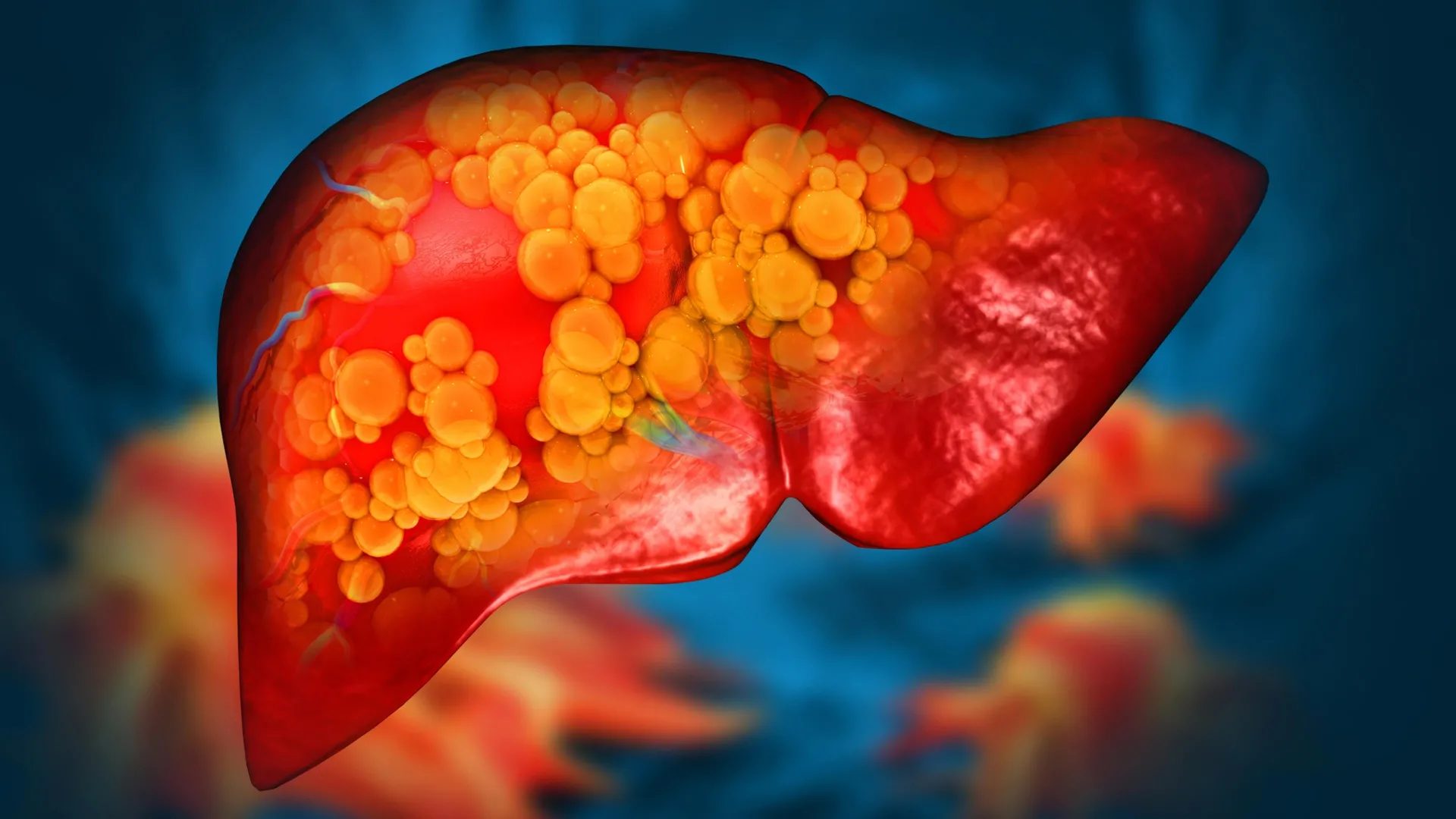
Scientists have discovered that a potential new drug can reverse severe fatty liver disease in animal models by restoring gut health and blocking harmful substances from reaching the liver. The breakthrough could pave the way for new treatments for liver disease and potentially other serious conditions, including cardiovascular disease.
Key points
- An experimental drug called DT-109 reversed severe fatty liver disease in animal studies by targeting the gut.
- The drug reduced harmful gut bacteria, lowered ammonia and strengthened the intestinal lining.
- Researchers say human trials are still needed to confirm the drug's safety and effectiveness.
An experimental drug developed at Michigan Medicine reversed a serious form of fatty liver disease in animal studies by targeting the gut rather than the liver itself, according to findings published in The Journal of Clinical Investigation. The compound, known as DT-109, reduced harmful gut bacteria, protected the intestinal lining and kept inflammatory substances from reaching the liver.
The disease, metabolic dysfunction-associated steatohepatitis (MASH), affects about 7% of the world's population. It involves excess fat in the liver that causes inflammation and cell damage and can progress to cirrhosis, liver cancer and liver failure. Treatment options remain limited.
How the drug works
The researchers found that excessive growth of Clostridium perfringens in the intestines raises ammonia levels, which damages the gut's protective lining. Toxins and microbial products can then reach the liver and worsen inflammation, partly through overactive CD8+ T cells.
In mice and nonhuman primates, DT-109 lowered levels of the bacterium and ammonia production, strengthened the intestinal lining and reduced liver inflammation and MASH severity. The primate results were seen as particularly encouraging because their liver biology and gut microbes more closely resemble those of humans.
This compound shows benefits to the gastrointestinal system and has great potential as a treatment for MASH.
— Eugene Chen
Human trials still needed
DT-109 remains experimental. Its benefits have been shown only in animal models, and researchers have not yet established whether it is safe and effective in people. The next phase of research aims to move the compound toward clinical trials.
The University of Michigan holds the patent for DT-109 and has licensed it to Diapin Therapeutics, which supplied the compound for the research and is continuing its development. Several study authors, including Eugene Chen, are listed as inventors on a patent application, and Chen and the university have an ownership interest in Diapin.