U.S. embargo, sanctions on Cuba impacting power, access to medicine
Secretary of State Marco Rubio says the campaign is engineered to make the government feel like there are no escape valves, which is how people in Cuba describe feeling.
Key points
- Cubans face daily blackouts and medicine shortages amid a strict U.S. embargo and sanctions.
- Most places in Cuba, including Havana, get only a few hours of electricity a day.
- The Trump administration imposed new sanctions on Cuba's state-run bank on Thursday.
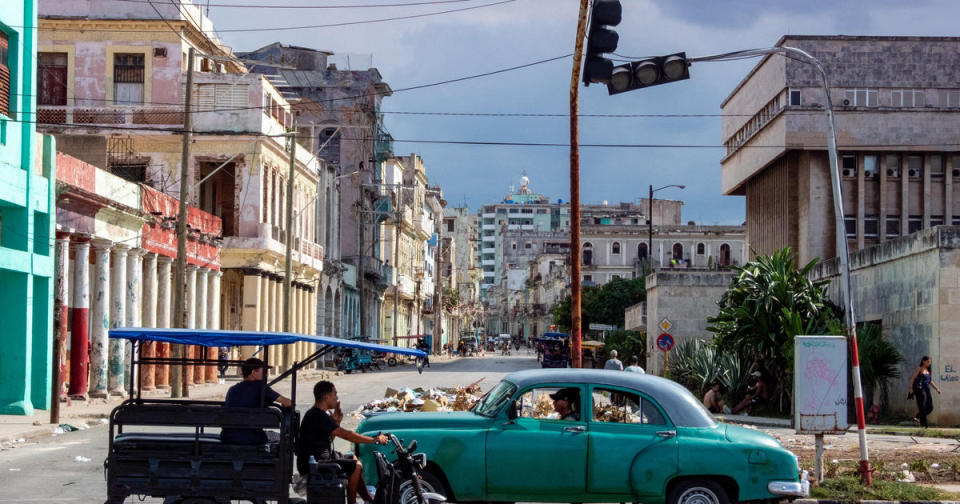
Cubans are enduring power blackouts and difficulty obtaining medicine as the United States maintains a strict embargo and sanctions aimed at pressuring Cuba's Communist government. The Trump administration has made clear it wants to remove Cuba's regime, and Secretary of State Marco Rubio says the economic campaign is designed to make the government feel there are no escape valves, which is how people in Cuba describe their situation.
A strict U.S. embargo on oil imports has left Cuba's electrical grid near collapse. Most places, including Havana, receive only a few hours of electricity a day, often less. The energy crisis and crumbling infrastructure have sent prices of basic goods soaring.
Health care under strain
CBS News saw parents lining up for care at a children's hospital. Doctors in Cuba's once-renowned public health system say they can no longer source critical, lifesaving drugs for pediatric patients. Some have turned to free, community-run pharmacies.
Retiree Sara Emilia Marquez showed CBS News medicine that was donated after her monthly prescription began arriving only once every three months, if at all. Others buy from black-market street vendors.
absolutely legitimate
— Cuba's foreign minister
Economic pressure and talks
The Trump administration has intensified its pressure campaign in recent months, including new sanctions on Thursday against Cuba's state-run bank over claimed ties to Iran. Cuba's foreign minister insists the bank is "absolutely legitimate" and calls the move collective punishment.
For the roughly two-thirds of Cubans employed by state entities, the sanctions are the latest obstacle to securing money. Pensioners can wait hours to collect government wages, with some saying they go hungry. At a bread line in an upscale Havana neighborhood, a woman buying loaves for herself and friends said bread prices have risen tenfold this year; with a government salary under $20 a month, she tries to stretch each baguette for at least two days. Cuba has enacted economic reforms to open the private sector, but its leaders say not to expect political reform. Talks with the U.S. appear to be at a standstill.