No clear winner after tight New Zealand general election
Weeks of coalition talks could follow after preliminary results pointed to a highly divided national parliament.
Key points
- New Zealand's election produced no clear winner, with National winning 42 seats and Labour 36.
- National's bloc with ACT and New Zealand First would hold a slim lead if a deal is reached.
- The official result is not due until 27 November, after special votes are counted.
New Zealand's general election on Saturday produced no clear winner, with the leaders of the two major parties preparing to negotiate a coalition government, according to preliminary results.
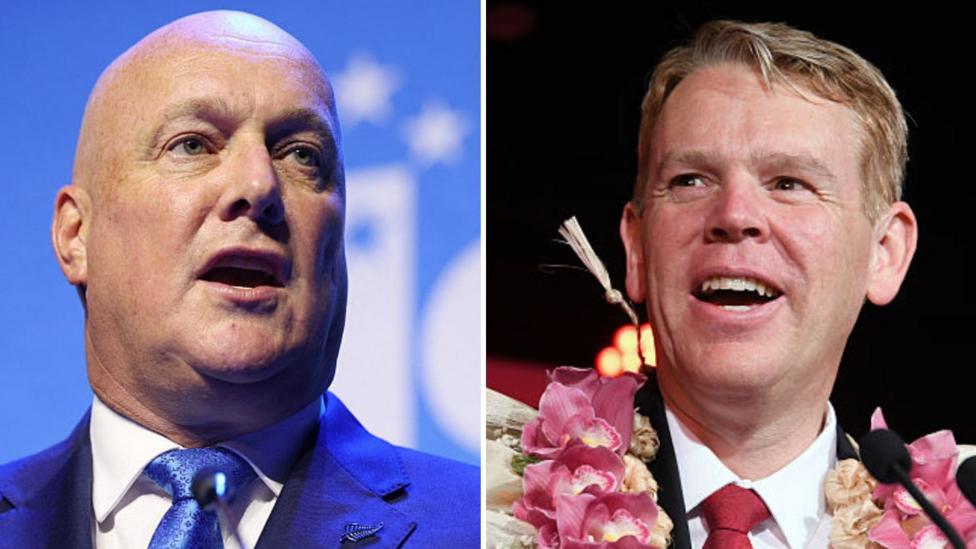
Prime Minister Christopher Luxon's centre-right National Party won 42 seats, the most of any party, but was 19 short of the simple majority needed to govern. Combined with coalition partners ACT and New Zealand First, National would hold a slim lead over the left-leaning bloc if a deal could be reached.
Hipkins refuses to concede
Opposition leader Chris Hipkins, whose Labour Party won 36 seats, showed no signs of conceding. He said the "shape of the next government" would remain uncertain "for a while".
Luxon congratulated Hipkins on a "very hard-fought race" and said his party was proud of its supporters whatever the final count. Hipkins said the next parliament would require all parties to compromise and find common ground.
It may take a bit longer to work out what they've said
— Chris Hipkins
Kingmaker and final count
More than 99% of votes had been counted, with National and Labour neck-and-neck in vote share. The two major parties had a combined share of around 60%, which the article describes as historically low support.
The Opportunity Party crossed the 5% threshold to enter parliament for the first time. Its leader, Qiulae Wong, said it would work with either side, and the party said it would negotiate first with the bloc holding the most seats.
The electoral commission was not due to announce the official result until 27 November. Professor Andrew Geddis of the University of Otago said the outcome would depend on fine vote margins and that special votes, including overseas ballots, must be processed first.