Scientists discover a surprising danger in smaller cancer cells
Scientists have discovered that unusually small cancer cells carrying extra chromosomes can be far more aggressive than larger ones, growing faster, spreading more readily, and resisting common treatments. The surprising finding could help explain why some tumors are especially dangerous and provide a new way to predict cancer outcomes.
Key points
- Virginia Tech researchers found that tetraploid cancer cells recruit noncancerous stromal cells to support tumor growth.
- Smaller tetraploid cells were 25 to 30 percent smaller than expected and proved more aggressive than larger ones.
- Smaller tetraploid cells were linked to worse prognoses and lower survival rates in several human cancers.
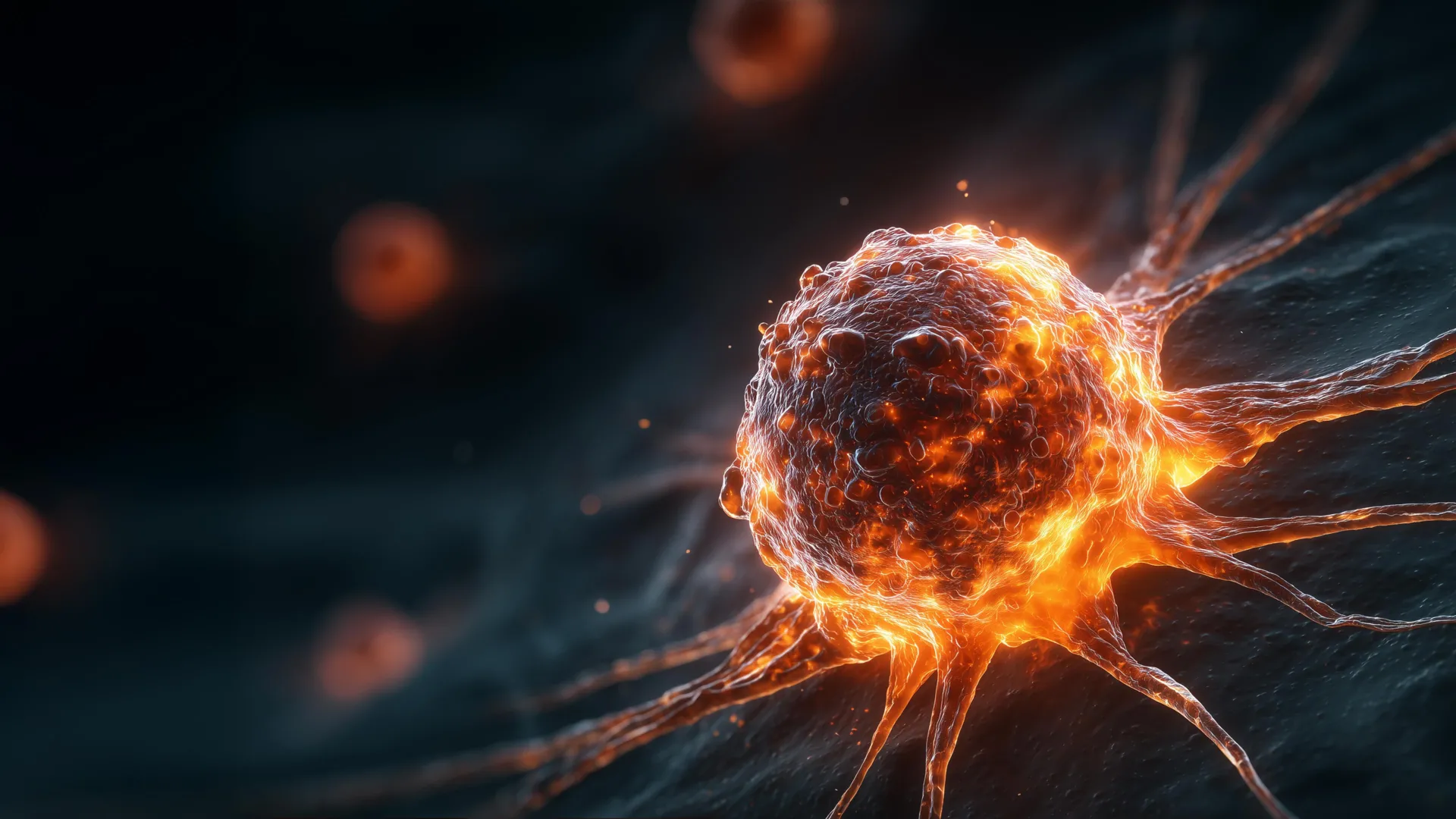
Researchers at Virginia Tech have uncovered new reasons why some cancers grow faster and respond poorly to treatment. Their work focuses on tetraploid cells, which contain four sets of chromosomes instead of the usual two and are common in cancer.
The findings were published in the Proceedings of the National Academy of Sciences, with additional results published earlier this year in Cancer Research.
How Tetraploid Cells Aid Tumors
Graduate students Megan Sweet and Mat Bloomfield, working with cell biologist Daniela Cimini, compared tumors from ordinary diploid cancer cells with those from tetraploid cancer cells in mice. As tumors grew, the proportion of tetraploid cells decreased, but the tumors still expanded rapidly.
The team found that tetraploid cells encouraged the recruitment of stromal cells, noncancerous connective tissue cells that provide structural support. Sweet said even a small fraction of tetraploid cells can promote the recruitment of extra non-cancerous cells that support further tumor progression.
The smaller clones are more aggressive. They grow faster, are more invasive, and more tolerant of common anti-cancer and stress-inducing drugs.
— Mat Bloomfield
Smaller Cells Are More Aggressive
Bloomfield noticed that colonies derived from individual tetraploid cells varied in size. Some cells were 25 to 30 percent smaller than expected, and these smaller cells formed more aggressive tumors than larger ones.
Bloomfield said the smaller clones grow faster, are more invasive, and more tolerant of common anti-cancer and stress-inducing drugs. Similar results appeared in colorectal and breast cancer cells.
Link to Patient Survival
Analyzing data from the Cancer Genome Atlas, the researchers found that smaller tetraploid cells were associated with worse prognoses and lower survival rates across several cancer types. Cimini said that incorporating cell size can be more predictive of tumorigenic potential.
The team plans to investigate the biological mechanisms behind these effects and continue examining human cancer data.