Scientists discover stunning new Amazon fish that may already be endangered
Researchers have discovered a stunning new species of tiny orange-patterned fish in the Brazilian Amazon, but its survival may already be at risk. Named Laimosemion laranja, the brilliantly colored killifish measures less than three centimeters long and was found in just three small forest pools. Its extremely limited habitat is threatened by mining, deforestation, pollution, and expanding development.
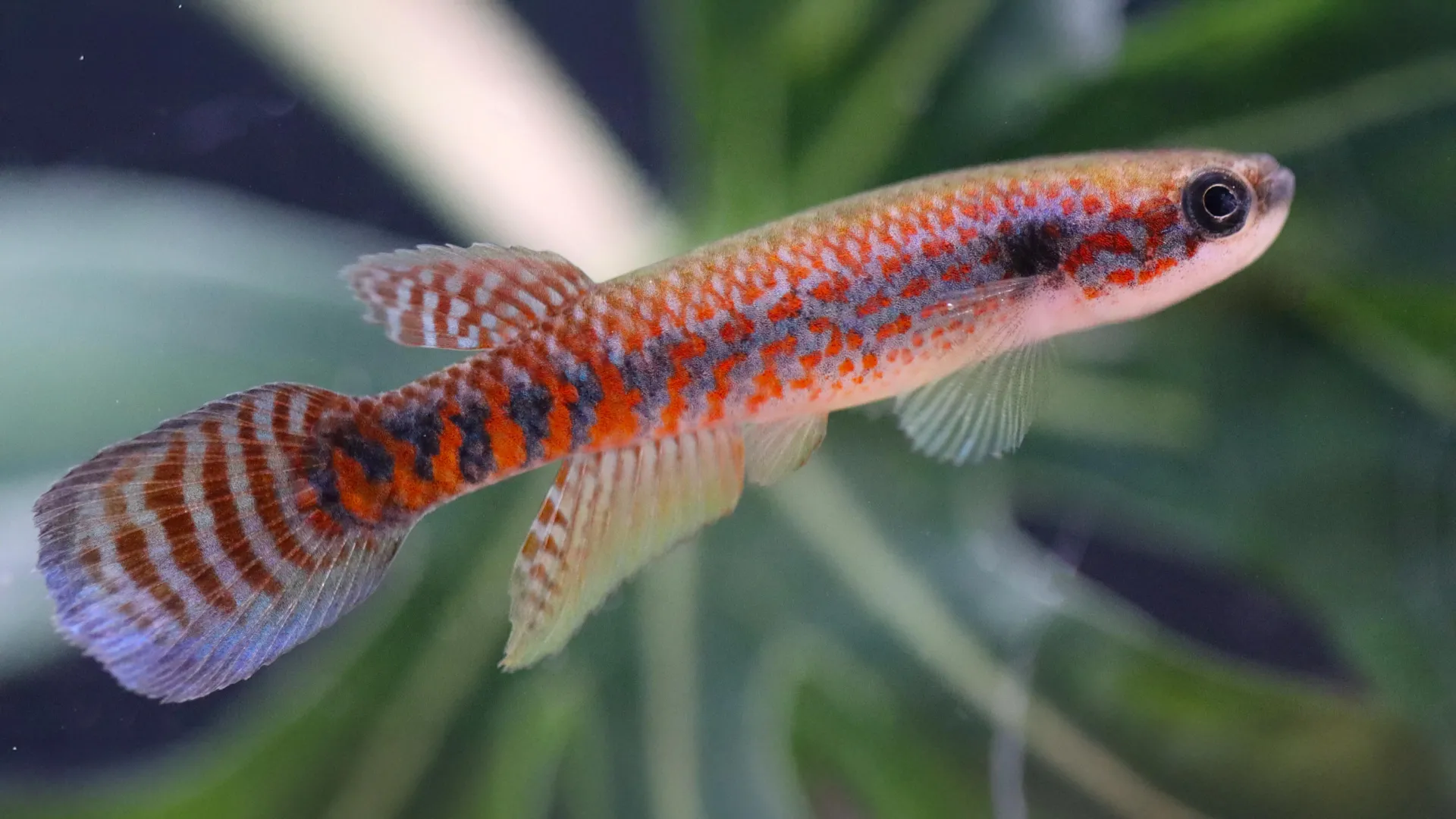
Key points
- Scientists found a tiny orange-marked killifish, Laimosemion laranja, in forest pools in Brazil's Amapá state.
- The fish lives in only three small pools and its known range covers about 25 square kilometers.
- Researchers say it meets IUCN criteria for Endangered and want a nearby reserve expanded.
Scientists have identified a new species of small fish in the Brazilian Amazon, and they warn it may already be at risk of extinction. The fish, named Laimosemion laranja, was found in a few forest pools in the Rio Cajari drainage in southern Amapá, a state in northern Brazil.
The species is a killifish measuring less than three centimeters in standard length. Males have rows of bright orange spots along the front half of the body and bold orange chevron patterns near the tail, set against pale gray sides.
How the species was confirmed
The team included researchers from the Universidade Federal do Rio Grande do Norte, Instituto Peixe das Nuvens, Universidade Federal do Pará and University of West Florida. They were studying how Rivulidae fish have evolved life cycles and survival strategies across Brazilian environments.
Coloration alone was not enough to establish a new species. The researchers examined body proportions, counted scales, studied skeletal features, compared the fish with close relatives and analyzed mitochondrial DNA, which confirmed it was previously unrecognized. The name laranja means orange in Portuguese and also refers to Laranjal do Jari, the municipality where the fish was found.
During our sampling in small rivers locally known as 'igarapés' in the Rio Cajari region, in Amapá State, we found this fish with a very striking coloration, which immediately caught our attention.
— Yuri Abrantes
Threats to the fish
The fish has been found in only three small forest pools near Laranjal do Jari, and every known location shows signs of environmental disturbance. Deforestation, mining and urban development are pressuring the surrounding habitats. One pool is near water discolored by sediment from mining, and another is within the city, where plastic pollution affects the environment.
The species' entire known range is estimated at just 25 square kilometers. The researchers believe it meets the criteria for Endangered under International Union for Conservation of Nature guidelines. They have recommended expanding the boundaries of the nearby Rio Cajari Extractive Reserve to include the areas where the fish lives. The study was published in Zoosystematics and Evolution.