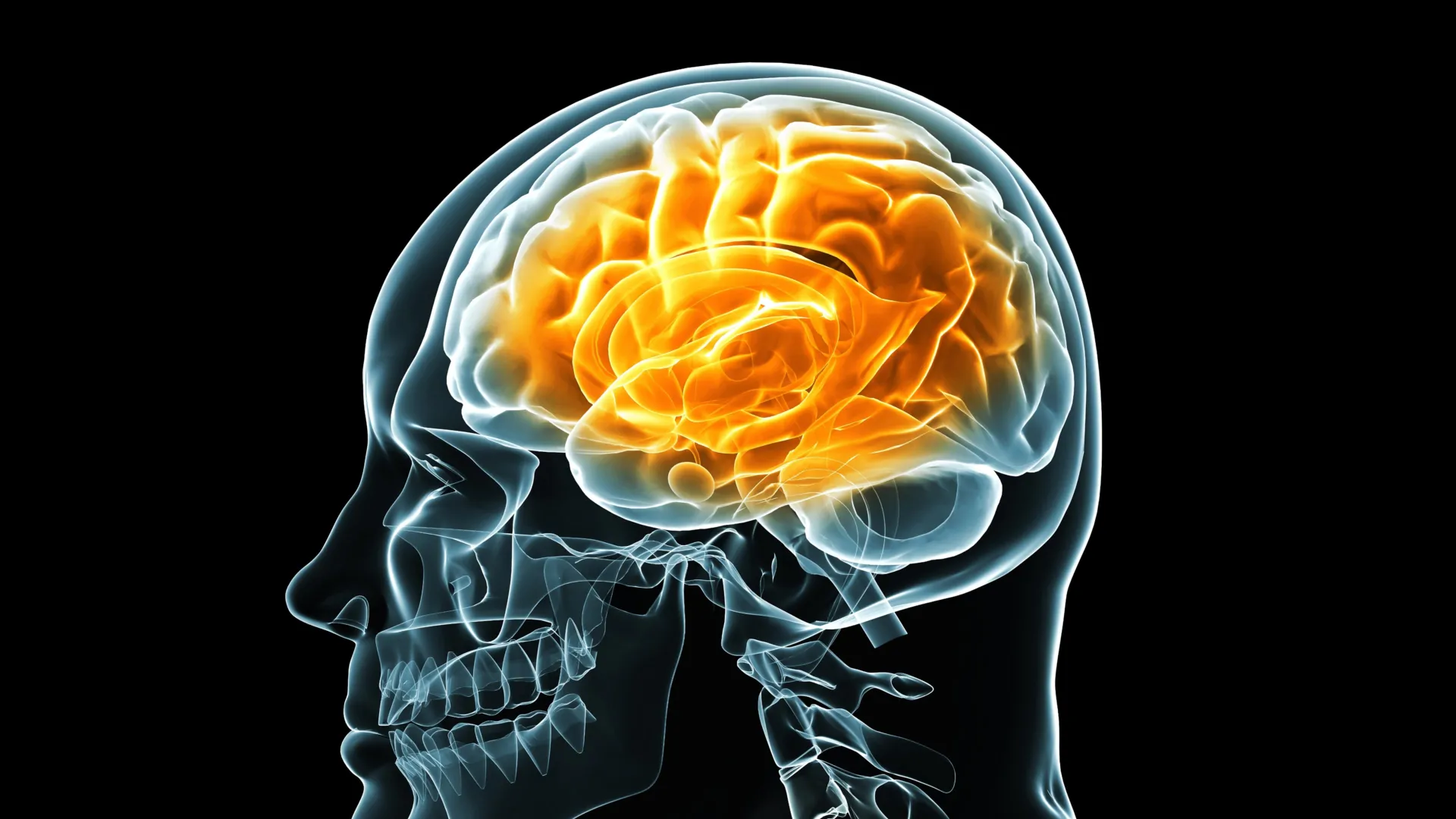
Scientists may have finally explained why our brains and bodies are cross-wired
Scientists propose that the brain’s mysterious cross-wiring, which connects each hemisphere to the opposite side of the body, may have originated more than 500 million years ago in the visual systems of ancient fish. Rather than evolving for a specific advantage, this unusual arrangement may simply be a legacy of evolution building new brain circuits on an ancient foundation.
Key points
- Researchers propose that crossed brain-body wiring may trace back to ancient visual circuits in early vertebrates.
- The optic chiasm and optic tectum, found in all vertebrates, route visual information to the opposite side of the brain.
- The study suggests evolution reused an old crossed arrangement rather than creating new pathways for a survival benefit.
Neuroscientists Dr. Martin Wessendorf of the University of Minnesota and Daniel Wang have proposed an explanation for why the brain's left side controls the right side of the body and vice versa. Their study, published in Frontiers in Neuroanatomy, suggests the crossed wiring may have developed because evolution built new brain circuits around an ancient visual system.
The researchers examined several cross-wired neural circuits in four-limbed animals, including pathways for touch, pain and muscle control, and traced their possible evolutionary origins.
How vision may have shaped wiring
The eye's lens reverses images on the retina, so information from the right visual field reaches the left side of the brain and vice versa. Some of these signals reach the optic tectum, an ancient midbrain structure that helps produce fast reactions to visual events and contains a representation of the opposite visual field.
Because the optic tectum exists in every vertebrate species, the researchers suspect the structures were already present in primitive jawless fish during the Cambrian Period, approximately 538 to 486 million years ago. They say fossilized skulls from ancient jawless fish could be examined to test the hypothesis.
evolution built new brain circuits around an ancient visual system
— the researchers
Sensory and movement pathways
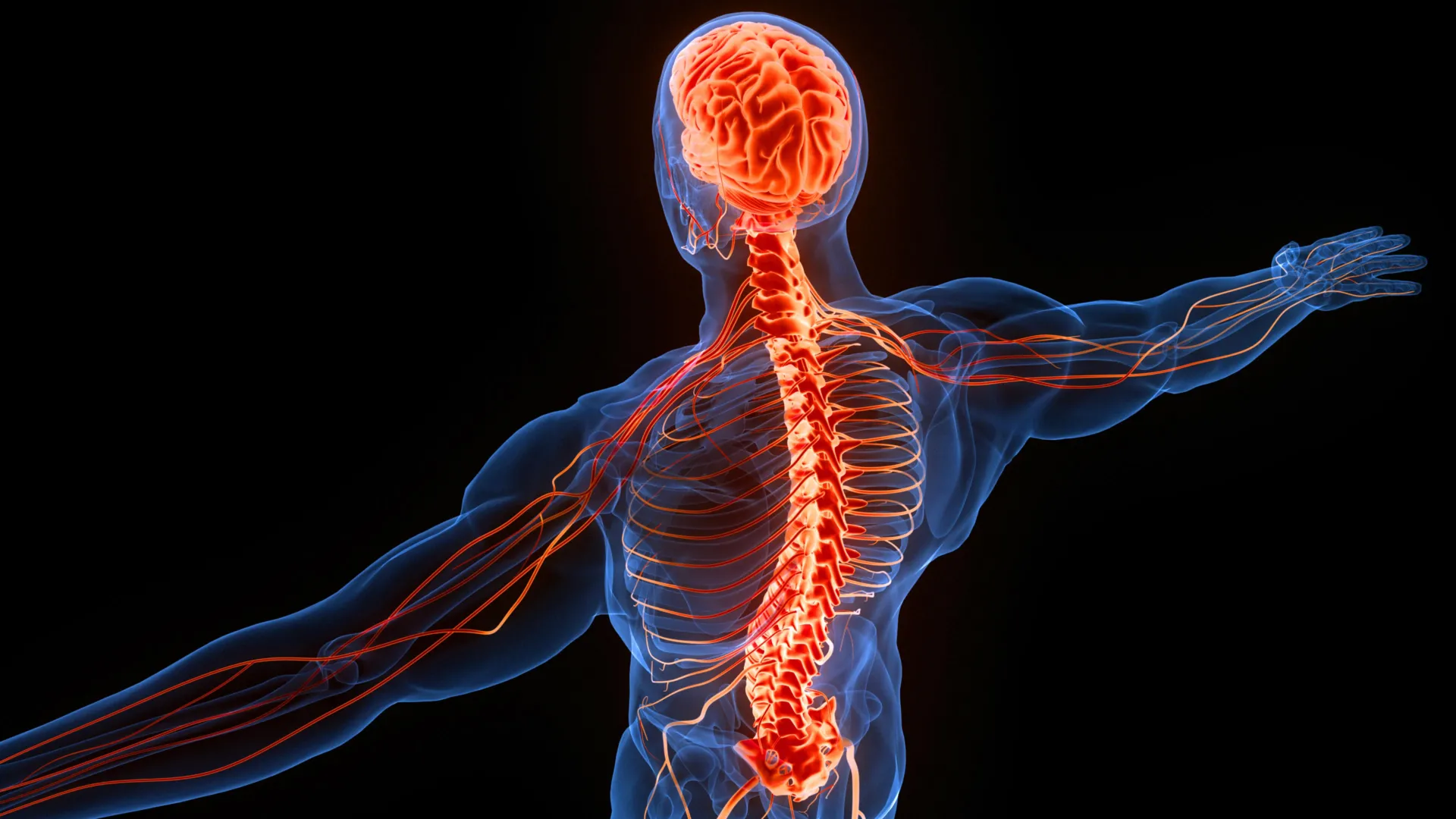
The study describes two sensory pathways that cross the midline: the dorsal column pathway, which carries information about gentle touch, vibration and body position, and the spinothalamic tract, which transmits pain, itching and certain types of touch. It also identifies three muscle-controlling pathways that connect one side of the brain with the opposite side of the spinal cord.
The corticospinal tract, important for precise movements such as finger control in humans, varies among animals. The researchers suggest humans may have developed fine motor abilities by adapting an older circuit originally involved in controlling sensory input.
An inherited arrangement
The researchers argue the crossed connections did not necessarily arise because controlling the opposite side of the body was inherently more effective. Instead, they may reflect an ancient arrangement that evolution repeatedly reused, meaning the basic organization could predate modern humans by more than half a billion years.