The midterms were a thumping rebuke of the US-Israel relationship
Even Trump seems to recognize that the relationship has become a political liability, and may never be the same On the eve of a midterm election that ended in an unequivocal rejection of his brand of politics, even Donald Trump seemed to recognize that the US-Israel relationship had become a political liability. Trump’s 11th-hour suggestion, on election morning, that he would cut military aid to Israel at the end of…
Key points
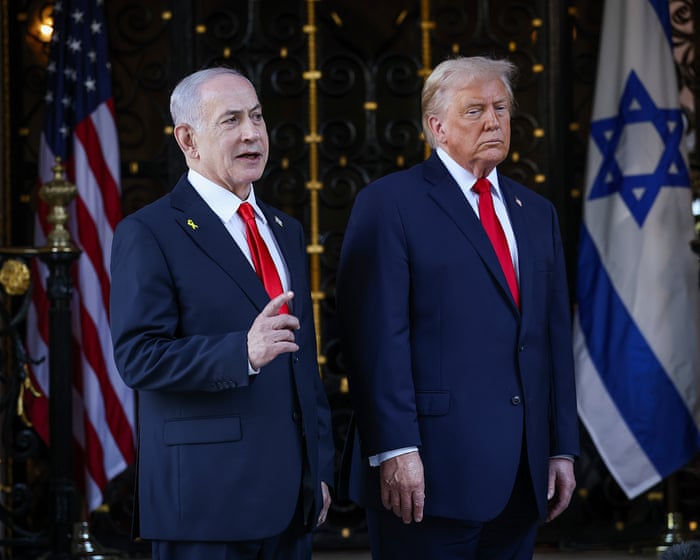
- Trump suggested cutting military aid to Israel on election morning, a move criticized by both pro-Palestinian and pro-Israel advocates.
- Abdul El-Sayed became the first Muslim elected to the US Senate in Michigan despite over $40m spent by Aipac against him.
- Aipac said last month it would stop making direct endorsements and contributions because its support was hurting pro-Israel candidates.
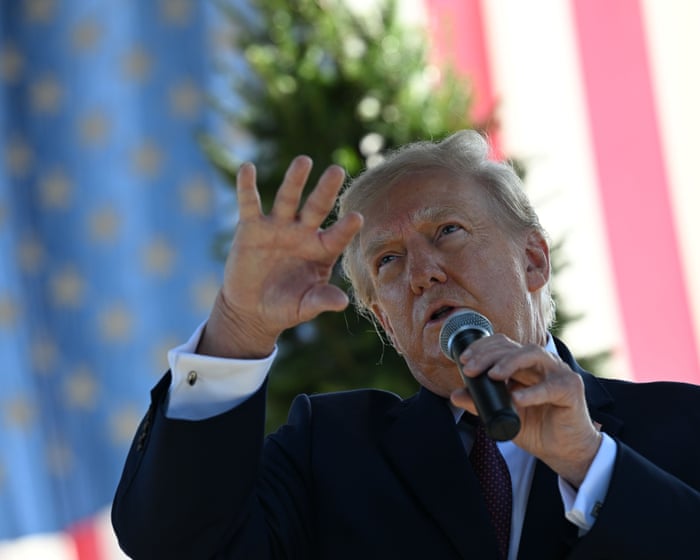
Midterm election results amounted to a broad rejection of the US-Israel relationship, with pro-Palestinian candidates winning races up and down the ballot, according to this analysis in The Guardian. On election morning, Donald Trump suggested he would cut military aid to Israel at the end of the year, saying "they don't need it" — a proposal criticized by pro-Palestinian advocates as desperate and by pro-Israel ones as unserious.
The article says the suggestion, which would replace nearly $4bn in annual military aid with arms sales, signaled little practical change but showed the president recognized support for Israel had fallen amid the war in Gaza, which the article says has killed more than 70,000 Palestinians.
New faces in Congress
Come January, the US House will include an army doctor who went on a medical mission in Gaza, a lawyer fired by her firm over a blogpost criticizing Israel's war, a Jewish lawmaker recently detained by Israeli forces while helping Palestinians harvest olives in the occupied West Bank, and a community organizer who took part in a pro-Palestine student encampment.
In Michigan, Abdul El-Sayed became the first Muslim elected to the US Senate, after a campaign in which Aipac spent more than $40m trying to defeat him. Exit polls showed he won a majority of Jewish voters, and J Street said its polling found 72% of Jews voted for Democrats on Tuesday.
If you believe in equal rights to peace, dignity, and self determination, that's not hate, it's love.
— Abdul El-Sayed
Aipac and the old consensus
Aipac acknowledged last month that its open support was hurting pro-Israel candidates more than helping them, and announced it would stop making direct endorsements and contributions. Beth Miller, political director of Jewish Voice for Peace Action, said: "The old bipartisan consensus on Israel is over."
The article says the results also rejected Trump's war in Iran, and that Democrats are not unified on Israel and Palestine. Matt Duss of the Center for International Policy said Democrats must now decide whether to become the party opposed to war.