The problem with 'good debt': Why borrowers should think twice about the label
Mortgages and student loans are often called "good debt." Experts say that label can hide the real question: Can you actually afford the risk?
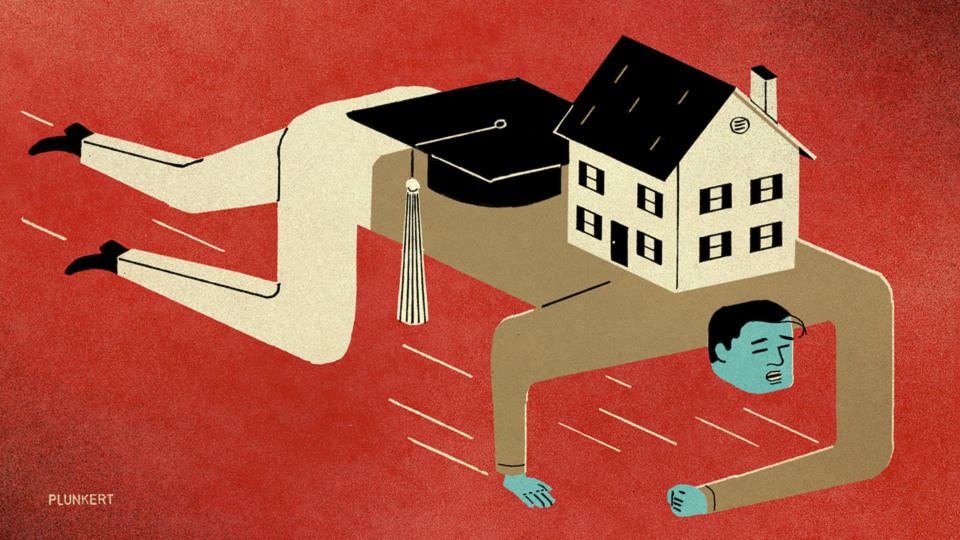
Key points
- Bryanna Hambrick's 2022 home purchase in Columbus, Ohio, came with a monthly payment nearly $200 higher than expected due to a property tax reassessment and a higher mortgage rate.
- Experts say the 'good debt' label for mortgages and student loans can downplay risks and lead borrowers to overextend themselves.
- Sheila Bair, former FDIC chair, advises avoiding debt and planning to stay in a home at least five years.
Bryanna Hambrick bought a three-bedroom, two-bathroom single-family home in Columbus, Ohio, in 2022, hoping to save on rent and build wealth. Her monthly payment ended up near $1,200, about $200 more than expected, after a property tax reassessment and a higher-than-anticipated mortgage interest rate. Much of her savings went to closing costs, and unexpected home repairs have left her living paycheck to paycheck.
Hambrick's experience illustrates a broader issue experts describe: debt that appears to be a sound investment can still become a financial burden.
The good debt label
Mortgages and student loans are often called good debt because they may help borrowers build wealth or increase earning power. Bad debt typically includes credit card balances and auto or personal loans, which often finance consumption or assets that can lose value.
But financial experts say the good debt label can downplay risk and lead borrowers to overextend themselves. Sheila Bair, an author and advisor who chaired the Federal Deposit Insurance Corporation from 2006 to 2011, said she tries to avoid the term. She said your presumption should always be against debt, calling it a burden on your financial future that is marketed in ways that make it look harmless.
I try to avoid talking about 'good debt'
— Sheila Bair
What borrowers should consider
Bair, a member of the CNBC Global Financial Wellness Advisory Board and former president of Washington College, said young people should not feel pressured to buy a home or borrow for college. She recommends asking whether taking on debt will improve your financial well-being, then examining the details.
Whether a mortgage is sound depends on the home price, loan terms, income stability and financial reserves. Bair said borrowers should make sure a mortgage is affordable and plan to stay at least five years, since home prices rise and fall over time. Financial psychologist Brad Klontz said people should treat debt as a business decision, avoid emotional borrowing and not assume a home or degree will automatically generate wealth.