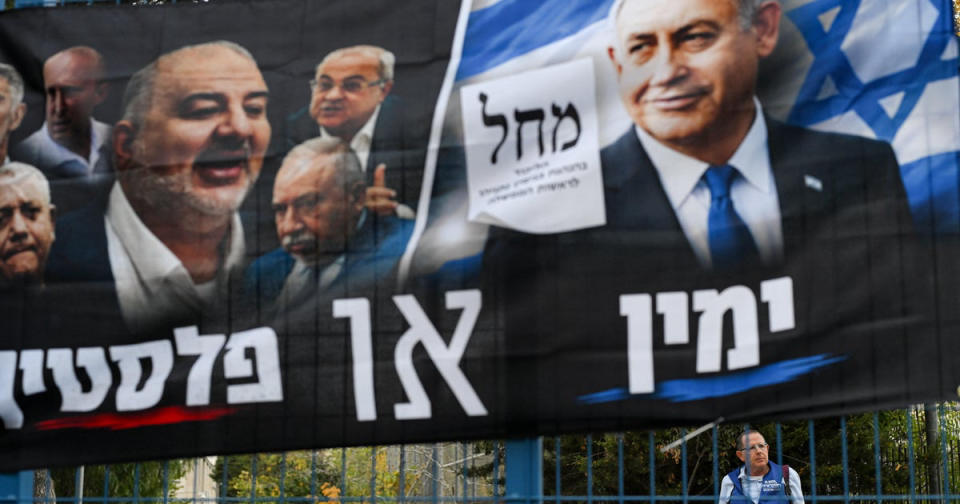
These factors could decide Netanyahu's fate in Israel's election
Israelis are about to vote to choose their next government. The race is wide open, and Benjamin Netanyahu's political fate could hinge on a couple key factors.
Key points
- Israelis vote Tuesday in a tight election that will shape the next government.
- Polls suggest neither bloc may win a decisive majority of the 120 Knesset seats.
- Arab turnout and two new parties could tip the balance toward either side.
Israelis will go to the polls Tuesday in a hotly contested election, with polls showing an extremely tight race as Prime Minister Benjamin Netanyahu fights to keep his job. The vote comes after three years with the country at war on multiple fronts and is the first election since the Oct. 7, 2023, attacks by Hamas.
Polls vary widely. Right-leaning pollsters give an advantage to Netanyahu's right-wing and religious bloc, while left-leaning pollsters favor the so-called change bloc opposing him. Most polls show neither side likely to win a decisive majority of the 120 seats in the Knesset, Israel's parliament.
Possible stalemate and paths forward
The tight margins mean the vote may end in a stalemate. That could lead to protracted negotiations across ideological lines, the formation of a minority government, or even an election do-over. Yohanan Plesner, president of the Israel Democracy Institute, said, "It looks like an indecisive outcome is the most likely outcome."
If neither bloc wins a clear majority, lawmakers could break election promises and switch sides, or the change bloc could seek a minority government with Arab parties' support. If no coalition can be built, the country would hold new elections. Between 2019 and 2022, Israel held five elections due to electoral deadlock.
It looks like an indecisive outcome is the most likely outcome
— Yohanan Plesner, president of the Israel Democracy Institute
The two main factions
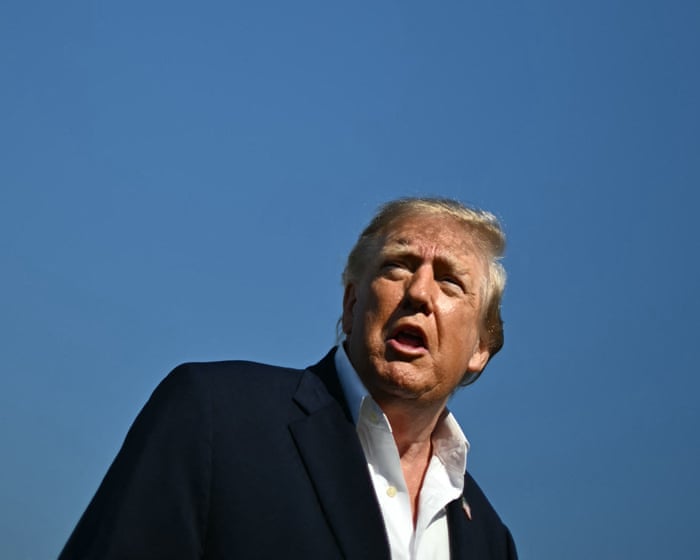
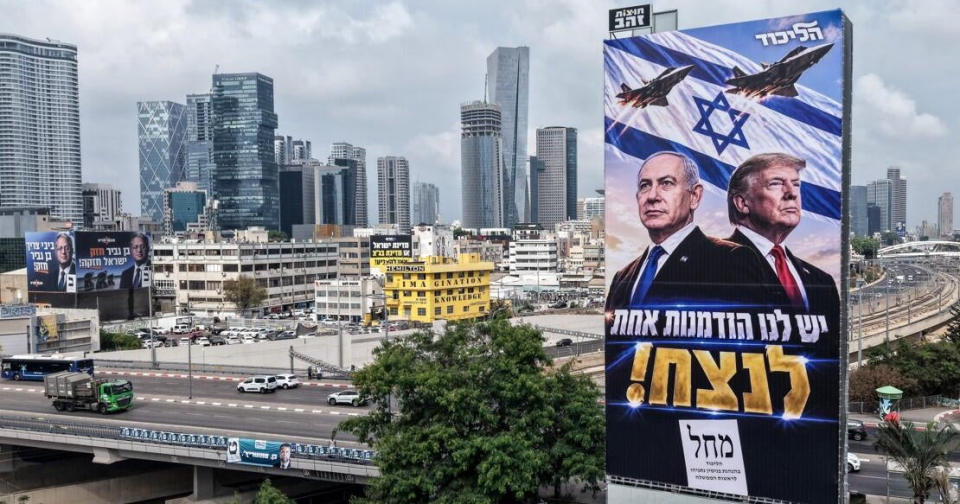
Netanyahu, Israel's longest-serving prime minister and leader of Likud, is seeking another coalition with ultranationalist and Jewish religious parties. He argues only he can form a government without Arab parties and that he needs more time to finish Israel's ongoing campaigns in Gaza, Lebanon and Iran. President Trump endorsed him last week, warning he might not continue the joint campaign against Iran if Netanyahu does not stay in power.
The change bloc is a diverse group of Arab, right, left and center parties united by the goal of removing Netanyahu. Its front-runner is former military chief Gadi Eisenkot of the centrist Yashar party, who lost his son and two nephews serving in Gaza. He has promised a state inquiry into the Oct. 7 security failure, which Netanyahu has blocked.