This bird flies thousands of miles, but its wings have a catch
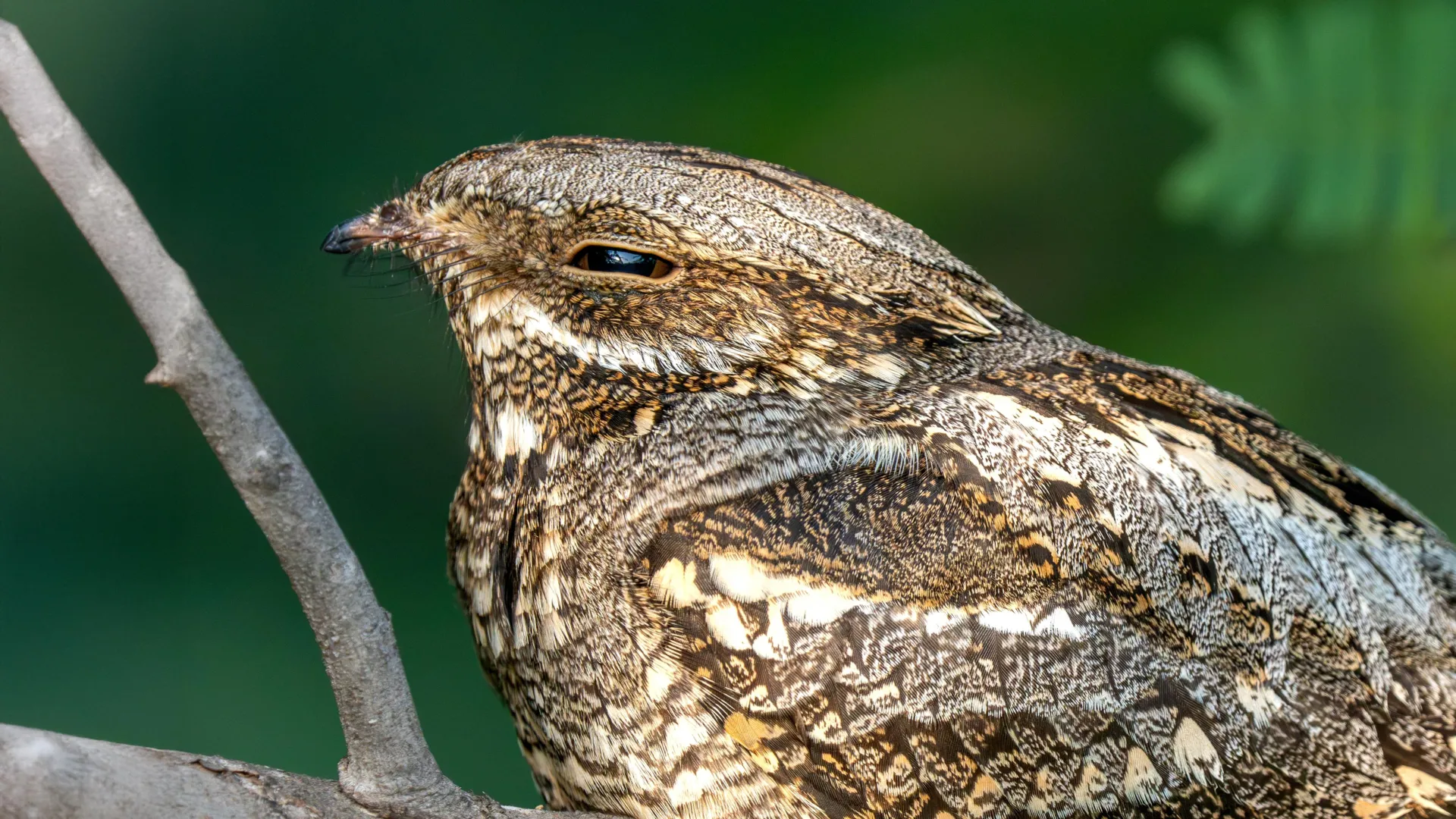
Scientists have uncovered an unexpected trade-off in the wings of the European nightjar, a bird that migrates thousands of kilometers but sacrifices high-speed flight efficiency to hunt insects with remarkable agility. Even more surprisingly, it generates thrust on the upward wingbeat, a technique that could inspire new flying technologies.
Key points
- Lund University researchers found European nightjars trade flight efficiency for agility in wind tunnel tests.
- The birds' broad wing tips make lift generation less efficient at higher speeds.
- Nightjars generate thrust during the upstroke, a technique previously linked mainly to bats and insects.
Scientists at Lund University have found that the European nightjar, a bird that migrates annually between Europe and southern Africa, sacrifices flight efficiency for agility, according to a study reported by ScienceDaily. The nightjar is a nighttime hunter that must also catch insects while flying slowly and making sharp turns.
The researchers studied the birds in a wind tunnel, recording their movements at different speeds and measuring airflow patterns behind their wings. The findings challenge the assumption that long-distance migrants have wings optimized mainly for efficient flight.
Wing tips and lift
The experiments showed that the nightjar's broad wing tips, which likely aid maneuvering in slow flight, become a disadvantage at higher speeds, where the wings generate lift less efficiently. Lift is the aerodynamic force that keeps a bird airborne.
Christoffer Johansson, an associate professor at Lund University, said the wings appear to be a compromise between several demands, allowing slow, maneuverable hunting flight at the cost of reduced lift efficiency at higher speeds.
This runs counter to the intuitive image of a long-distance migrant as a perfectly optimized flying machine.
— Christoffer Johansson
Thrust on the upstroke
The team also found that the nightjar keeps generating thrust, the force that propels it forward, even as it raises its wings during the upstroke. Such active upward wing movement has previously been linked mainly to bats and insects rather than birds.
Johansson said the same type of aerodynamic solution seems to appear in quite different animals. The researchers now want to investigate how common this mechanism is among other birds and flying animals, and say the work could inspire new flapping aircraft.