US supreme court sides with Republicans on rejecting student IDs in New Hampshire midterms
Voting rights advocates say directive would disenfranchise young and low-income voters, but Republicans say it’s needed to combat voter fraud US politics live – latest updates The US supreme court has cleared the way for New Hampshire to prohibit student IDs as a form of voter identification ahead of November’s midterm elections. In a brief unsigned order, justices sided with a Republican National Committee…
Key points
- The US supreme court allowed New Hampshire to bar student IDs as voter identification before November's midterms.
- Justices cited a rule against changing election rules close to election day; Ketanji Brown Jackson dissented.
- Voting rights advocates say the directive could disenfranchise young and low-income voters.
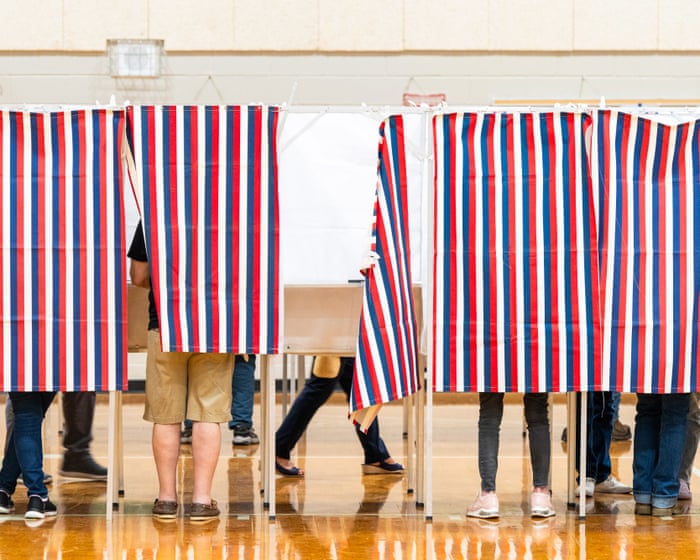
The US supreme court has cleared the way for New Hampshire to prohibit student IDs as a form of voter identification ahead of November's midterm elections. In a brief unsigned order, the justices sided with an appeal backed by the Republican National Committee, citing a longstanding rule that lower federal courts should not alter election rules too close to election day.
The dispute stems from a directive by New Hampshire state officials earlier this year stating that student IDs could not be used as identification at the polls, even as a backup under what is known as "safety valve" identification. New Hampshire has required voters to present an ID since 2012, and earlier this year Republican governor Kelly Ayotte signed a law removing student IDs from the list of standard forms of voter ID.
Court battle and dissent
Voting rights advocates challenged the directive, arguing it would disenfranchise young voters who may lack a driver's license or passport, while Republicans said it was needed to combat voter fraud. A lower court judge blocked the directive, prompting state officials to ask the supreme court to intervene.
The justices did not disclose how they voted. Ketanji Brown Jackson, a member of the court's liberal wing, dissented, arguing the lower court did not err because its judge was asking state officials to correct guidance that "could mislead voters and local election workers".
could mislead voters and local election workers
— Ketanji Brown Jackson
National debate on voter ID
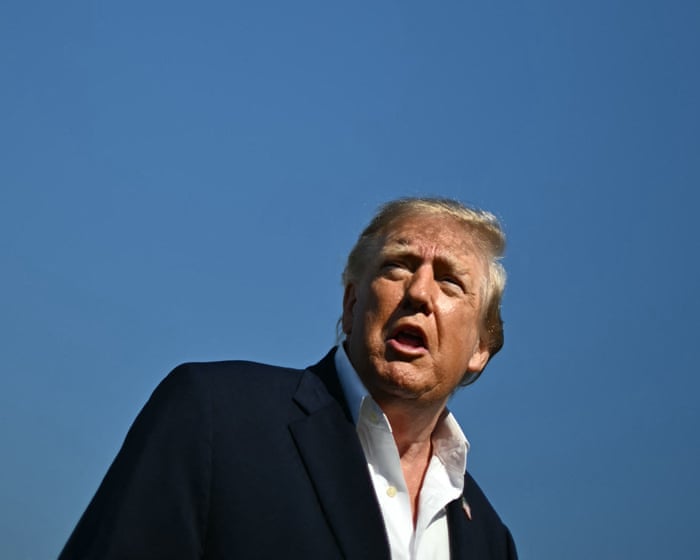
The case reflects a national debate, with Donald Trump and other top Republicans arguing voter ID laws are necessary to prevent mass voter fraud, despite little evidence that fraud affects election outcomes. Advocates say such laws can disenfranchise low-income voters, people without official documents such as birth certificates, and rural voters who may not be able to reach ID services.