AI detects “invisible” signs of pancreatic cancer years before diagnosis
A powerful new AI system could help doctors detect pancreatic cancer years before it becomes visible on conventional scans. The technology, called REDMOD, identified hidden warning signs an average of 475 days before diagnosis and was nearly twice as sensitive as experienced radiologists. By spotting cancer-related changes at their earliest stages, it could dramatically improve the chances of successful treatment…
Key points
- An AI model called REDMOD detected subtle pancreatic tissue changes an average of 475 days before patients received a clinical cancer diagnosis.
- REDMOD achieved 73% sensitivity versus 39% for experienced radiologists, and 68% versus 23% on scans taken more than two years before diagnosis.
- Researchers say prospective testing, especially in high-risk patients, is needed before the system can enter routine medical care.
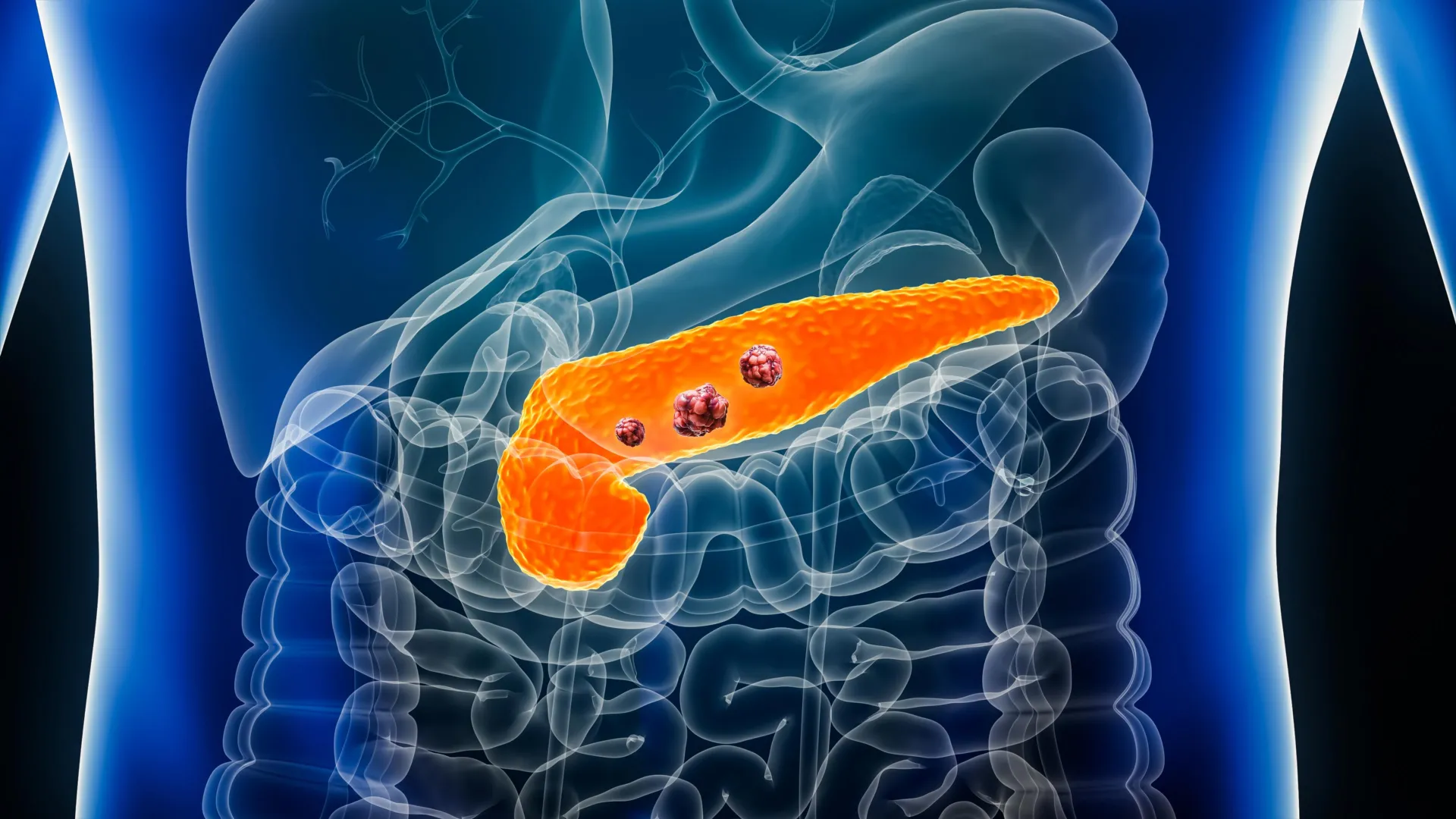
A study published online in the journal Gut reports that an artificial intelligence model called REDMOD can spot very subtle changes in pancreatic tissue that may signal cancer years before doctors or standard imaging can see the disease. The system targets pancreatic ductal adenocarcinoma, the most common form of pancreatic cancer.
Researchers say the approach could allow diagnosis at stage 0, when treatment is more likely to succeed, rather than after the cancer has reached an advanced and potentially terminal stage.
How the model was tested
The team examined abdominal CT scans from 219 patients at multiple hospitals. Radiologists had found no cancer signs in these scans at the time, but every patient was later diagnosed with the disease. Scans were taken at varying intervals beforehand: 3 to 12 months for 87 patients (40%), 12 to 24 months for 76 (35%), and more than 24 months, up to about three years, for 56 (25%). In 64% of patients, the cancer arose in the head of the pancreas.
These images were compared with scans from 1243 people who stayed free of pancreatic cancer for up to three years, matched by age, scan dates and sex. REDMOD identified early imaging signatures an average of 475 days before clinical diagnosis, and it detected cancer far more often than radiologists: 73% sensitivity against 39%, and 68% against 23% on scans taken more than two years before diagnosis.
This temporal window holds profound significance, as attaining such early detection would substantially augment the probability of cure and improved survival
— the researchers
Caveats and next steps
The researchers note that the study group lacked sufficient ethnic diversity, which could affect performance across populations. They say the system needs prospective testing, particularly in people at higher risk, such as those with unexplained weight loss or recently diagnosed diabetes, before its clinical usefulness can be confirmed.