Scientists reveal the hidden danger of missing blood pressure medication
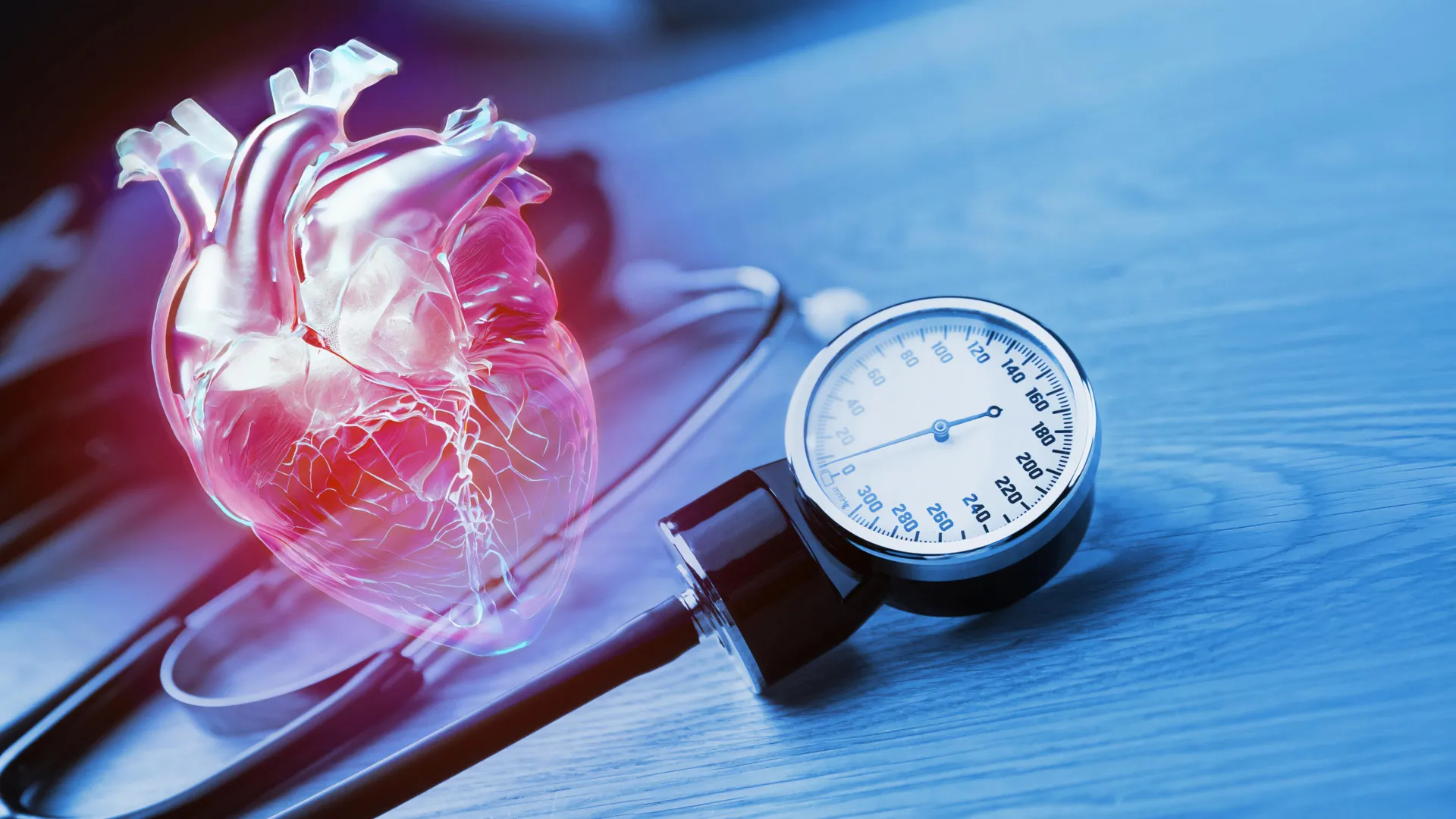
Missing blood pressure medication could mean losing much of its protection against heart attacks and strokes, according to an analysis of more than 91,000 people. Patients who consistently took their medication experienced an 11% reduction in major cardiovascular events, while those who missed too many doses saw little or no measurable benefit.
Key points
- An analysis of randomized trial data from 91,339 participants found that lower adherence to blood pressure medication produced little or no cardiovascular benefit.
- Participants taking at least 80% of their medication had an 11% lower incidence of major cardiovascular events, while those with lower adherence saw no statistically significant reduction.
- Researchers recommend routine adherence assessments, simpler medication schedules and longer-acting drugs to help patients stay consistent.
Missing doses of blood pressure medication may substantially weaken its protection against heart attacks, strokes and other serious cardiovascular problems, according to findings presented at ESC Congress 2026. An estimated 1.4 billion adults aged 30 to 79 worldwide have high blood pressure, and about half of patients do not take their prescriptions as directed.
Researchers led by Miss Qianqian Yang of the University of Oxford, UK, analyzed individual patient data from 91,339 participants across nine clinical trials. Previous evidence came from observational studies that could be confounded by other factors, so the team used randomized trial data to assess the true impact of adherence.
How adherence changed results
Participants who took at least 80% of their assigned medication were classed as having higher adherence; those below 80% were in the lower group. Adherence declined over time even in trial settings, falling from 88% in the first year to 79% by the fifth year.
Among higher-adherence participants, systolic blood pressure was 5.2 mmHg lower in the intervention group than in the comparator group, compared with a 3.0 mmHg difference for lower-adherence participants. Higher adherence was linked to an 11% lower incidence of major cardiovascular events, while lower adherence showed no statistically significant reduction.
drugs don't work in patients who don't take them
— Miss Qianqian Yang
What researchers recommend
The researchers say helping people take medication consistently should become a greater priority in hypertension care. They recommend routine assessments of adherence, better patient education and practical strategies such as simpler schedules, combination pills and longer-acting drugs.
Professor Felix Mahfoud, Chair of the ESC Communication Committee, said non-adherence has been neglected as a cause of uncontrolled hypertension and called for open, non-judgmental conversations about barriers to taking medication.