The secret to slower aging may be hiding in your gut
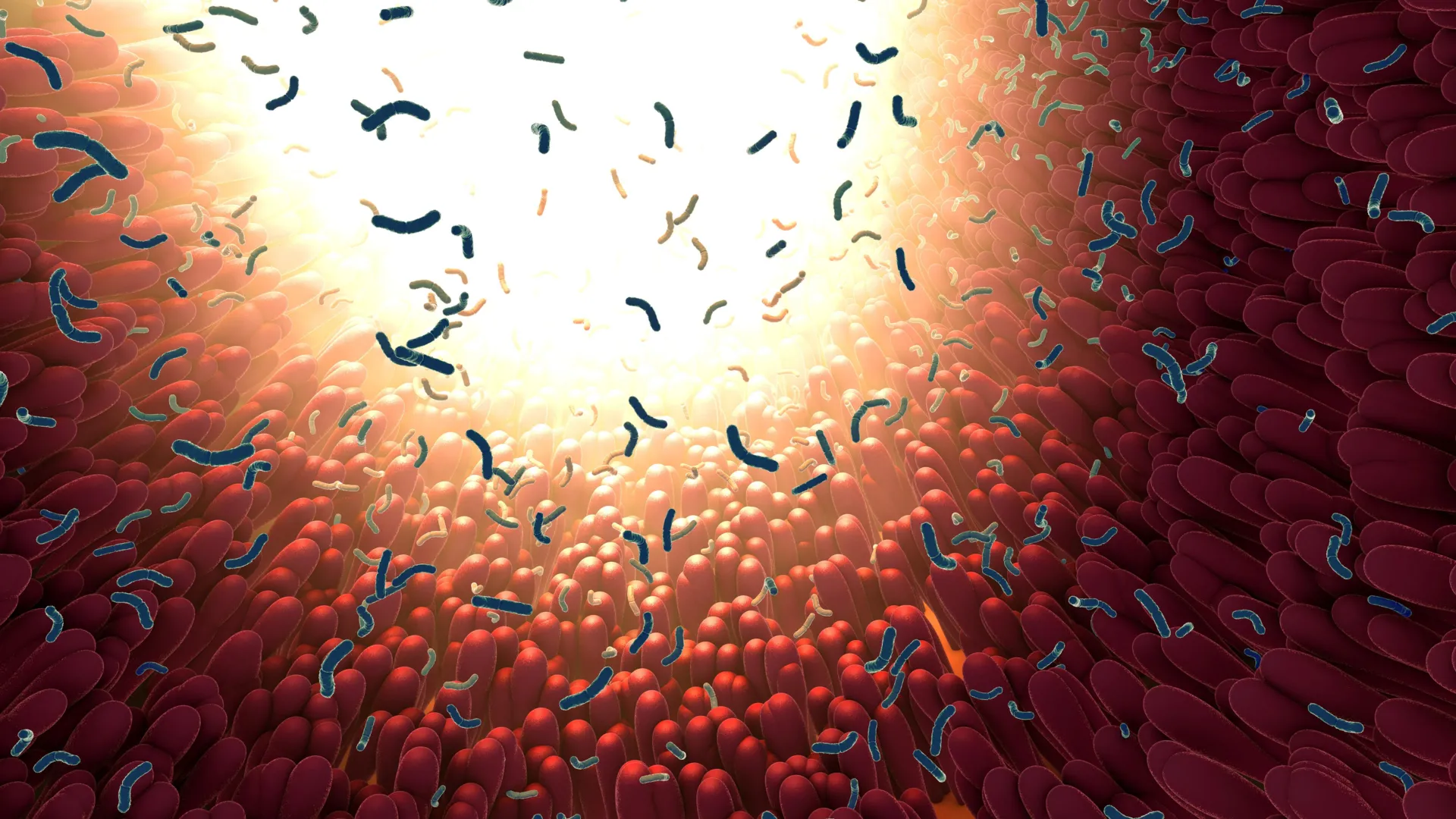
The secret to aging more slowly may be hiding in your gut. Scientists discovered that certain gut bacteria are strongly linked to how quickly the body ages, with microbial differences accounting for about 15% of the variation in biological aging rates. Some bacterial species were associated with slower aging, while others were linked to accelerated aging.
Key points
- Gut bacteria differences accounted for about 15% of variation in biological aging rates among 123 adults.
- Bifidobacterium adolescentis was linked to slower aging; Succinivibrio dextrinosolvens to faster aging.
- The study shows association, not causation, and further research is needed.
Scientists at the University of Hawaiʻi at Mānoa have found a link between gut bacteria and the speed at which the body ages. The study, published in Scientific Reports, examined stool and blood samples from 123 adults of various ages and compared their gut microbiomes with blood-based molecular markers of aging.
The researchers found that differences in gut bacterial communities accounted for approximately 15% of the variation in participants' biological aging rates. Certain microbes were associated with slower aging, while others were linked to faster aging.
Key microbial associations
The study used DunedinPACE, a biomarker that measures the pace of biological aging. Bifidobacterium adolescentis was among the species most strongly associated with slower aging, while Succinivibrio dextrinosolvens showed one of the strongest links to faster aging.
The research also included Native Hawaiian and Pacific Islander participants, groups historically underrepresented in aging and microbiome studies. Co-author Ruben Juarez noted that the microbiome "exists at the intersection of behavior, environment and human biology."
This is an important early step toward understanding the gut microbiome's relationship with healthy aging
— Alika K. Maunakea
What the authors said
Senior author Alika K. Maunakea said the findings "open important new directions for understanding how modifiable biological systems influence long-term health trajectories and longevity." Lead author Braden P. Kunihiro added that the microbiome is highly responsive to lifestyle, diet, environment and other everyday exposures.
The researchers stress that the study does not establish cause and effect. Further studies are needed to determine whether altering the gut microbiome can influence biological aging or improve long-term health.