Alaska’s monster tsunami sent water 1,580 feet up a mountain
A massive landslide in Alaska triggered the second-highest tsunami ever recorded, sending water and debris 1,580 feet up a mountainside just hours after tourists visited the area. Scientists discovered that the disaster was preceded by several warning signs, including rapid glacier retreat, heavy rainfall, and thousands of tiny seismic tremors. As glaciers retreat, similar disasters could become a growing danger in…
Key points
- A landslide into Tracy Arm, Alaska, on Aug. 9, 2025, sent water 1,580 feet up the opposite fjord wall.
- Researchers say the slide followed rapid glacier retreat, heavy rain and thousands of small tremors.
- The authors argue a monitoring program could have issued alerts a day before the collapse.
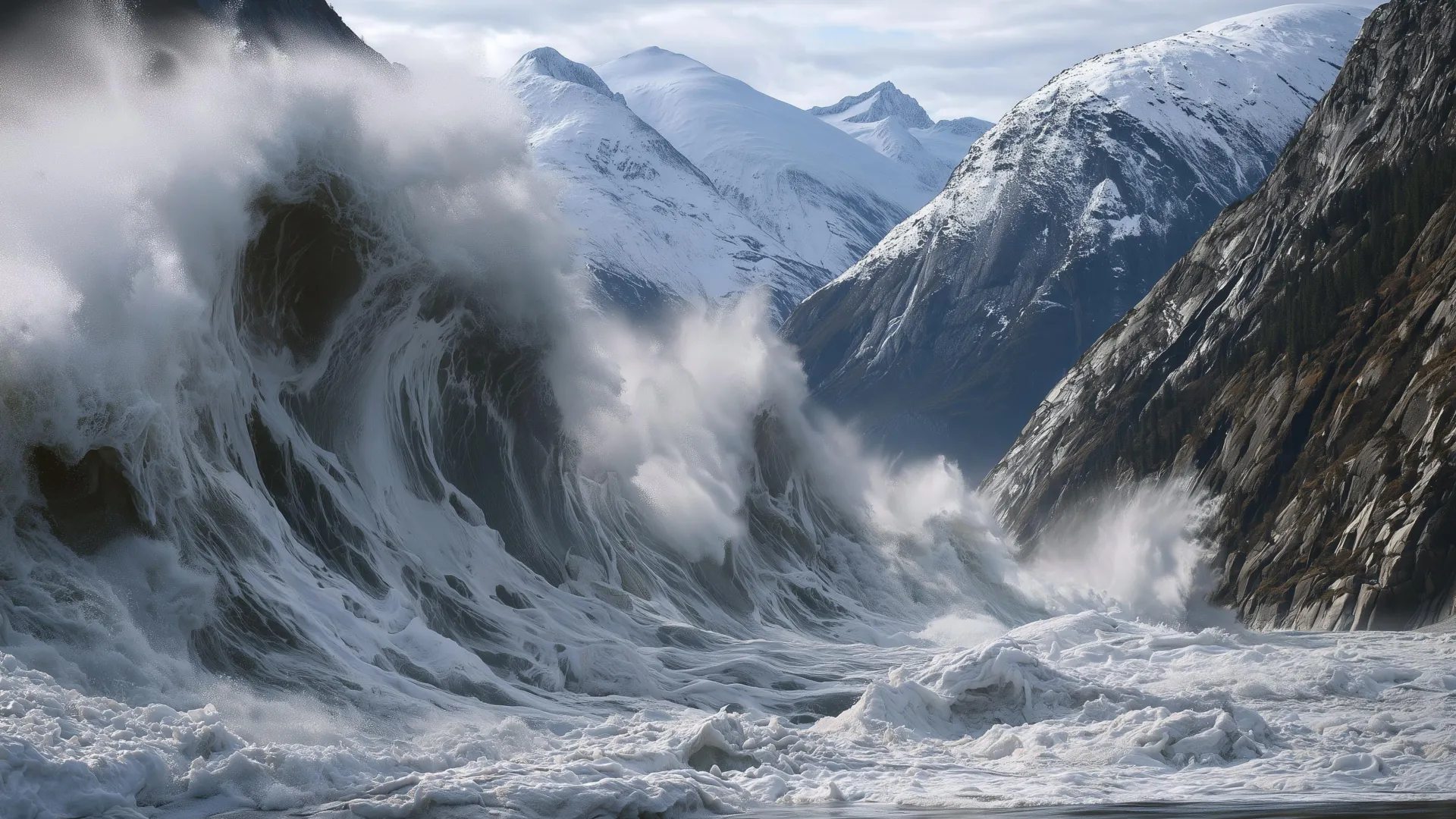
A landslide from a mountain beside Alaska's Tracy Arm fjord on Aug. 9, 2025, sent water and debris 1,580 feet (481 meters) up the opposite side of the fjord, according to a new study by researchers at the Alaska Earthquake Center. The event produced the second-highest tsunami in recorded history, the authors write.
The landslide struck about twelve hours after the Hanse Explorer left the fjord following a visit to the South Sawyer Glacier. No ships were nearby when it happened, and the force of the water stripped the fjord's walls down to bare rock.
Why the mountain collapsed
The authors say landslides are common in Alaska's coastal mountains, where tectonic uplift and ice loss meet erosion from rain and glaciers. They note a pattern of major landslides occurring at the terminus of retreating glaciers, though the mechanics remain poorly understood.
Before the collapse, the glacier below the slide area had retreated more than a third of a mile in two months and had lost ice through rapid calving. Heavy rain had also fallen, and thousands of small seismic tremors came from the slide area in the days before the mountainside gave way.
a continuous "hum" of seismic energy
— the study authors