Blue Planet III is keeping the rough edges in the age of AI
BBC's Blue Planet III is looking to prove its authenticity by leaving in the less-than-perfect shots. Previous incarnations of the nature series were defined by their gorgeous, crystal-clear footage that seemed almost too good to be real. But one dead giveaway of AI is when things look too polished and seamless. To counter that, Blue Planet III goes warts and all. Executive Producer Elizabeth White told The Guardian…
Key points
- Blue Planet III leaves in imperfect shots to prove its footage is authentic in the age of AI.
- Executive Producer Elizabeth White said real ocean creatures are more remarkable than AI could imagine.
- The series shows dolphins using sea sponges, inter-species fish communication and 200,000 crabs in formation.
BBC's Blue Planet III is deliberately keeping less-than-perfect shots to show its footage is authentic, according to The Verge. Earlier nature series were known for crystal-clear images that seemed almost too good to be real, while AI-generated footage often looks overly polished and seamless.
Executive Producer Elizabeth White told The Guardian that in the past, the amount of plankton and other material floating in the water would have led the team to cut a shot. They might also have framed out a boat or a buoy, or decided the water conditions were not good enough. This time, those elements are left in to present a more authentic, organic view of the oceans.
What the series shows
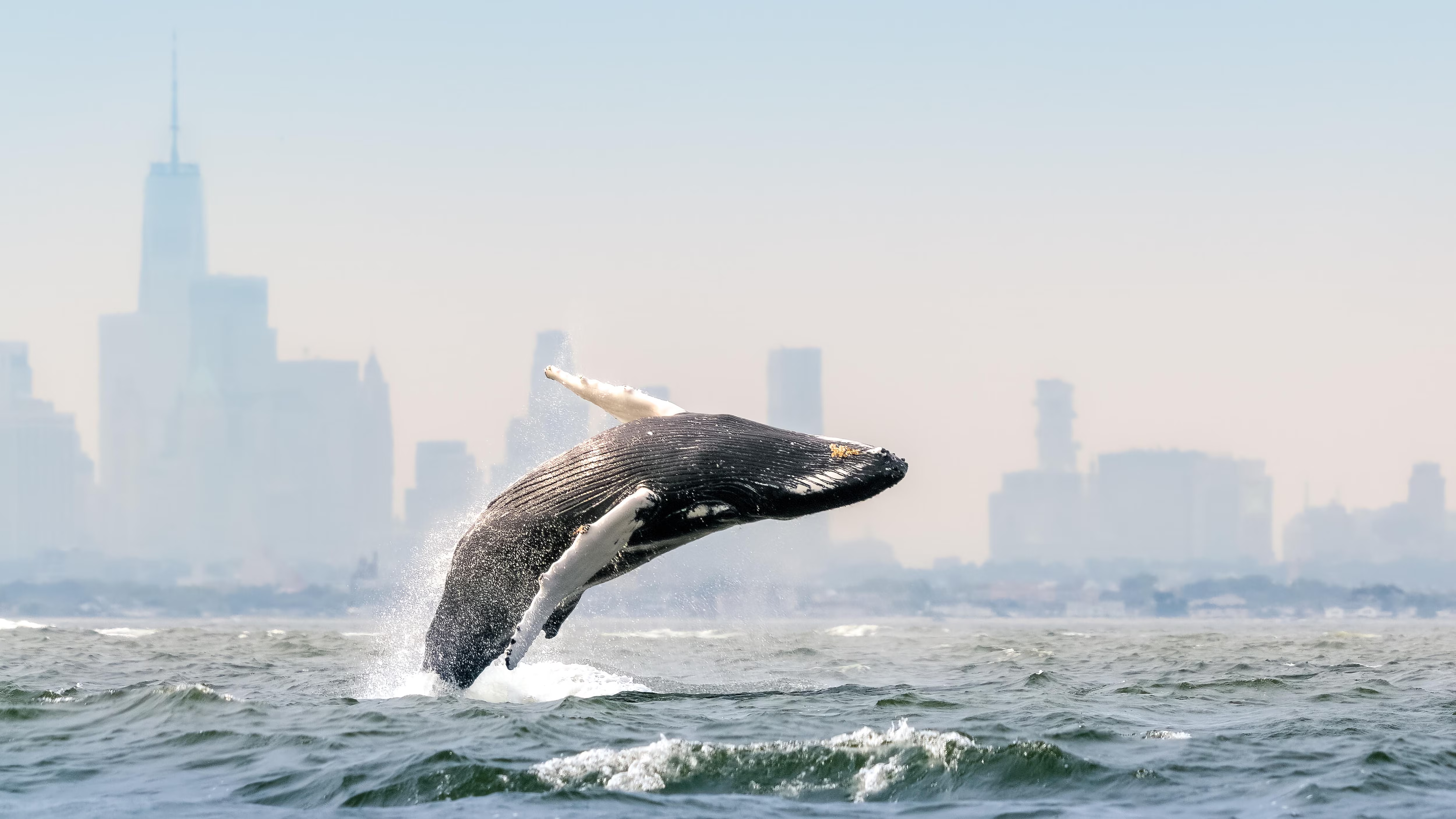
The series features dolphins trapping fish by plugging holes with sea sponges, communication between different fish species, and 200,000 crabs lining up in formation to feed. White said real ocean creatures are probably more remarkable than AI could imagine.
are probably more remarkable than AI could imagine
— Elizabeth White