Brain cells meant to protect us may be fueling cognitive decline
Scientists have uncovered a surprising cause of age-related cognitive decline involving brain cells previously thought to be entirely beneficial. As these cells become dysfunctional, they can produce abnormal amounts of myelin, disrupting nerve fibers and potentially contributing to worsening memory and thinking skills.
Key points
- Researchers linked faster cognitive decline to fewer large nerve fibers and abnormal myelin buildup in brain tissue.
- People with greater decline had lower levels of the protective protein NRF2 in oligodendrocytes.
- Mouse experiments showed reducing NRF2 in these cells caused similar myelin and nerve fiber changes.
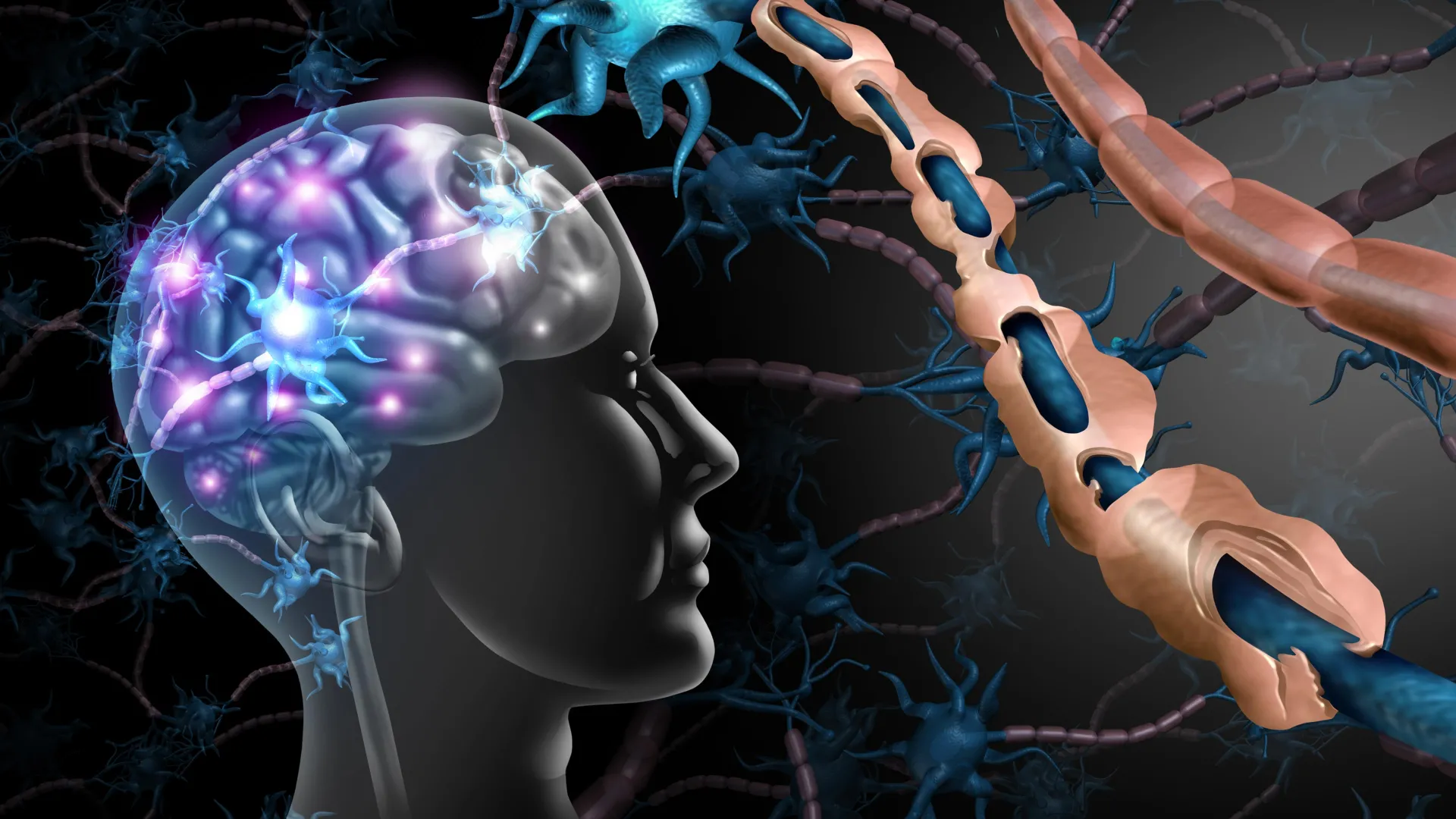
Brain cells that maintain the protective coating around nerve fibers may contribute to cognitive decline in old age, according to research published in Nature Medicine. Scientists found that these cells, called oligodendrocytes, can become dysfunctional with age and may damage nerve fibers, potentially affecting memory and thinking.
The study was led by researchers from the University of Edinburgh and the UK Dementia Research Institute. It drew on the Lothian Birth Cohort 1936, a group whose cognitive abilities have been tracked from childhood into old age.
What the study found
Of the 1,091 people in the cohort, 866 completed additional cognitive testing after age 70. Nearly all showed some decline, but at widely varying rates. In brain tissue collected after death from a subset of participants, those with greater decline tended to have fewer large nerve fibers and an abnormal buildup of unhealthy myelin, the coating that helps electrical signals travel efficiently.
The researchers also found that people with more severe decline had lower levels of a protein called NRF2 inside their oligodendrocytes. In mice, reducing NRF2 in these cells produced excessive myelin and loss of large nerve fibers, resembling the changes seen in human tissue, and the animals showed reduced improvements in cognitive performance as they aged.
This study has fundamentally shifted how we think about these brain cells in aging.
— Georgina Craig
Possible treatment path
The NRF2 pathway is already targeted by drugs used for other conditions, including a medication prescribed for multiple sclerosis. Earlier studies found that increasing NRF2 activity improved cognitive function in people with MS, raising the possibility that such drugs could eventually be repurposed for age-related cognitive decline, though the article says further research is needed.
The study was funded by the UKRI Medical Research Council and the Canadian Institutes of Health Research, and also involved scientists from the University of Edinburgh's Lothian Birth Cohort studies and Northwestern University.