Daylight saving time is almost over. Here's what to know.
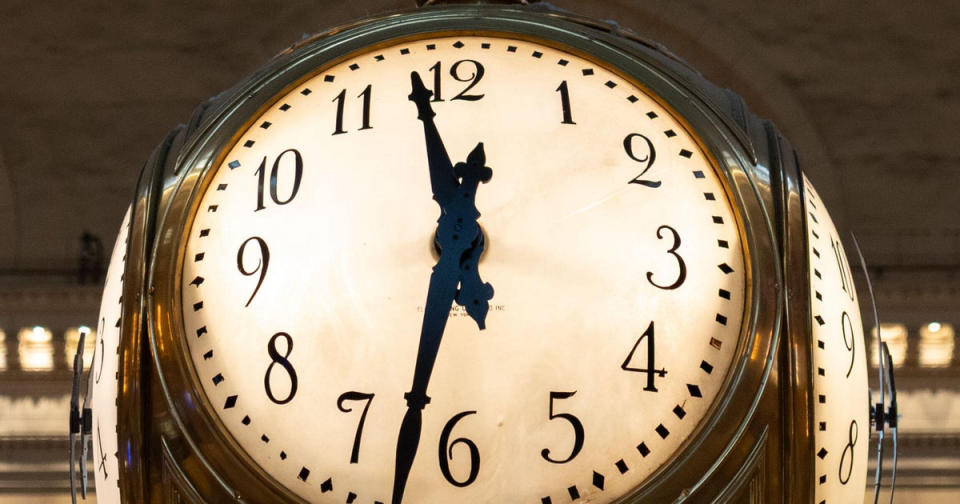
Millions of Americans gain an hour of sleep this weekend when the time change commonly known as daylight savings ends for 2026, meaning clocks "fall back."
Key points
- Daylight saving time ends at 2 a.m. local time on Sunday, Nov. 1, 2026, giving most Americans an extra hour.
- Hawaii and most of Arizona do not observe daylight saving time, nor do several U.S. territories.
- The Sunshine Protection Act passed the House in July and awaits Senate action before bills expire in early January.
Most of the U.S. will gain an hour of sleep this weekend as daylight saving time ends for 2026. Clocks fall back one hour at 2 a.m. local time on Sunday, Nov. 1.
The change returns the country to standard time, bringing daylight earlier in the morning. Daylight saving time is set to begin again on Sunday, March 14, 2027, at 2 a.m. local time.
What the time change means
Daylight saving time runs from March to early November, when most of the U.S. operates one hour ahead of standard time. The shift moves an hour of daylight from morning to evening during the longer spring and summer days.
In Boston, the National Weather Service says the sun will rise at 7:16 a.m. and set at 5:39 p.m. on Saturday. On Sunday, sunrise will be at 6:17 a.m. and sunset at 4:37 p.m.
once Americans experienced absurdly late sunrises in the winter
— Arkansas Sen. Tom Cotton
Where clocks stay the same
Every state observes daylight saving time except Hawaii and most of Arizona. The Navajo Nation in Arizona follows the change to stay on the same time as communities in New Mexico and Utah.
American Samoa, Guam, the Northern Mariana Islands, Puerto Rico and the U.S. Virgin Islands also do not observe daylight saving time. Phones set to update automatically should show the correct time overnight.
Push for year-round daylight time
The Sunshine Protection Act, which would make daylight saving time last all year, passed the House in July and went to the Senate. The bill would also let states opt out before the law takes effect.
President Trump, who supports the bill, accused Arkansas Sen. Tom Cotton of holding it up. Cotton said Congress has tried permanent daylight saving time before and gone back to the twice-yearly change "once Americans experienced absurdly late sunrises in the winter." Bills awaiting approval expire in early January when the new class of lawmakers takes office.