Nintendo’s designers strove for ‘elegance’ when remaking Ocarina of Time
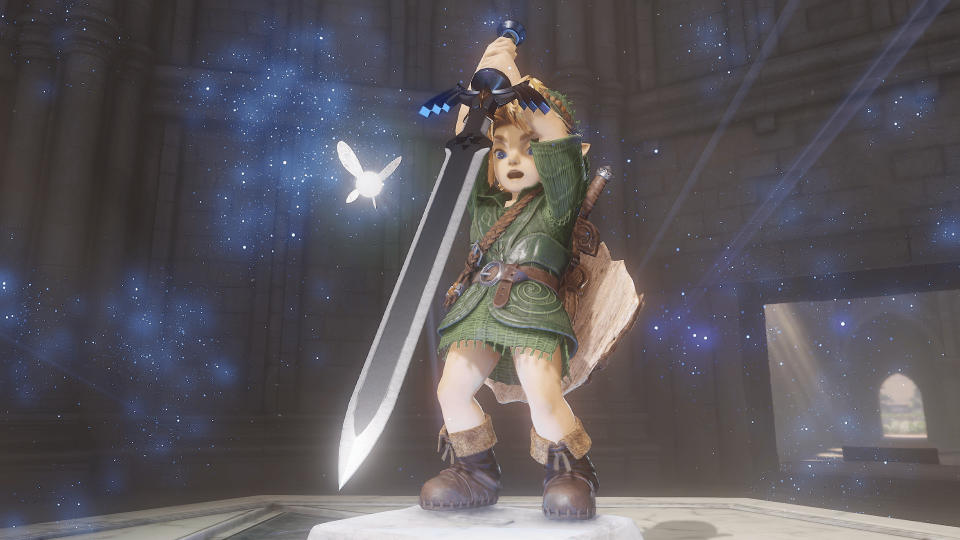
The Ocarina of Time remake on the Switch 2 smashes together the past and present. The game retains much of the original N64 experience while updating it with modern graphics and gameplay that make it feel contemporary. But the mingling of time periods also extends to the development team. While Ocarina's remake was led by producers Eiji Aonuma (a director on the original game who is now the franchise's steward at…
Key points
- Nintendo's Ocarina of Time remake for Switch 2 mixes the original N64 game with modern graphics and gameplay.
- Producers Eiji Aonuma and Hidemaro Fujibayashi led the remake with help from younger developers.
- The remake adds full camera control, free jumping and a less arduous Water Temple.
Nintendo has remade The Legend of Zelda: Ocarina of Time for the Switch 2, keeping much of the original N64 experience while updating its graphics and gameplay. The project was led by producers Eiji Aonuma, a director on the original game, and Hidemaro Fujibayashi, who directed Breath of the Wild and its sequel.
The team also included younger developers, some of whom had never played the original. Fujibayashi said those new voices shaped the remake, telling The Verge that they approached the project "very carefully."
Changes to the original
The remake gives players complete camera control and the ability to jump anywhere, changes meant to connect it to recent Zelda titles. Aonuma said the world had to be adjusted to allow that freedom, and that it carries something forward from Breath of the Wild and Tears of the Kingdom.
The graphics were overhauled to show details of the world players could not see in the original, something Aonuma said the team wanted to do in 1998 but lacked the hardware for. Navi, the fairy guide, still appears but talks much less, and in-game text now records the player's progress. The Water Temple, widely seen as the hardest dungeon in the original, has been modernized and is less arduous.
They're looking for elegance. Only what is needed, only what was important in the original
— Hidemaro Fujibayashi
Looking to the future
Aonuma said the remake was a chance to keep Ocarina's more traditional style of Zelda gameplay alive as the franchise marks its 40th anniversary this year. He said the series has lasted because it uses different approaches across its games.
He added that working with younger staff on the remake brings in new ideas, and that he looks forward to what they will produce in future.