Scientists discover a surprising clue to autism's origins hidden in the placenta
Scientists have uncovered an unexpected connection between inflammation during pregnancy, placental damage, and autism-like traits in male mice, while females appeared naturally protected. The discovery could help explain why autism is diagnosed more frequently in boys and reveal new opportunities for early intervention.
Key points
- Cold Spring Harbor Laboratory researchers linked inflammation in pregnancy to placental damage and autism-like traits in male mice.
- Mouse fetuses were most vulnerable when inflammation occurred 12.5 days into pregnancy, with about one-third showing abnormalities within 24 hours.
- Autism-like traits appeared only in male fetuses across every experiment, while females developed normally.
A new study from Cold Spring Harbor Laboratory has found a connection between inflammation during pregnancy, changes in the placenta, and autism-like traits in male mice. The researchers say the findings suggest some developmental disruptions may begin earlier than previously recognized.
The team triggered an immune response in pregnant mice at different stages of pregnancy using a substance that mimics the immune system's reaction to a viral infection without introducing a virus. Fetuses were especially vulnerable when inflammation occurred 12.5 days into pregnancy, and postdoctoral researcher Irene Sanchez Martin said about one-third showed developmental abnormalities within 24 hours.
Differences between male and female fetuses
Across every experiment, autism-like traits appeared only in males, while females continued developing normally. The difference appeared before many biological changes normally associated with sex-specific development.
Lucas Cheadle, an associate professor at CSHL, said the timing was unexpected because it precedes hormonal surges and sexual differentiation in the brain and other regions.
To truly understand autism spectrum disorder, we have to look beyond the brain
— Lucas Cheadle
Damage to placental cells
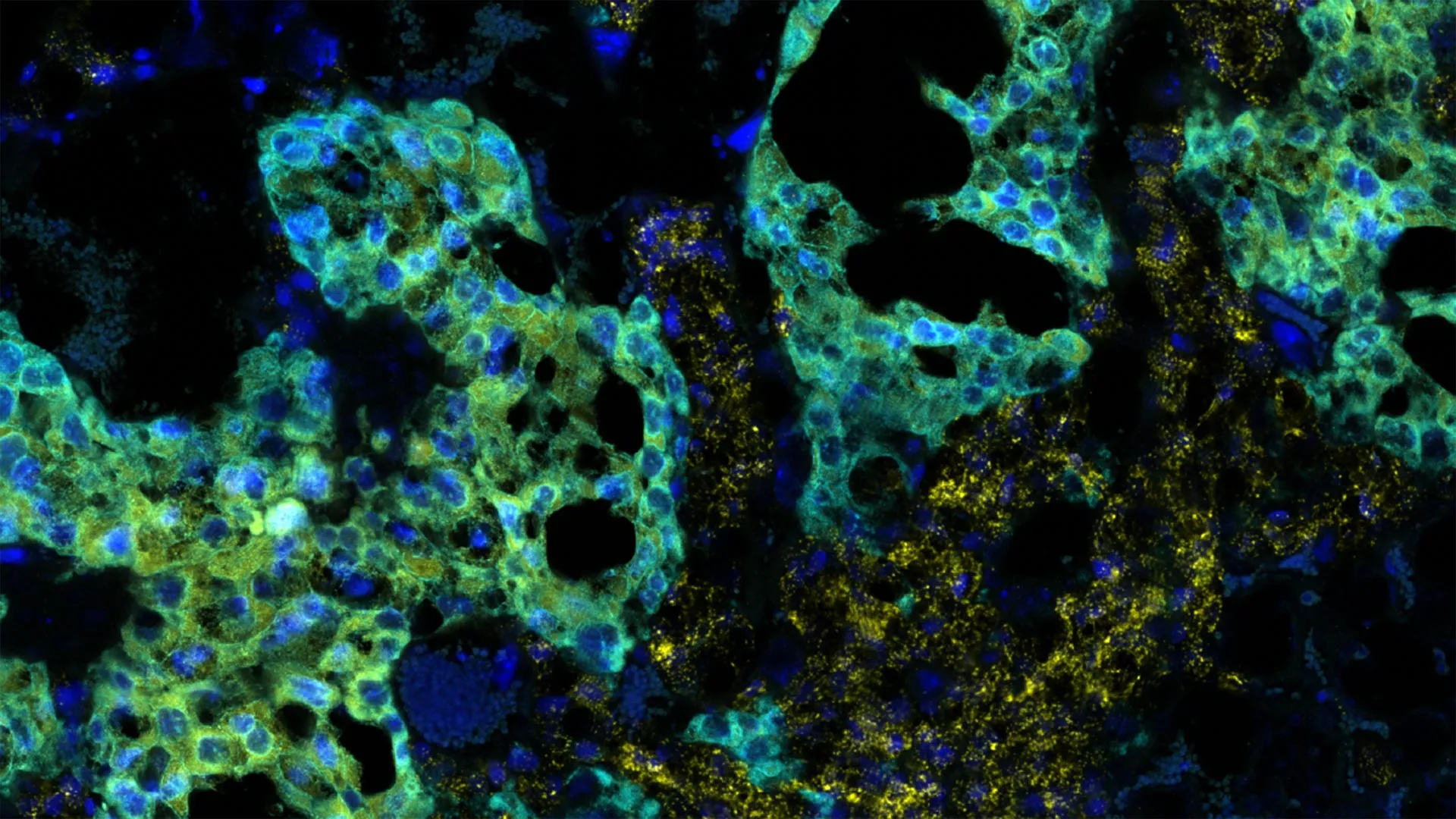
The researchers examined the placenta and focused on specialized cells called spongiotrophoblasts, which sit in a region where maternal and fetal cells interact and help the mother's immune system tolerate the fetus. Male fetuses with developmental abnormalities had visible damage to these cells, while fetuses that developed normally had a healthy version of this placental region.
The team plans to study male and female mice more closely to find the mechanisms behind the differing responses. The findings come from mice and do not establish that the same mechanisms cause autism in humans.