Scientists discover a surprising link between acorns and lyme disease
After more than 35 years of research, scientists have uncovered surprising clues about what really drives Lyme disease risk. Contrary to longstanding assumptions, deer populations appear less important than mice, which can fuel a 40% increase in tick numbers the following year. Even acorn production can predict tick population surges two years in advance, while extreme temperatures may be far less deadly to ticks…
Key points
- A 35-year Cary Institute study found no significant link between deer numbers and nymphal tick abundance at its New York site.
- Large mouse populations were followed by about 40% more nymphal ticks the next year.
- Heavy acorn crops can predict an increase in nymphal ticks two years later.
A new study drawing on more than 35 years of research at the Cary Institute of Ecosystem Studies in Millbrook, New York, challenges several assumptions about how Lyme disease spreads. The work, published in Proceedings of the National Academy of Sciences, brings together nine of the project's most surprising findings on ticks, mice, oak trees, predators and weather.
Lyme disease is the most frequently reported tick-borne illness in the United States, with nearly 500,000 Americans diagnosed each year. It is caused by the bacterium Borrelia burgdorferi, which reaches humans through the bite of an infected blacklegged tick. Untreated infection may affect the joints, heart and nervous system.
Deer versus mice
Since the 1980s, white-tailed deer were considered a likely driver of rising tick populations, because they provide blood meals for adult female ticks. But on the institute's 2,000-acre research property in Dutchess County, New York, researchers found no statistically significant connection between deer numbers and the abundance of nymphal ticks, the stage responsible for much of the transmission to humans.
Mouse populations showed a clearer relationship. Years with especially large mouse populations were followed by approximately 40% more nymphal ticks the next year, the researchers found.
It kept me up at night, because it meant that my understanding of how the system works was incomplete or wrong.
— Richard Ostfeld
Acorns and other surprises
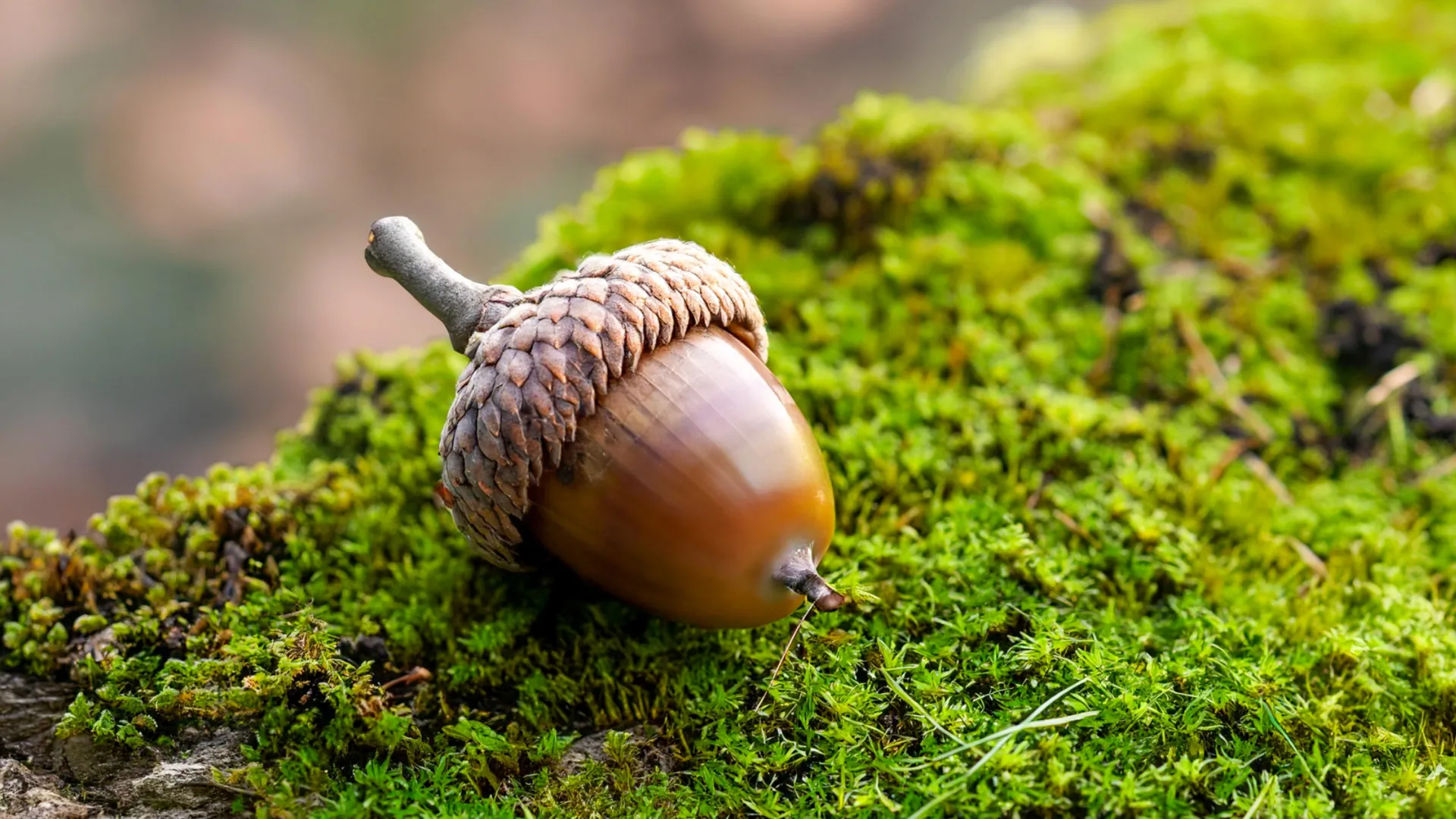
Oak trees periodically produce exceptionally large acorn crops, which let mouse populations expand the following year and support more young ticks. The researchers found a heavy acorn crop can reliably predict an increase in nymphal ticks two years later.
The study also found that mouse abundance does not consistently predict the share of ticks carrying the bacteria, because other hosts such as skunks, squirrels and opossums are less effective at passing it on. Observations in natural habitats also showed ticks surviving extreme heat and cold, likely by retreating into deeper soil or beneath fallen leaves.