Scientists uncover 3 key brain pathways linked to lasting depression relief
Researchers have uncovered three brain pathways linked to lasting improvements in people receiving deep brain stimulation for severe, treatment-resistant depression. They also discovered that patients who failed to improve after two years shared a striking pattern: insufficient stimulation of a crucial brain connection. The findings suggest that millimeters in electrode placement could make a major difference in…
Key points
- Mount Sinai researchers linked lasting depression relief from deep brain stimulation to three white matter pathways.
- Non-responders at two years showed a lack of stimulation engagement with the left cingulum bundle.
- The findings support connectome-based targeting, already used in the Abbott TRANSCEND clinical trial.
Scientists at Mount Sinai have identified three brain connections tied to long-term improvement in patients receiving deep brain stimulation (DBS) for severe depression that has not responded to conventional treatments. The research, published October 1 in the American Journal of Psychiatry, examined the largest group of patients assembled across multiple independent cohorts to date who received subcallosal cingulate deep brain stimulation (SCC DBS) for treatment-resistant depression.
The three pathways identified
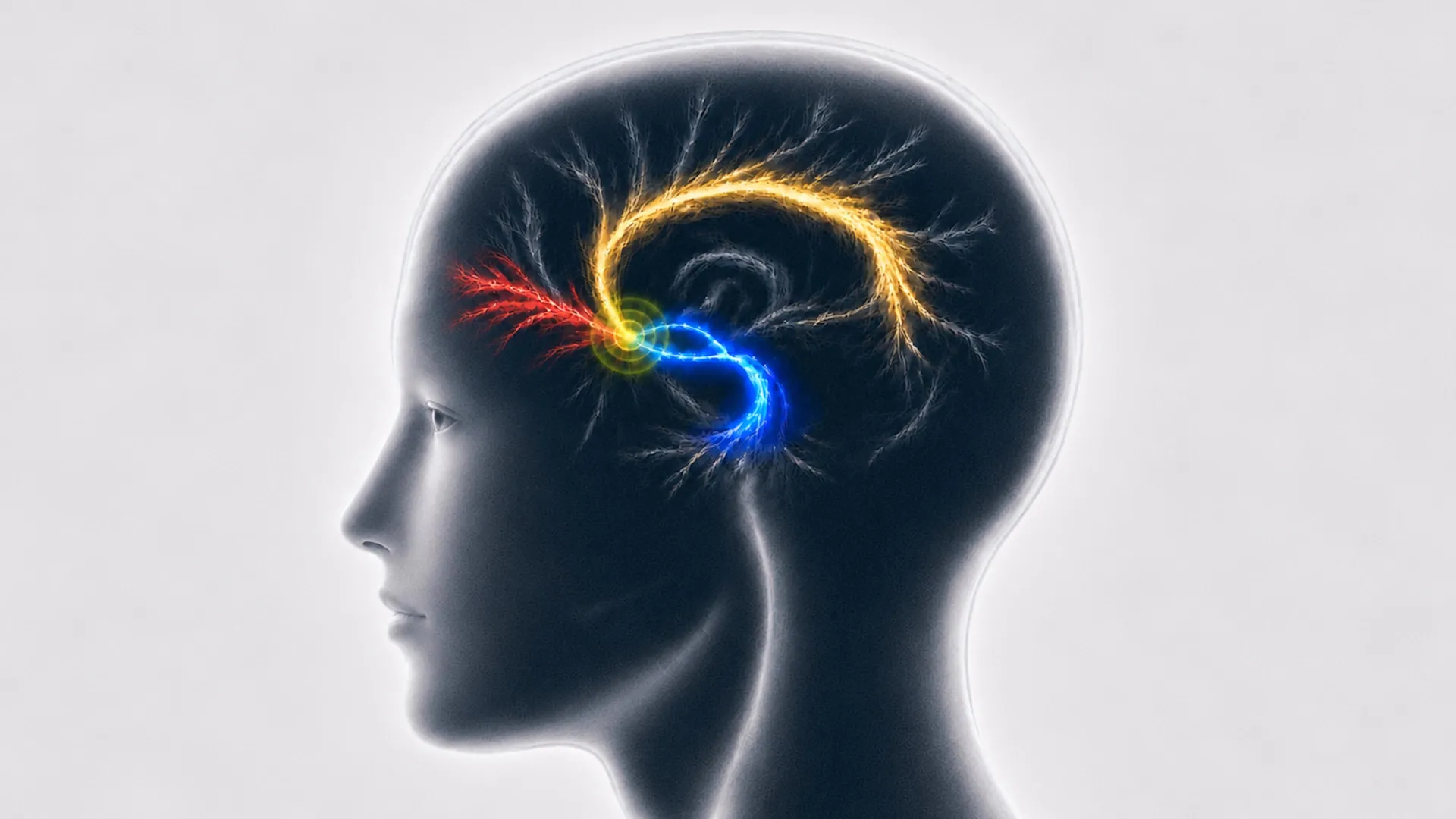
Lasting improvement was consistently associated with stimulation reaching the cingulum bundle, forceps minor, and medial uncinate fasciculus/ventral amygdalofugal pathways. The researchers used computer models of the electrical fields from implanted electrodes alongside brain connectivity maps to estimate which pathways were stimulated and compare patterns across patient groups.
Across study sites, patients who had not responded after two years showed a lack of stimulation engagement with the left cingulum bundle. The researchers did not test whether repositioning electrodes to reach this pathway would improve symptoms.
This study underscores the importance of individualized surgical targeting for achieving optimal outcomes with deep brain stimulation for depression
— Helen Mayberg, MD
What researchers said
The findings strengthen the case for connectome-based targeting, which uses detailed maps of brain connections to decide where electrodes are implanted rather than relying mainly on anatomical landmarks. This strategy has already helped shape the ongoing Abbott TRANSCEND clinical trial, a randomized, controlled study using individualized connectivity maps to guide SCC DBS.
The authors noted limitations, including that individual diffusion MRI scans were not available for every participant, so much of the analysis used generalized connectivity maps. They said further studies are needed to determine which patients are most likely to benefit and how stimulation should be adjusted over time.