The uranium cubes that exposed Nazi Germany’s nuclear failure
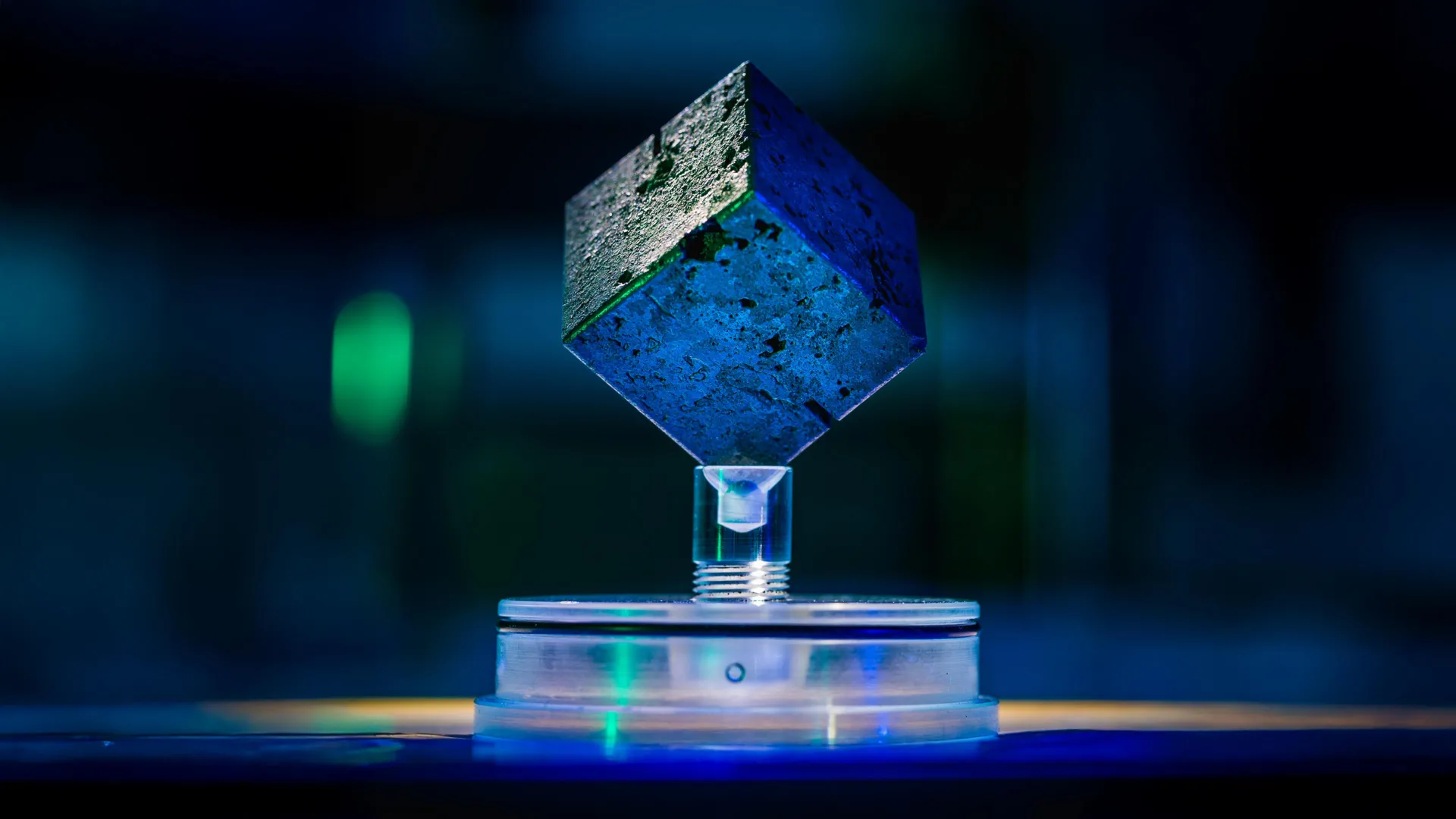
Scientists investigating Nazi Germany's secret nuclear program have uncovered evidence that its final experimental reactor was nowhere near as close to working as previously claimed. Analysis of surviving uranium cubes and wartime documents reveals that Germany lacked the enormous quantities of uranium and heavy water needed to make its reactor operational.
Key points
- New research finds Nazi Germany's final reactor needed about twice the uranium and heavy water it had.
- Allied bombing of Norway's Vemork plant in 1943 cut off Germany's heavy water supply.
- German graphite contained boron impurities, blocking an alternative to heavy water.
A new scientific investigation has found that Nazi Germany's nuclear program was far less advanced than its leading physicist, Werner Heisenberg, claimed. Researchers examined surviving uranium cubes and historical records to assess the B8 pile, Germany's final experimental reactor, built in 1945.
The study concludes the reactor would have needed roughly twice as much uranium and more than twice as much heavy water than it contained to sustain a nuclear chain reaction, quantities Germany could not obtain during the war.
Why heavy water mattered
Heavy water acts as a neutron moderator, slowing neutrons released during fission so they are more likely to trigger further reactions in uranium. Germany's only European source was the Norsk Hydro plant at Vemork, Norway, which Germany controlled after occupying Norway in April 1940.
Allied sabotage and bombing, including a major American raid on November 16, 1943, contributed to the end of heavy water production there. The B8 reactor, discovered and dismantled by American forces in 1945, never reached criticality, the point at which a chain reaction becomes self-sustaining.
The required quantities exceeded the materials available to Germany during the war.
— the researchers
Graphite was not an option
The researchers also considered whether Germany could have used graphite instead of heavy water, as American scientists did in 1942. Graphite in German-controlled territory contained impurities, including traces of boron, that absorbed neutrons and made it unsuitable.
The findings indicate Heisenberg underestimated the extra material his reactor required, and that Germany lacked the resources to make either a heavy water reactor or a graphite-based alternative operational.