TimeTeller puts our internal clocks at the center of personalized medicine
German startup TimeTeller has developed a saliva test kit to help anyone understand their circadian rhythm; it aims to reduce side effects from cancer treatments.
Key points
- TimeTeller, a German startup, has developed a saliva test to measure circadian rhythm for personalized medicine.
- CEO Angela Relógio cautions that the direct-to-consumer kit cannot determine optimal cancer treatment timing, which requires clinical studies.
- The startup has a reimbursement partnership with Techniker Krankenkasse and plans to expand it to more of the insurer's 12 million members.
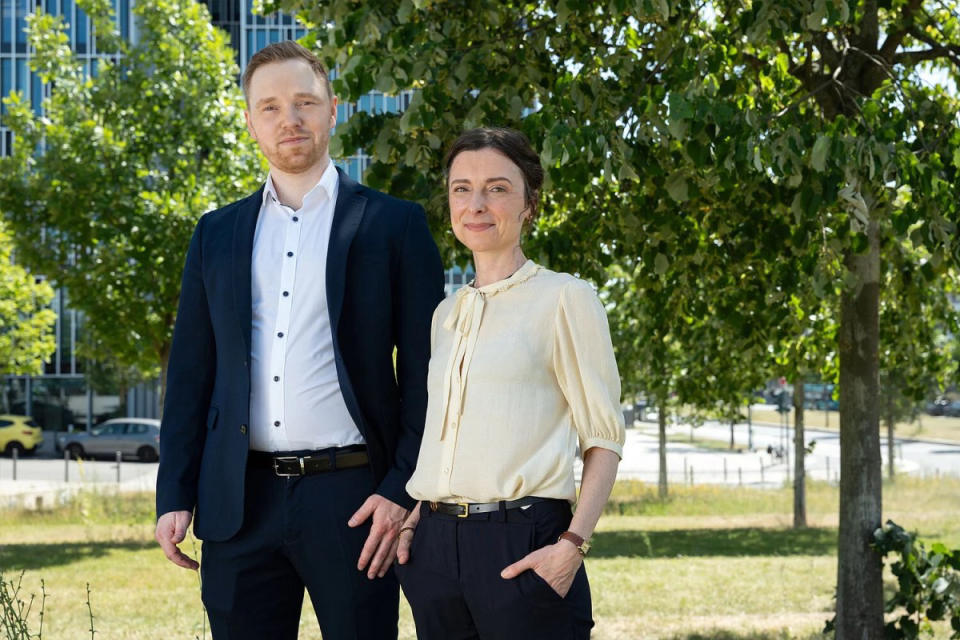
German startup TimeTeller has developed a saliva test kit to help individuals understand their circadian rhythm, with the goal of advancing personalized medicine. The company is led by CEO Angela Relógio, a physicist-engineer and molecular biologist who previously researched oncology and circadian biology in Germany.
Relógio emphasized that the direct-to-consumer kit has limitations. She noted that determining the best timing for cancer treatments requires clinical studies, and the kit is not intended for patients to make such decisions on their own.
Origins and mission
Relógio was inspired to found TimeTeller after observing that many cancer patients stopped or started treatment due to side effects. She believed that the timing of treatment could be a factor. This led her to develop the circadian rhythm test at the core of the company, and she personally funded its first patent.
The startup spun out of Berlin's Charité university hospital and later moved to Medical School Hamburg, which provided patient access and funding. It also offered backup employment for TimeTeller's team of 10 if the company couldn't pay them.
That is something that we need to calculate for every single medicine; we do that in the context of clinical studies.
— Angela Relógio
Partnership and future plans
TimeTeller has secured a partnership with Techniker Krankenkasse, one of Germany's largest health insurance providers. The collaboration began as a reimbursement deal covering the test for a subset of cancer patients, and both parties are now prepared to expand it to more of the insurer's 12 million members, according to Relógio.
While cancer is the core mission, TimeTeller could also apply to metabolic diseases like diabetes, neurodegenerative diseases such as Alzheimer's, performance, and women's health. Relógio spoke at TechCrunch Disrupt in San Francisco as part of the Startup Battlefield competition.