Too much RNA can starve cells of energy, scientists discover
Scientists have uncovered an unexpected danger lurking inside cells: too much RNA can damage the structures responsible for producing energy. A new study found that excess RNA, including the normally essential messenger RNA (mRNA), can directly disrupt mitochondria without relying on the immune system. The discovery could help explain how viral infections and certain aging-related diseases damage cells.
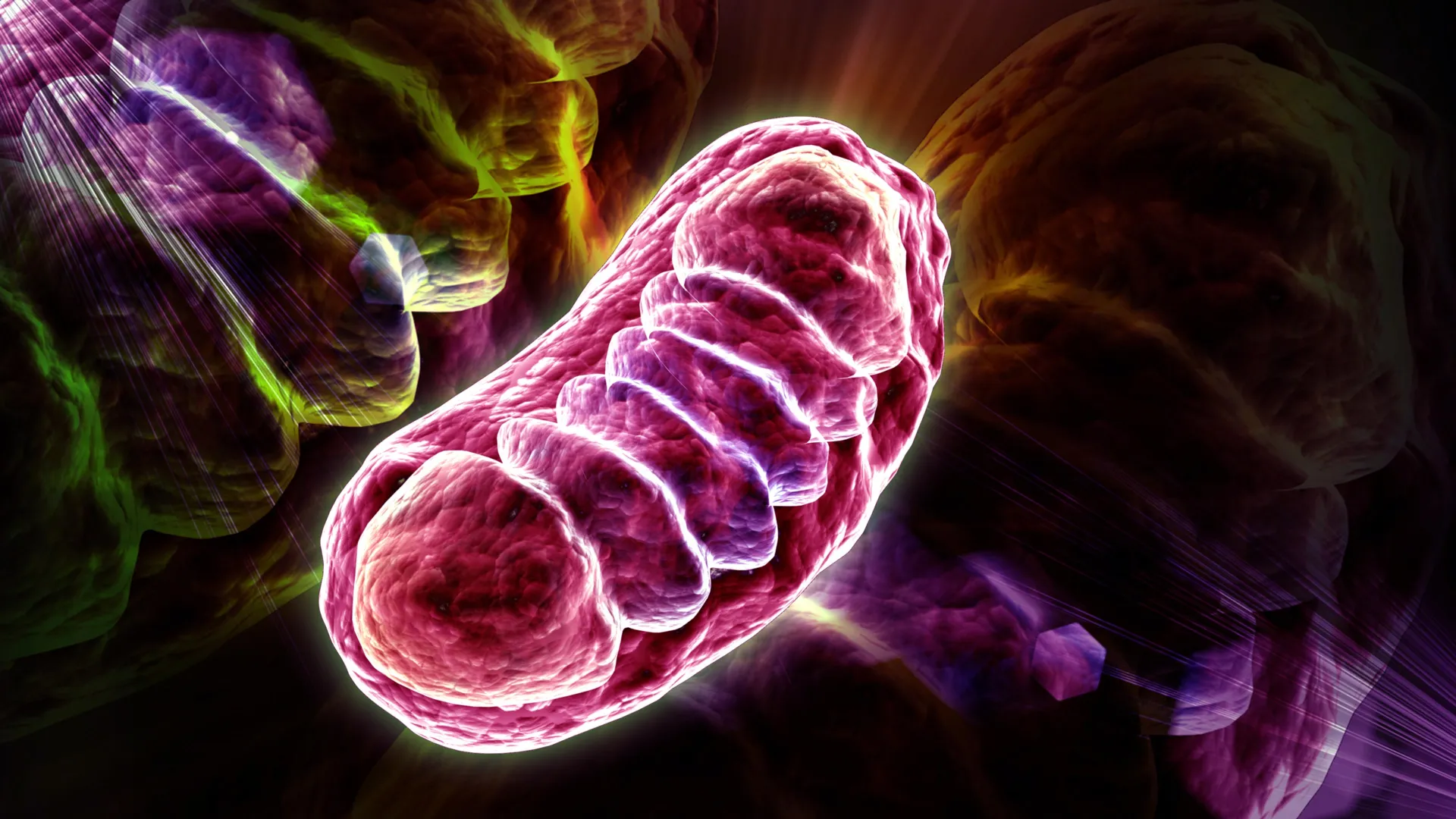
Key points
- Excess RNA during poxvirus infections can impair mitochondria and reduce cellular energy production.
- Experiments showed RNA damaged isolated mitochondria without requiring an immune response.
- Researchers suggest the finding may inform RNA-based therapies and vaccines, though no link to existing mRNA vaccines was established.
A study led by researchers at the Texas A&M College of Veterinary Medicine and Biomedical Sciences found that excess RNA produced during poxvirus infections can impair mitochondria, the structures that generate most of the energy cells need. The work was published in Proceedings of the National Academy of Sciences.
The researchers report that when RNA production outpaces the cell's ability to break it down, the buildup can interfere with mitochondria and lower energy production. The findings may also be relevant to aging-related diseases and RNA-based medical treatments, including mRNA vaccines.
Damage without an immune response
The team first suspected RNA was harming mitochondria indirectly by triggering the immune system. Experiments showed the damage did not require an immune response, and mitochondrial problems appeared before substantial immune activation.
Dr. Djamal Brahim Belhaouari, the study's first author, said the isolated mitochondria still showed damage when RNA was added. The precise mechanism is unclear, but the researchers proposed that negatively charged RNA accumulating near mitochondria may disturb the electrical balance needed for energy production.
When too much RNA builds up, including mRNA, it can damage the mitochondria and interfere with the cell's ability to produce energy.
— Dr. Zhilong Yang
What the findings could mean
Abnormal RNA accumulation has been observed in certain cancers, neurodegenerative diseases and disorders associated with aging, and the researchers suggest excess RNA may be one unrecognized source of mitochondrial stress. They say further studies are needed to determine how broadly the mechanism operates.
The study does not establish that existing mRNA vaccines cause mitochondrial damage in people. Dr. Zhilong Yang said understanding the mechanism could help researchers design and optimize future RNA-based therapeutics and vaccines.