Your aging brain may be trading memory for something more valuable
The aging brain may be undergoing a remarkable transformation rather than simply losing its abilities, shifting its focus from remembering details to understanding the bigger picture. Scientists suggest this change could be an evolutionary adaptation that helps older adults develop wisdom and share decades of knowledge with younger generations.
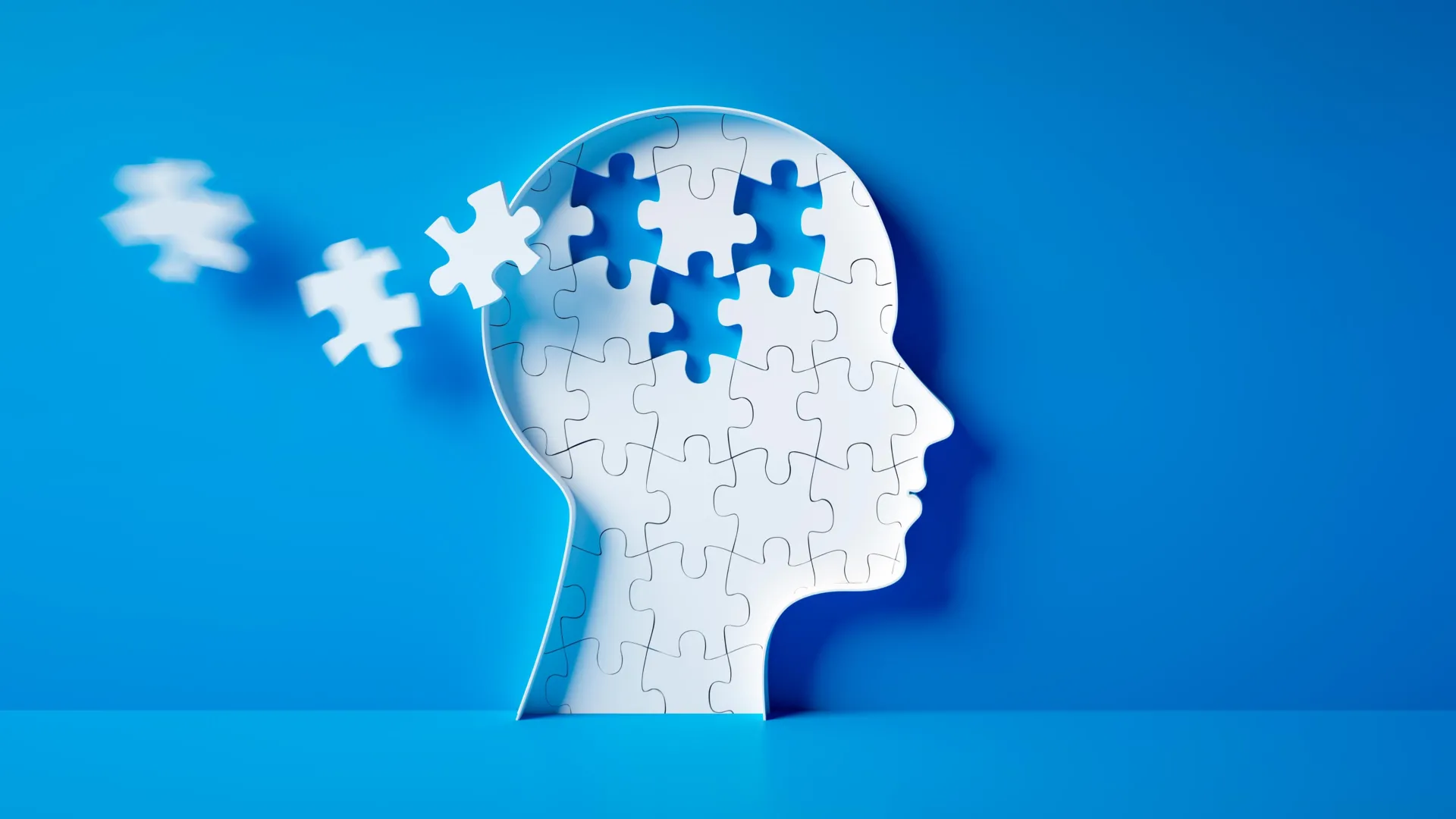
Key points
- University of Arizona researchers propose the adaptive aging hypothesis, which holds that older brains shift priorities toward sharing accumulated knowledge rather than storing precise details.
- Healthy aging moves reliance from the hippocampus toward the frontal cortex, a transition that generally unfolds between the fifth and seventh decades of life.
- The researchers say Alzheimer's disease is not an extreme form of normal aging, and in many cases the hippocampus becomes hyperactive rather than deemphasized.
Researchers at the University of Arizona have proposed a new explanation for how thinking and memory change with age, suggesting the older brain adapts to a new stage of life rather than simply declining. The work, published in Perspectives on Psychological Science, draws on molecular biology and brain imaging findings.
The team calls its explanation the adaptive aging hypothesis. It holds that the brain gradually adjusts its priorities to make better use of a lifetime of accumulated experience, which could help explain strengths older adults often show in teaching, mentoring and storytelling.
How the brain shifts
Two regions are central to how people remember and interpret experiences. The hippocampus helps preserve specific details and circumstances of events, while the frontal cortex extracts broader meaning and the central message, sometimes called the gist.
According to the researchers, healthy aging reduces emphasis on the hippocampus and increases reliance on the frontal cortex. This may let the brain interpret new information through existing knowledge instead of recording every experience in precise detail.
The older brain is optimized for different things than the younger brain, predominantly the sharing of stored expertise and social relationships.
— Fabian-Xosé Fernandez
Aging versus Alzheimer's
The researchers say the hypothesis offers another way to examine the difference between normal cognitive aging and Alzheimer's disease. Coauthor Fabian-Xosé Fernandez, an associate professor of cognition and neural systems, said the two involve fundamentally different biological processes.
In typical aging, hippocampal activation is deemphasized, but in many Alzheimer's cases the hippocampus is hyperactive, he said. The researchers also argue society should recognize the strengths that may become valuable later in life and create more opportunities for older and younger generations to exchange knowledge.