75,000-year-old Neanderthal may have been killed by a spear aimed at the heart
A Neanderthal who died 75,000 years ago may have been killed by a wooden spear deliberately aimed at the heart, revealing rare evidence of prehistoric violence. A circular hole in the shoulder blade suggests the weapon pierced the chest and caused a rapidly fatal injury. Surprisingly, the same individual had survived an earlier devastating facial injury, suggesting other Neanderthals provided care and support.
Key points
- A 75,000-year-old Neanderthal shoulder blade from Shanidar Cave has a 15mm circular hole likely made by a wooden spear.
- Researchers say the wound may be the oldest evidence of fatal interpersonal violence involving a wooden spear.
- The same individual survived a severe facial injury earlier in life, suggesting care from other Neanderthals.
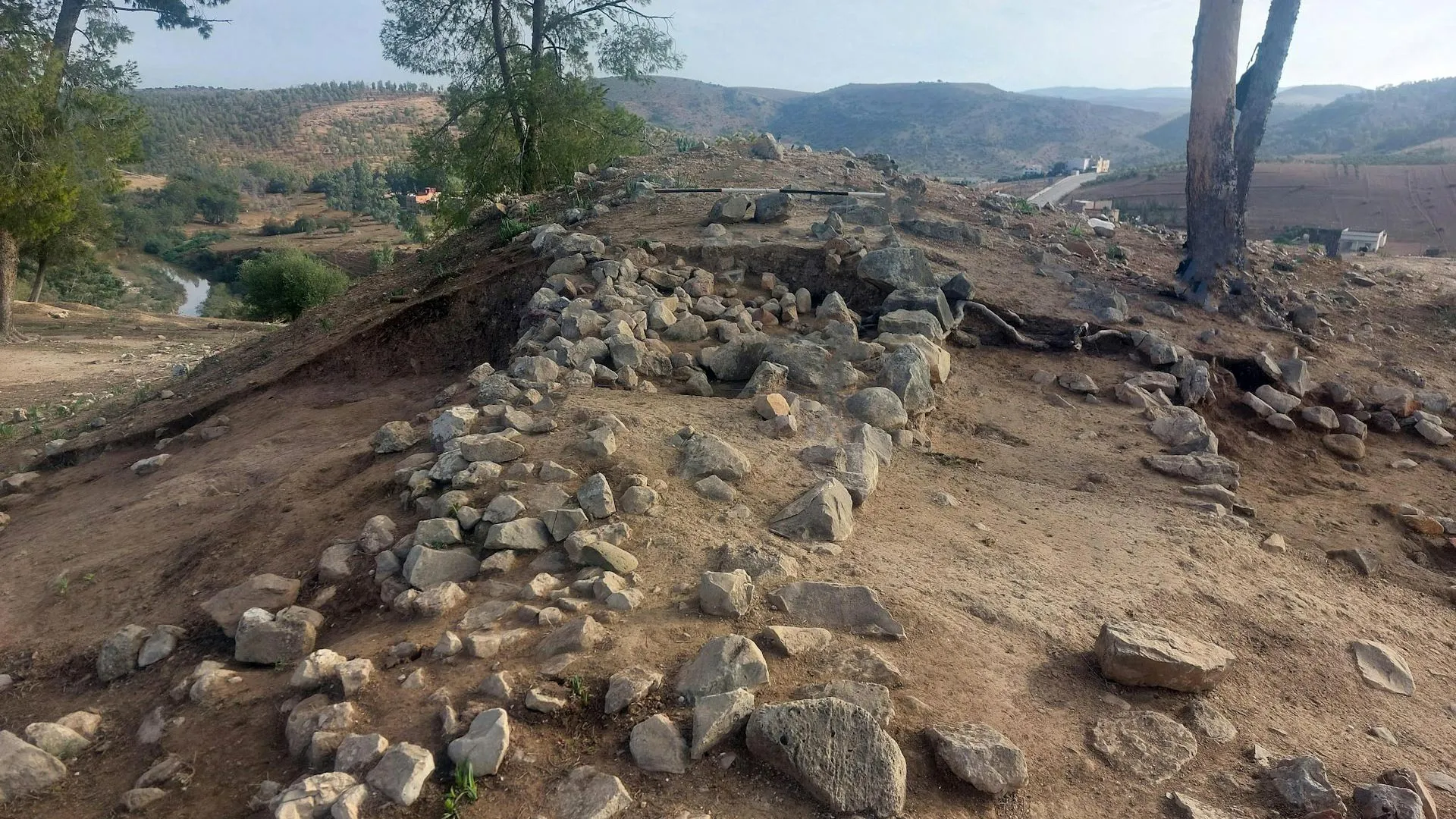
A 75,000-year-old Neanderthal shoulder blade found in a cave in Iraqi Kurdistan has a small, circular hole that researchers believe was made by a sharpened wooden spear. The injury may be the oldest evidence in the hominin fossil record of fatal interpersonal violence involving a wooden spear, according to a study published in Scientific Reports.
Archaeologists from the University of Cambridge led the excavation of the bone, which survived beneath seven and a half meters of rock and sediment. The remains have been named Shanidar A after the cave where they were uncovered.
Details of the injury
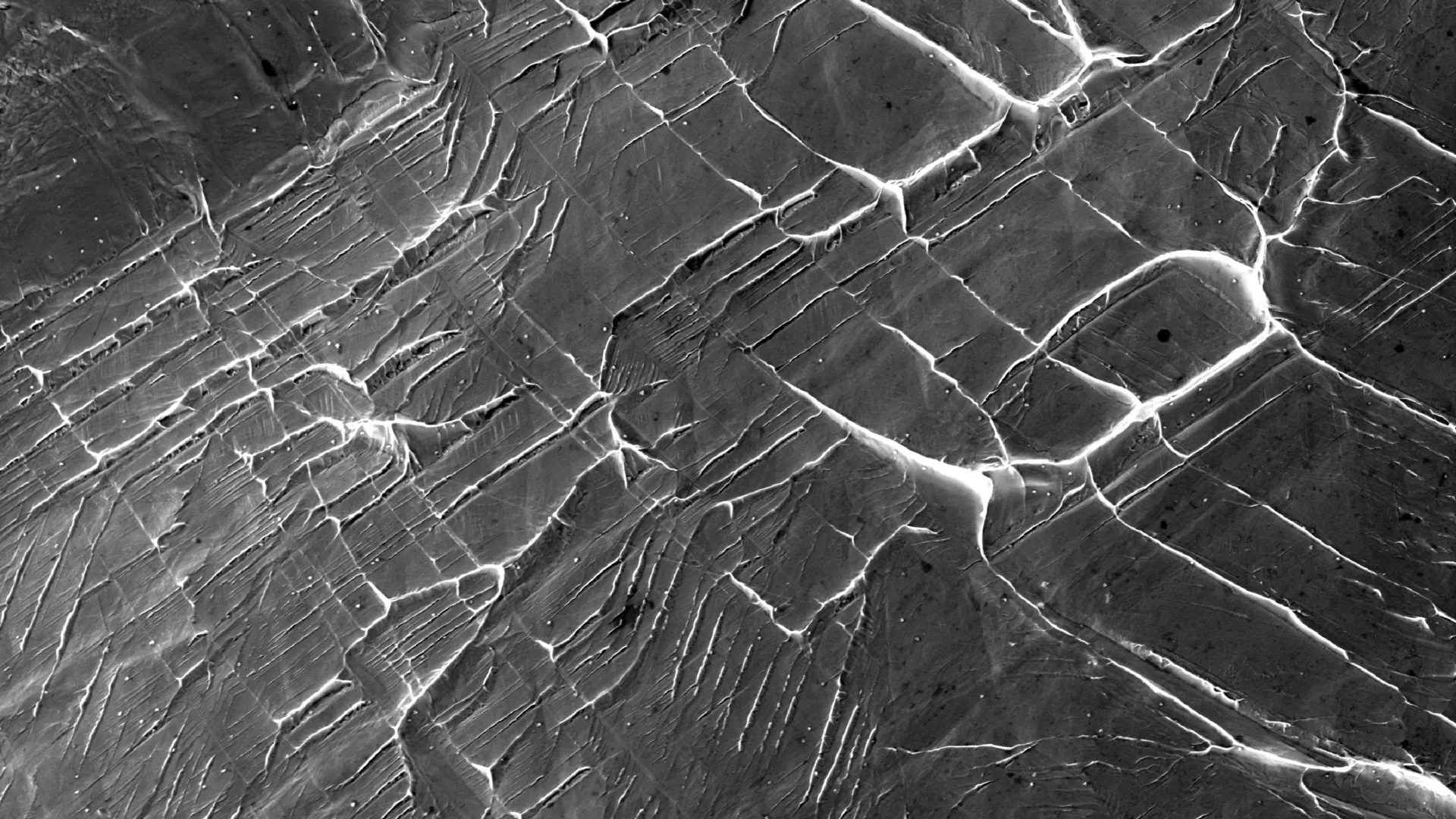
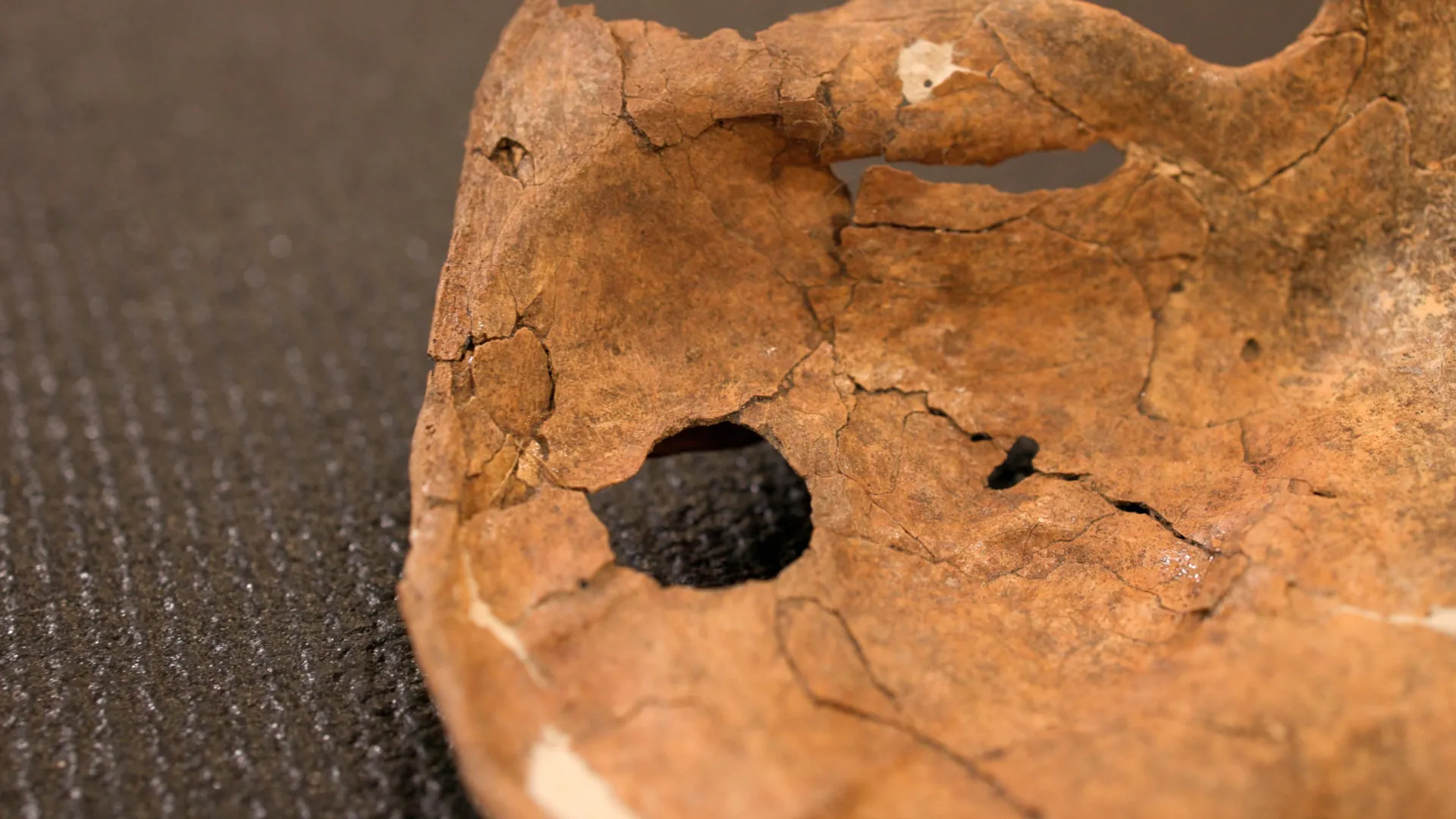
The hole measures 15 millimeters across and has beveled edges, a feature commonly associated with an exit wound. Researchers reconstructed the injury and concluded that the spear entered the front of the left chest, passed through a lung and probably major blood vessels, and pierced the shoulder blade from behind. Such an injury would have caused rapid death.
The rounded shape of the hole suggests a wooden point rather than a flint or stone tip, which generally produces flatter or more angular edges. Small bone fragments displaced during impact indicate the weapon entered from above and traveled downward. The researchers suspect the blow may have been an intentional heart shot.
The position of the wound and the force required to push it right through the Neanderthal's body bear the hallmarks of an intended kill shot directed towards the heart.
— Dr. Emma Pomeroy
Care before a violent end
The remains include a nearly complete right hand, ribs, and seven teeth. One lower incisor had been split vertically, likely from a powerful blow to the face. Tartar buildup on the exposed root canal indicates the damaged tooth remained in the mouth for an extended period, suggesting Shanidar A survived the trauma and received care.
Dr. Emma Pomeroy said surviving such an injury would have required support from other Neanderthals. She noted the remains reflect both a terribly violent end and an individual who was cared for during their lifetime.