Breakthrough PTSD treatment achieves 68% remission rate in clinical trial
A newly FDA-cleared PTSD treatment uses personalized brain mapping and magnetic stimulation to target abnormal brain activity, with a clinical trial reporting a 52% reduction in symptoms and 68% remission. Researchers believe the technology could transform PTSD care and pave the way for more precise treatments for other mental health conditions.
Key points
- Wave Neuroscience's MeRT system received FDA clearance for PTSD after a trial showed 52% symptom reduction and 68% remission.
- The personalized brain stimulation treatment uses EEG and AI to tailor magnetic pulses to each patient's brain activity.
- About 7% of U.S. veterans are diagnosed with PTSD annually, and 17.5 veterans die by suicide each day.
A new personalized brain stimulation treatment for post-traumatic stress disorder (PTSD) has received FDA clearance, developer Wave Neuroscience announced. The California company worked with researchers at the Texas A&M Health Institute of Biosciences and Technology on the technology, which uses brain activity measurements to guide targeted magnetic stimulation.
In early clinical trial findings reported by the company, patients saw a 52% reduction in PTSD symptoms and 68% achieved remission. The full results are still being prepared for public release. The company says the approach could expand options for people who have not found enough relief from existing treatments.
How the treatment works
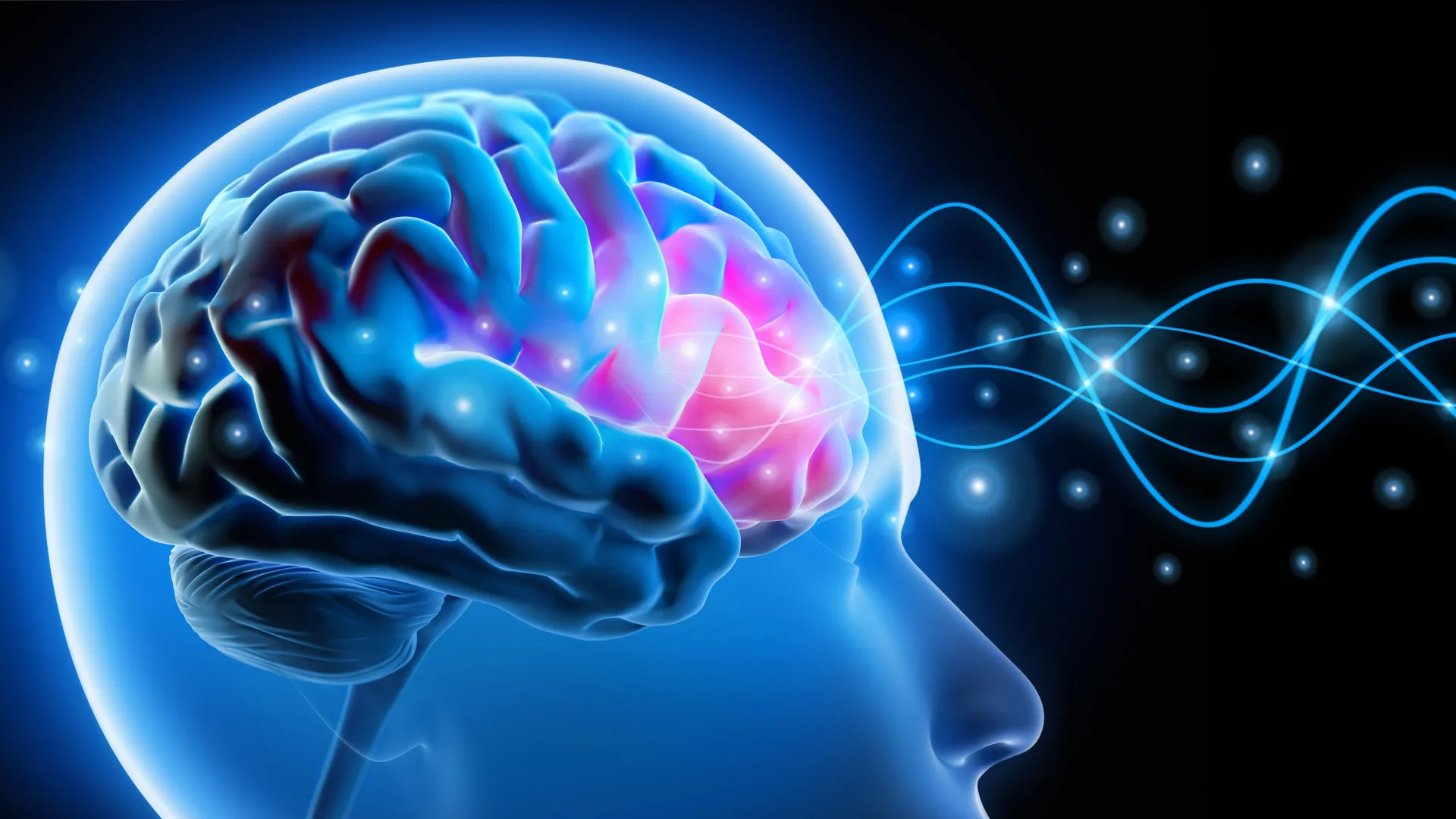
The system uses Magnetic e-Resonance Therapy (MeRT), which combines electroencephalogram (EEG) recordings of brain electrical signals with transcranial magnetic stimulation (TMS). A coil placed against the scalp delivers magnetic pulses to stimulate brain activity.
What sets MeRT apart is an AI-assisted algorithm that customizes stimulation protocols to each patient's brain activity rather than using a standardized approach. In the trial, participants received five sessions per week over five to six weeks, and researchers reported that improvements appeared to persist after treatment ended.
In comparison to that study, our FDA trial reported a 52% reduction in symptoms, so more than a four-fold increase in efficacy
— Erik Won
Comparison with existing care
PTSD treatment has largely relied on psychotherapy and SSRI medications such as sertraline and fluoxetine since the diagnosis was formally recognized in 1980. A 2020 review of PTSD medications found remission rates reached only 10.9% at most.
Erik Won, chief medical officer of Wave Neuroscience, said the trial results represent a major advance. "In comparison to that study, our FDA trial reported a 52% reduction in symptoms, so more than a four-fold increase in efficacy," he said. The article notes the results come from different studies and should not be interpreted as a direct comparison of treatment effectiveness.