Do spiders dream? Scientists just found a surprising clue
Scientists have discovered that spiders may sleep in ways surprisingly similar to humans, complete with distinct sleep stages and a dream-like REM state. Researchers at the University of Bonn studied the Australian jumping spider Portia fimbriata, a remarkably clever hunter known for its sophisticated strategies. By recording the spiders over several days and nights, they found clear evidence of regulated sleep…
Key points
- University of Bonn scientists found that Australian jumping spiders have two sleep stages, including a REM-like state.
- The REM-like stage involves eye movements and muscle twitches, but does not prove that spiders dream.
- Researchers used infrared cameras, sound tests and sleep deprivation to confirm genuine, regulated sleep.
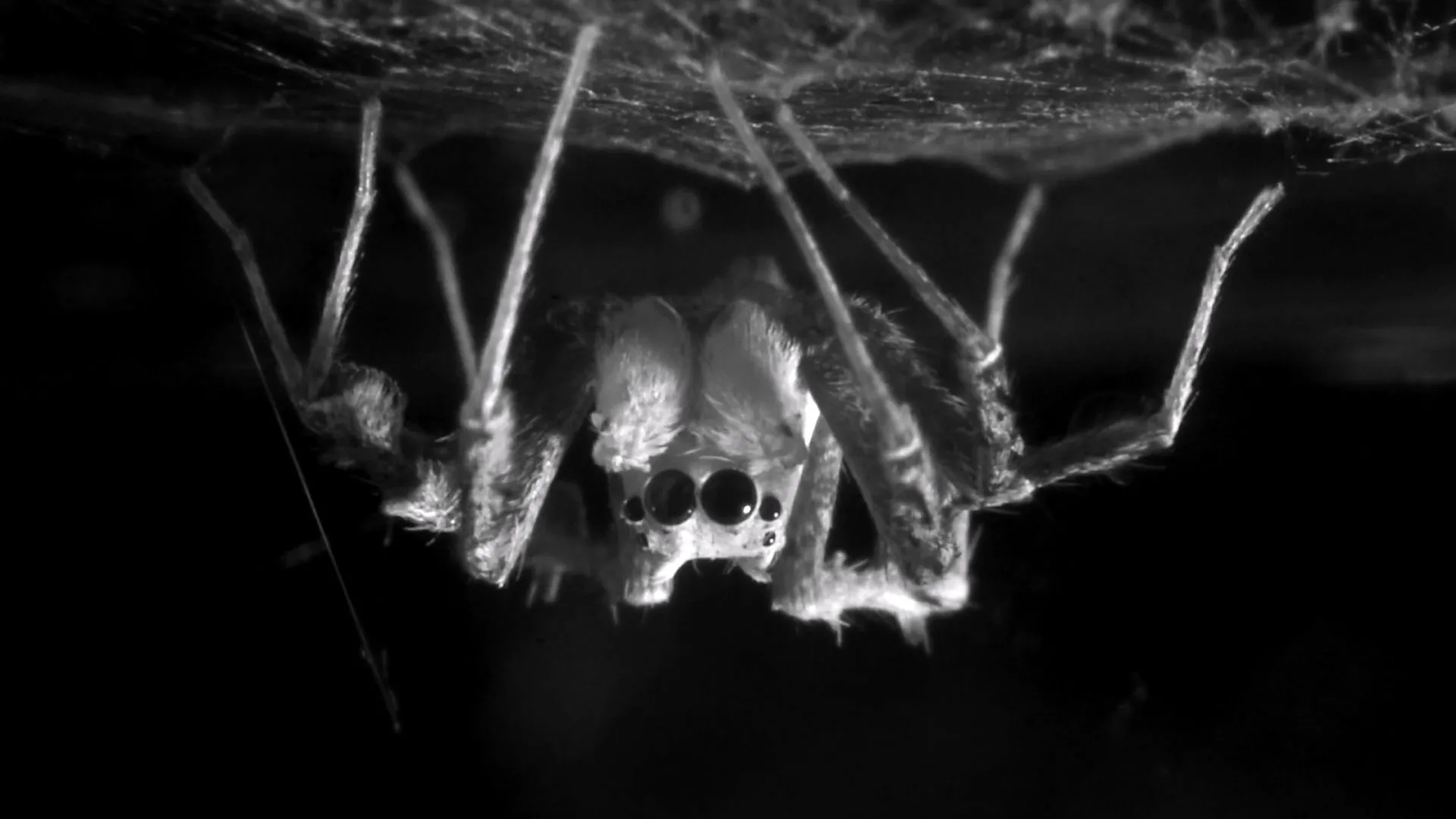
Scientists at the University of Bonn have discovered that spiders experience distinct stages of sleep, including a REM-like state with similarities to human sleep. The researchers studied the Australian jumping spider Portia fimbriata, a small predator that hunts other spiders using deceptive signals.
The findings provide the first comprehensive experimental confirmation that spiders experience genuine, regulated sleep rather than simply remaining inactive, according to the article. The discovery raises questions about how sleep evolved and whether animals with very different nervous systems share fundamental sleep features.
How the study was conducted
The team placed individual spiders in plastic dishes 12 centimeters in diameter and monitored them under different lighting conditions. Infrared cameras recorded the spiders throughout the night without visible light, capturing sleeping positions, quiet rest and episodes of REM-like movement.
Researchers used sound stimuli to measure how quickly spiders responded to disturbances, distinguishing sleep from inactivity. They also tested sleep deprivation to see whether the spiders showed sleep rebound, compensating for interrupted sleep by sleeping more afterward.
A major limitation was that the researchers could not measure brain activity and relied entirely on documented behavior. They also had to identify a sound stimulus that produced a consistent response and avoid assuming the movements represented the same processes as human REM sleep.
What the findings suggest
The researchers emphasize that identifying REM-like movements does not establish whether spiders dream. However, the discovery provides evidence that sleep in these animals is more complex than previously understood.
The team is expanding its research to investigate how sleep varies across spider species and is comparing spiders in natural environments with those in laboratories. Future work will examine the relationship between sleep and cognitive abilities, and how climate change and artificial light at night may interfere with the sleep patterns of spiders and other arthropods.