Cambridge scientists create a $10 chip that could put a medical lab on your wrist
Cambridge researchers have created a groundbreaking $10 optical sensor that delivers the precision of laboratory equipment in a device small enough for wearable technology. It identified foods, plastics, and medicines with 100% accuracy in tests and demonstrated the ability to monitor blood glucose, alcohol, and other health markers without invasive procedures.
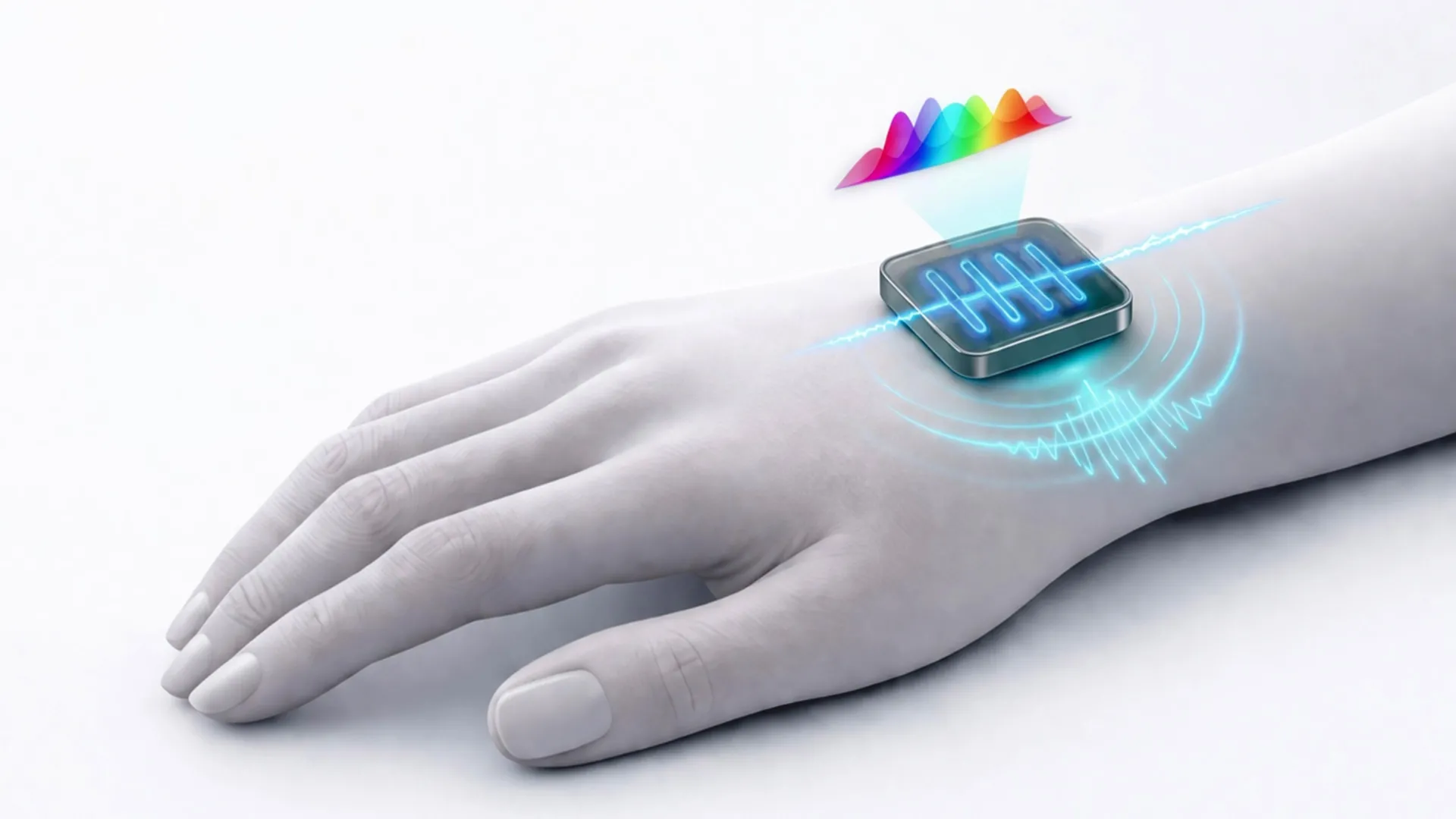
Key points
- Cambridge researchers and GlitterinTech developed a $10 optical spectrometer measuring just centimeters across.
- The device identified plastics, pharmaceuticals, coffee, flour and tea with a 100% classification success rate.
- It measured skin moisture, blood alcohol, blood lactate and blood glucose, and tracked glucose noninvasively in one participant.
Researchers at the University of Cambridge and GlitterinTech, a start-up founded by the same research group, have developed an optical spectrometer that costs about $10 and measures just centimeters across. The device could be built into portable electronics and wearable health technology, with possible uses in health monitoring, food testing, industrial quality control and environmental monitoring.
The work was led by Prof. Qixiang Cheng, with Dr. Chunhui Yao as a lead author of the study. The team says the design delivers precision that rivals or exceeds much larger instruments.
How the sensor works
Traditional compact spectrometers often have limited measurement ranges, reduced resolution or lower accuracy. The new design, called a convolutional spectrometer, performs a mathematical operation called convolution directly on incoming light using optical components with repeating spectral responses arranged in sequence.
The device is built on a silicon nitride photonic platform with onboard electronics. It operates across near-infrared wavelengths of 1200-1700 nm and can collect and process measurements in less than a second, according to the researchers.
Our vision is to make spectrometry as ubiquitous as temperature or motion sensing
— Prof. Qixiang Cheng
Test results and durability
In reported tests, the spectrometer achieved a 100% classification success rate when identifying plastics, pharmaceuticals, coffee, flour and tea. It measured concentrations in water-based and organic solutions with accuracies of approximately 0.01%, exceeding commercial benchtop spectrometers in those experiments.
The device also measured skin moisture, blood alcohol, blood lactate and blood glucose, and demonstrated noninvasive glucose tracking over an extended period in one participant. It continued operating reliably between -20°C and 80°C. The researchers say further testing would be needed before it could become a practical medical product.