Dental implants can hijack your immune system, scientists discover
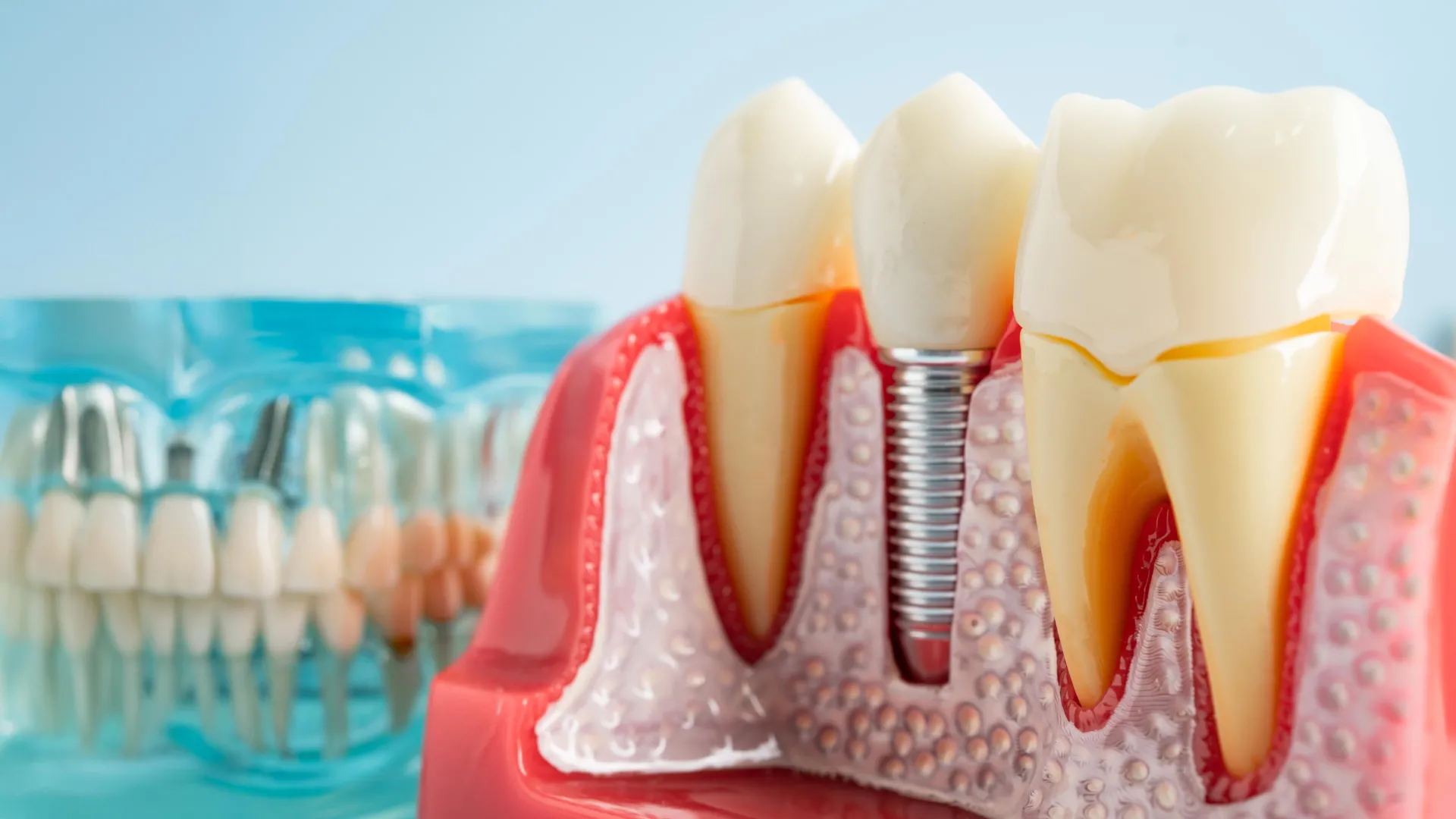
Researchers have uncovered a surprising reason dental implant infections often resist antibiotics: the implants themselves can contribute to the problem. Bacteria corrode titanium implants, releasing microscopic particles that hijack immune cells, trigger destructive inflammation, and accelerate jawbone loss.
Key points
- Rutgers researchers found that corroded dental implants release titanium particles that trap immune cells in inflammation.
- Disabling a calcium channel called TRPC1 in mice prevented the bone-destroying disease process.
- Peri-implantitis affects an estimated 10% to 20% of implant patients and costs over $1 billion annually worldwide.
Scientists at the Rutgers School of Dental Medicine say they have identified why infections around dental implants resist antibiotics. A study published in PNAS Nexus reports that bacteria can gradually corrode titanium implants, releasing microscopic metal particles into nearby tissue. These particles interfere with the immune cells that fight infection, trapping them in excessive inflammation that destroys jawbone.
The condition, peri-implantitis, affects an estimated 10% to 20% of implant patients and costs healthcare systems worldwide more than $1 billion annually. Antibiotics resolve infections around natural teeth but succeed in fewer than half of cases around implants, the article states.
How titanium disrupts immune cells
The researchers examined human tissue samples, studied human immune cells in the laboratory and ran experiments in genetically engineered mice. They found that acidic biofilms on implant surfaces slowly damage the titanium, releasing billions of particles smaller than a red blood cell. Particles can also be dislodged when instruments made for natural teeth are used on implants.
Once in the gums, the fragments attract a bacterial toxin called lipopolysaccharide, making them look like oversized bacteria. Macrophages try to consume the particles but cannot digest titanium, so they stay in a prolonged inflammatory state and become less able to clear bacteria. In lab experiments, macrophages exposed to titanium engulfed fewer than half as many bacteria as unexposed cells.
For the first time, we show why all the antibiotic treatments that work around teeth do not work around implants.
— Georgios Kotsakis
A possible drug target
The team traced the damaging reaction to TRPC1, a calcium channel in macrophages. Mice engineered without TRPC1 developed much smaller abscesses, produced fewer inflammatory molecules and regained the ability to clear bacteria. With funding from the National Institutes of Health, the researchers are now evaluating drugs that act on the same pathway in human cells.
The study also notes that regular professional cleaning remains the strongest known protection against peri-implantitis, and that nonabrasive cleaning methods have become standard practice in the past decade.