From the front row to the hot seat — what the midterms mean for Big Tech
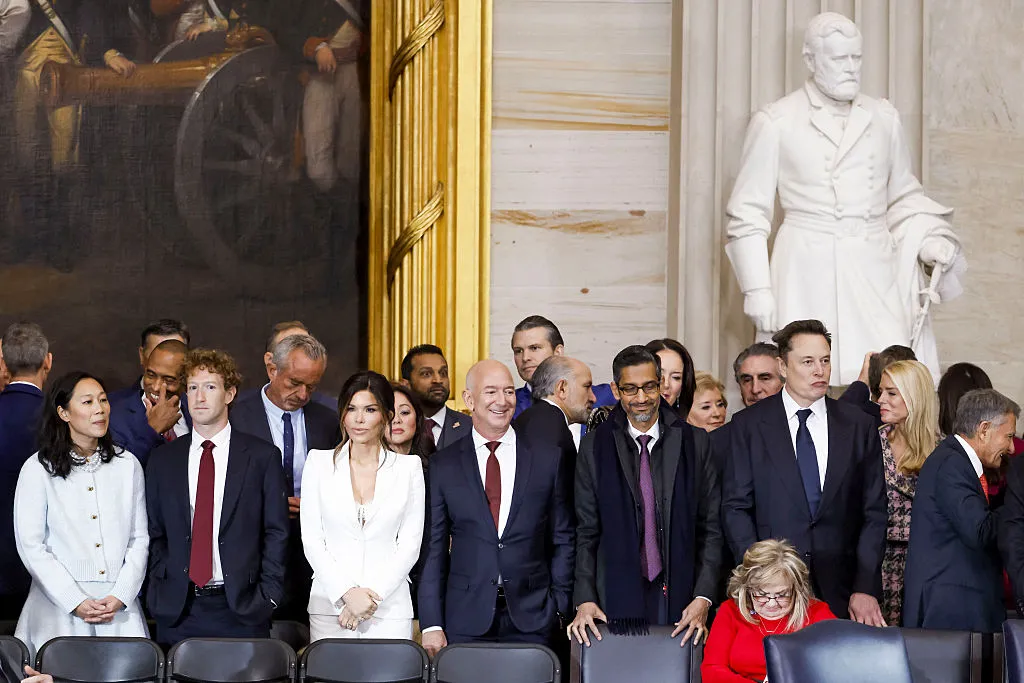
After spending two years getting cozy with the White House, Big Tech is suddenly trying to make friends with Democrats, and the open question is whether that image makeover can hold up against what states, local communities, and the markets are about to do.
Key points
- Big Tech firms that built ties with Trump are now rebuilding relationships with Democrats after midterm gains.
- Public Citizen's J.B. Branch called hires and rebranding like OpenAI's 'PR washing.'
- Analysts expect most AI regulation to come from states rather than Washington.
After midterm elections shifted the balance of power in Washington, major tech companies are working to rebuild ties with Democrats, who have pledged to tighten oversight of AI and Big Tech. For the past two years, many Silicon Valley names had built closer relationships with President Donald Trump and his administration, benefiting from tax breaks, paused federal investigations and looser AI regulation, according to the article.
Just before the midterms, OpenAI hired Jessica Schumer, daughter of Democratic Sen. Chuck Schumer, and said it would begin calling its data centers "compute campuses." Meta and other companies reportedly began seeking ways to strengthen Democratic ties as Democratic gains looked more likely.
Critics call it PR washing
J.B. Branch, director of federal AI governance and technology policy at Public Citizen, told TechCrunch the industry "realizes they have an optics problem" and described moves like the Schumer hire and rebranding as "PR washing." He pointed to OpenAI's partnership with the American Federation of Teachers, Anthropic's Claude Corps and Meta's America's Workforce Academy as similar efforts.
Alice Marwick, director of research at Data & Society, said she expects Big Tech to pivot back toward the middle, "if not the left. But it's a little too late." Meta President Dina Powell McCormick said at WSJ Tech that companies must work with whoever Americans elect and "have to be bipartisan."
You have to work with the government that the American people elect.
— Dina Powell McCormick
Where the fights may happen
Aryan Ranjan, founder of campaign software company Baraza, told TechCrunch most action will likely occur at the state level, since states have already sued tech companies and passed regulations. He said a coalition built on newer, working-class voters may push Democrats to frame AI around electricity bills, data-center siting and jobs rather than abstract AI safety.
Data center moratoriums are gaining traction and a wave of AI regulation bills awaits drafting. Last December, the Trump administration signed an executive order creating the AI Litigation Task Force to challenge state AI laws. A White House official said Trump is committed to ensuring America leads in super intelligence while protecting consumers.