How the US midterm elections reflected resistance to data centres
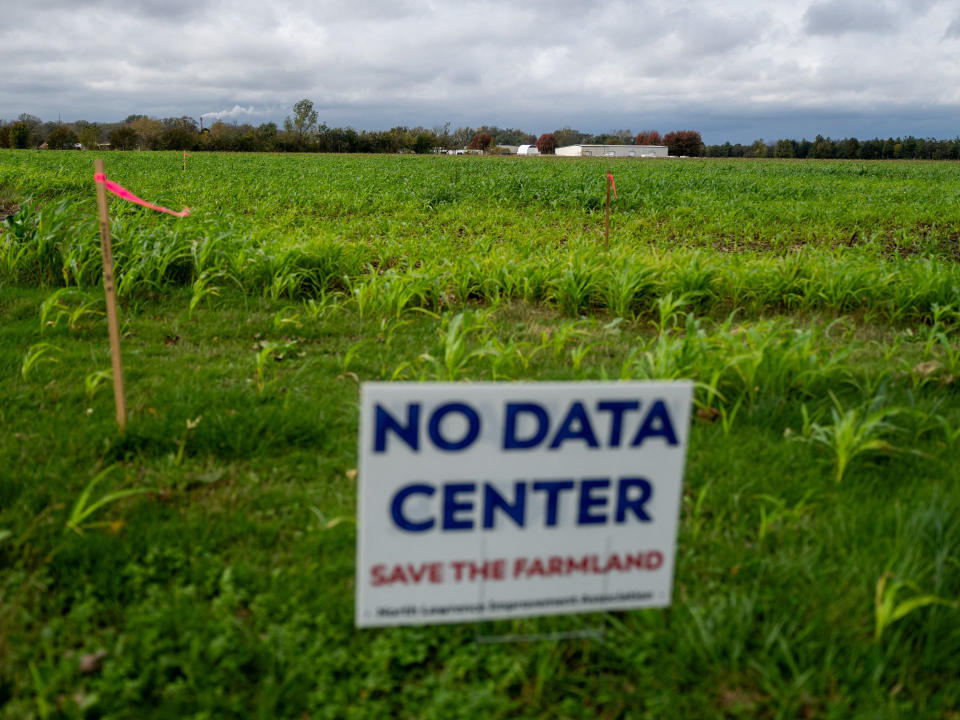
Voters rejected data centre development in all but one of the 41 measures addressing the issue in Tuesday's midterms.
Key points
- Voters were on track to reject data centre development in all but one of 41 ballot measures in Tuesday's midterms.
- Only Harwood, North Dakota, voted against limits on large industrial projects like data centres.
- Democrats Sherrod Brown, Gina Hinojosa, James Talarico and Abdul El-Sayed won races after campaigning on data centre and AI regulation.
Voters in Tuesday's US midterm elections were on track to reject data centre development in all but one of 41 ballot measures held across the country, according to Data Centers on the Ballot, an election-monitoring project run by Redbud Consulting. Two races are still being counted but are expected to produce majorities to reject or limit data centres.
The only measure defeated was in Harwood, North Dakota, a town of fewer than 800 people. It would have required independent reviews of large industrial projects such as data centres before construction.
Costs and AI fears
Experts say the data centre debate has become bipartisan, tied to cost-of-living concerns and fears over job stability. Bhaskar Chakravorti, dean of global business at Tufts University, told Al Jazeera that people worry about their jobs and see data centres being built "in their back yards".
Data centres use large amounts of water and energy, which critics say can raise electricity costs for nearby communities. A 2026 working paper from the Federal Reserve Bank of Dallas estimated that wholesale electricity prices had risen by 6.9 percent as a result of data centres as of last year.
The unchecked acceleration of AI development has been causing concern across the board
— Bhaskar Chakravorti
Candidates and Congress
Several candidates made AI and data centre development central to their campaigns. Democrat Sherrod Brown flipped a key Senate seat in Ohio, which had 21 of the 47 referendums and measures held nationwide. In Texas, Democrat Gina Hinojosa defeated incumbent Greg Abbott in the governor's race after calling for a moratorium on new data centre approvals, and Senator-elect James Talarico won with a pledge to increase data centre regulation.
With Democrats poised to control both chambers of Congress, the AI industry is likely to face more scrutiny. Senator Ed Markey of Massachusetts wrote on X that "They are going to need to plant new forests for all of the subpoenas we'll be printing." After the election, OpenAI published a framework pledging to "prioritize closed-loop or low-water cooling" and to "pay our own way on energy and infrastructure".